01Established
Land & water
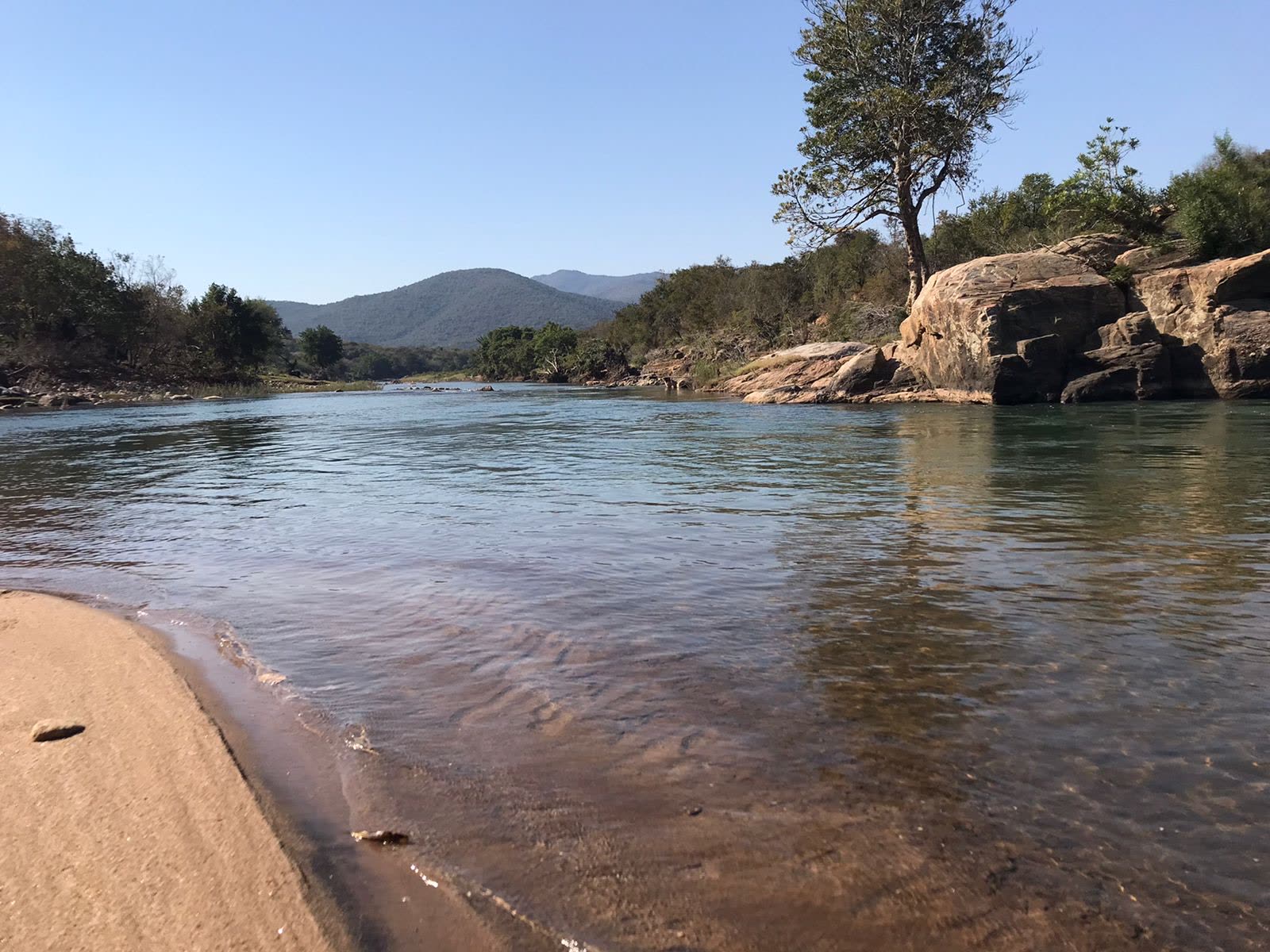
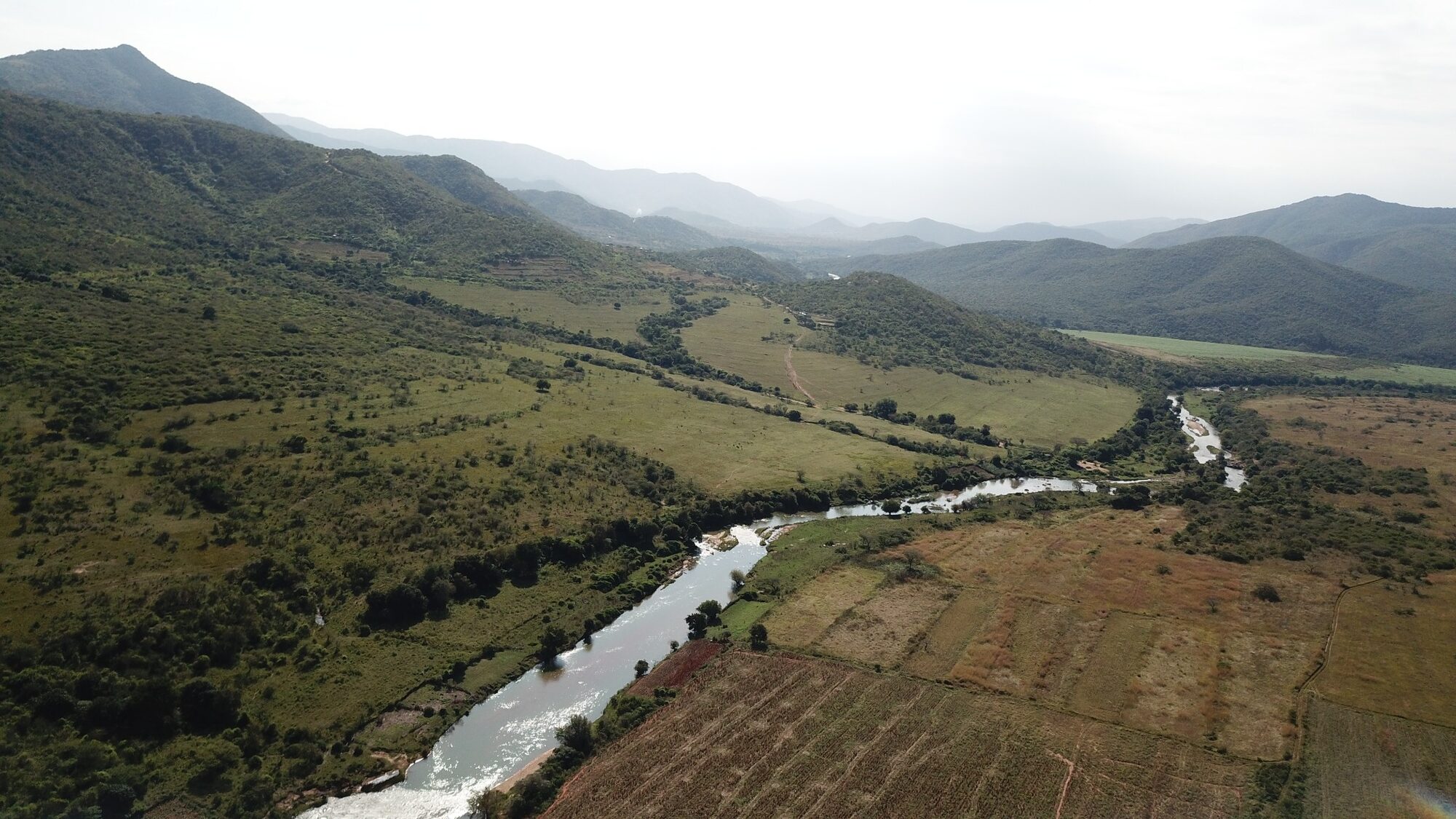
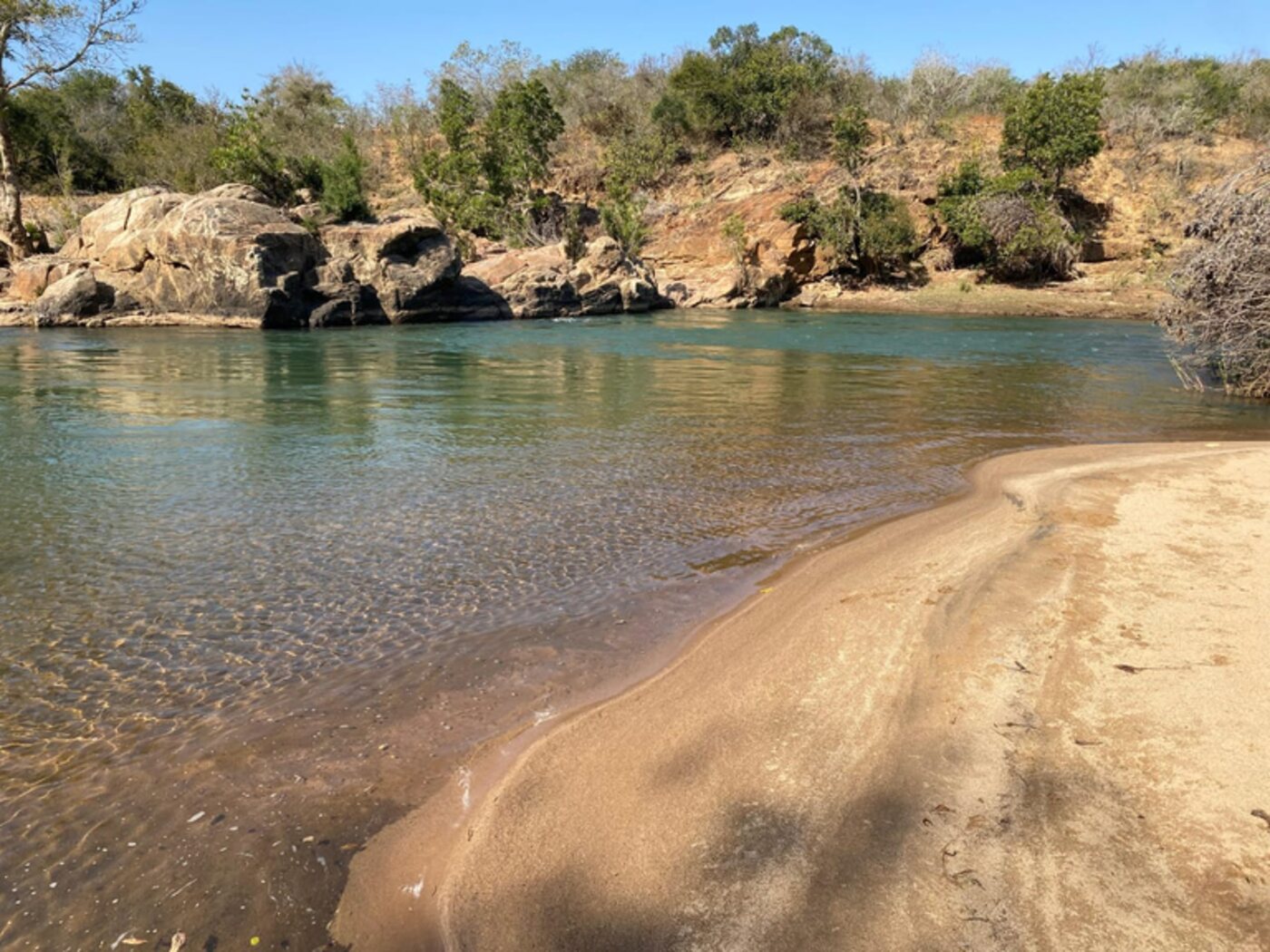
The farm, secure growing areas and reliable local water source form the operating base.
 Grand Valley FarmFarm 588 · EswatiniExplore the estate ↗
Commercial coffee estate · Eswatini
Grand Valley Farm is establishing a long-term coffee estate—from nursery propagation and field planting to future harvesting, processing and sale.
Explore the estate ↓ Rooted here.
Coffee is the core business
Grand Valley Farm 588 is a coffee-led agricultural development in the Kingdom of Eswatini. The central objective is clear: establish coffee in the field at meaningful commercial scale, build the systems required to manage it well and create a traceable crop with enduring productive value.
The work begins long before the first harvest. Water, land preparation, planting material, field layout, people and infrastructure are being developed as one connected production system.
The farm, secure growing areas and reliable local water source form the operating base.
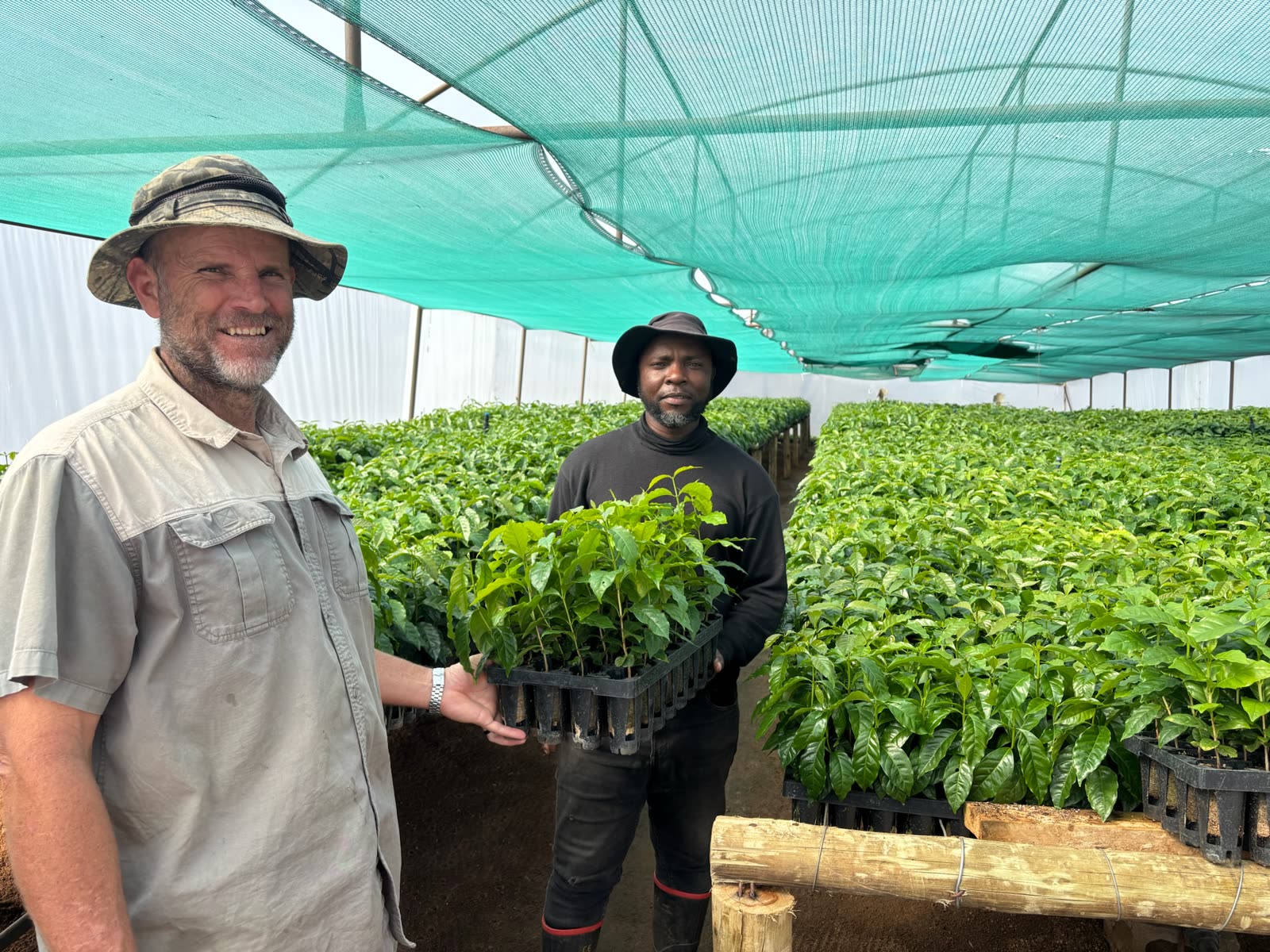
An on-farm nursery produces consistent, traceable planting material for estate expansion.
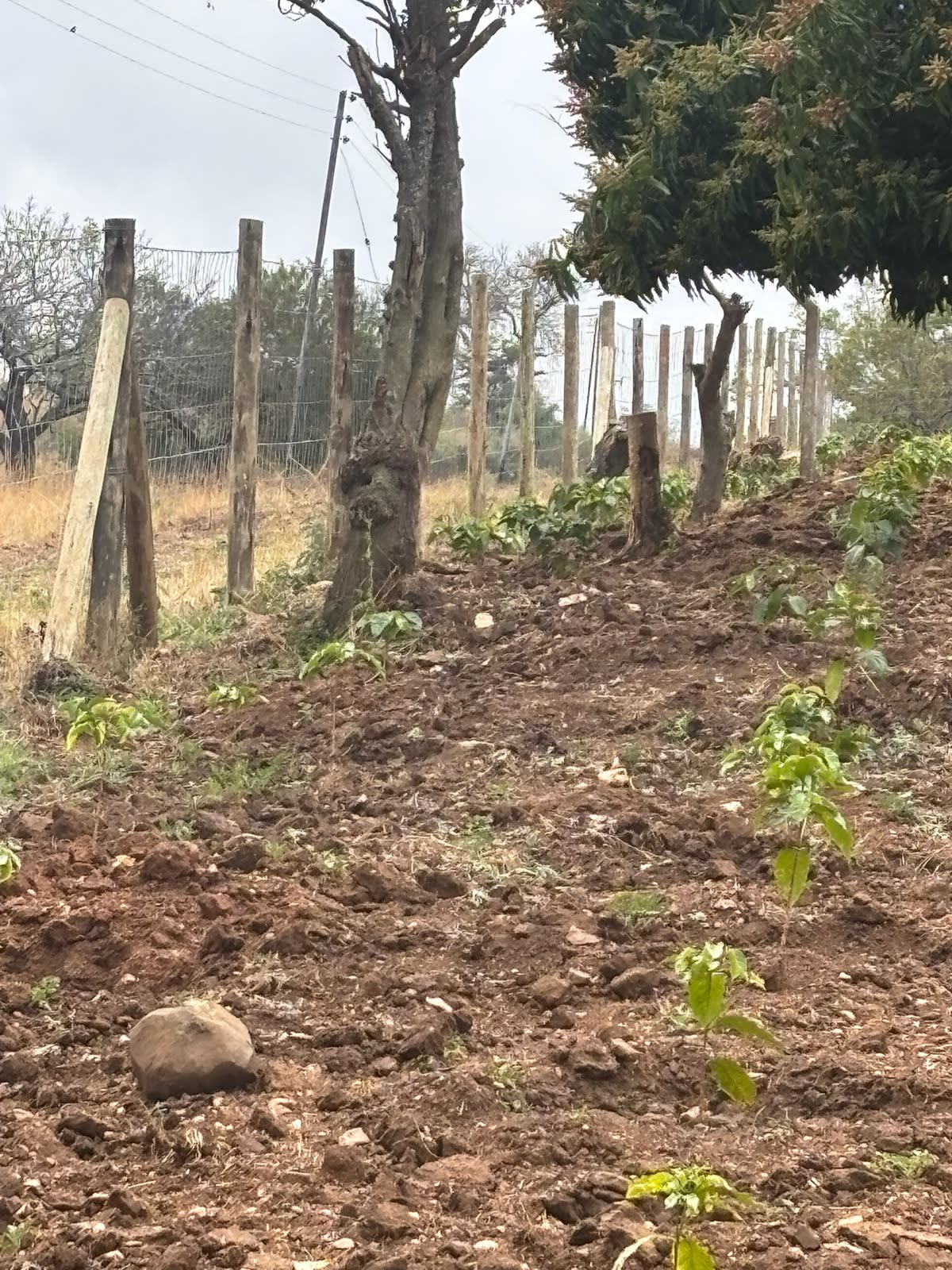
Young trees are moving into prepared ground as the commercial planted area develops.
The estate is being built towards recurring production, post-harvest handling and sale.
An integrated production system
Coffee rewards patience, discipline and long-range thinking. Grand Valley's strategy connects propagation, field development and future production rather than treating them as separate activities.
The estate in numbers
Grand Valley has leased a 450-hectare section of Farm 588 for 32 years. Within that secured footprint, the cultivation plan reaches 446 planted hectares over ten years, with land, water and nursery capacity developed as one production system.
leased coffee-estate footprint
long-term lease period
registered annual water right
registered irrigation allocation
planned planted footprint
phased planting programme
trees at full planting
peak projected annual yield
42,000 trees establish the first commercial block.
Steady annual expansion builds the planted estate to 230 hectares.
Accelerated planting completes 446 planted hectares within the 450-hectare leased footprint.
Projected full-production plateau before the long-term yield curve tapers.
Projected annual yield
The forecast rises as successive planting cohorts mature, reaches its planned plateau in Year 16 and then gradually eases after Year 24.
Documented estate and water facts. Estate size and lease term are supplied by Grand Valley Farm. Water figures are from the Eswatini Government Department of Water Affairs confirmation dated 13 January 2023 and cross-checked against the Ricelands farm brief. The 104.9-hectare allocation is recorded against sugar cane and should not be read as a direct coffee-irrigation equivalent.
Planning assumptions. Planting and yield figures are Grand Valley Farm projections. Annual yield is calculated across planting cohorts, not by applying the displayed yield-per-tree figure to the full tree count in each year. Actual production will depend on cultivar mix, weather, field performance and farm management.
From nursery to permanent field
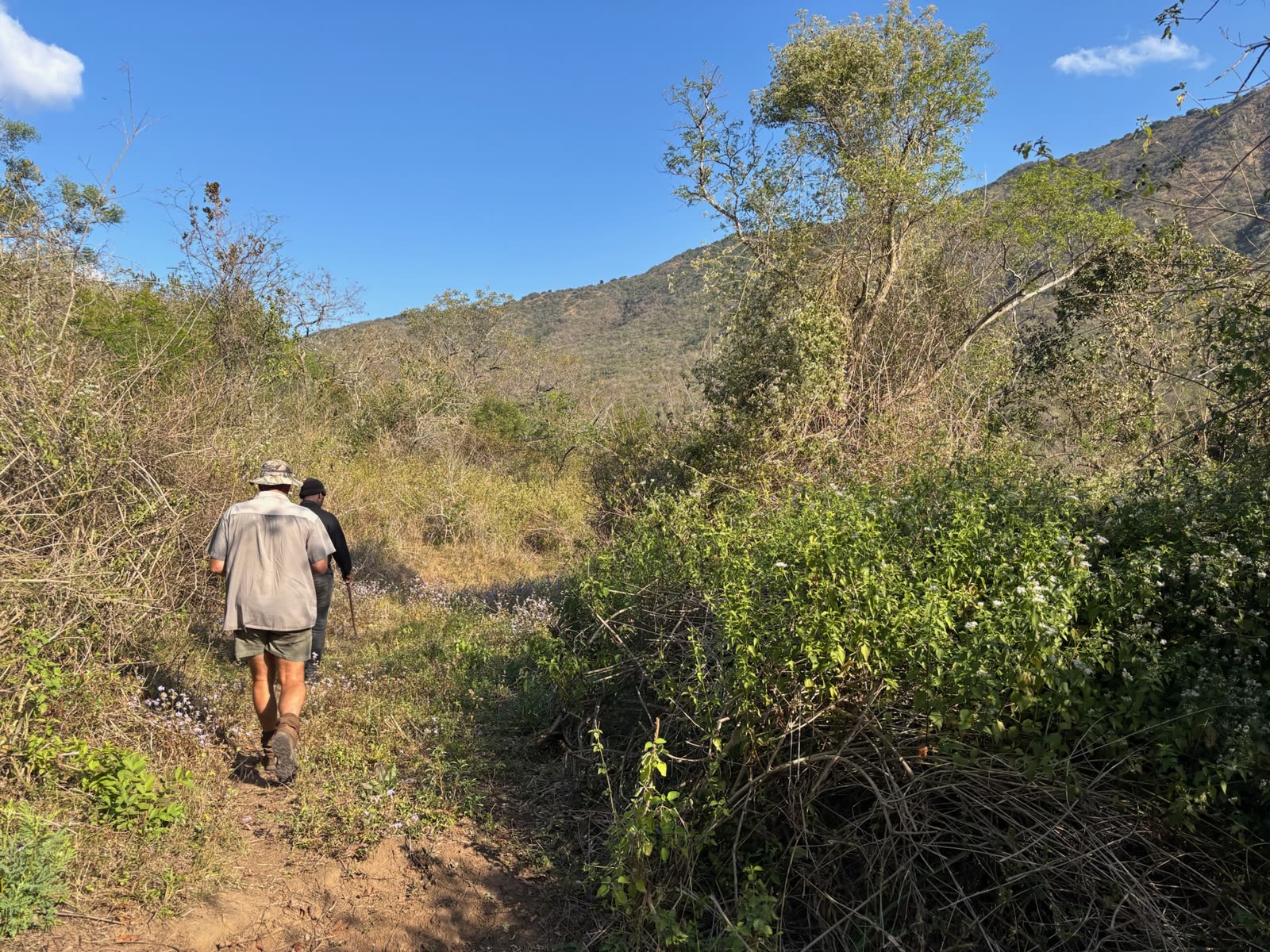
Field establishment is where the commercial strategy becomes a living asset. Each young tree must leave the protected nursery, adapt to its permanent environment and become part of a disciplined, manageable planting system.
This remains a human undertaking
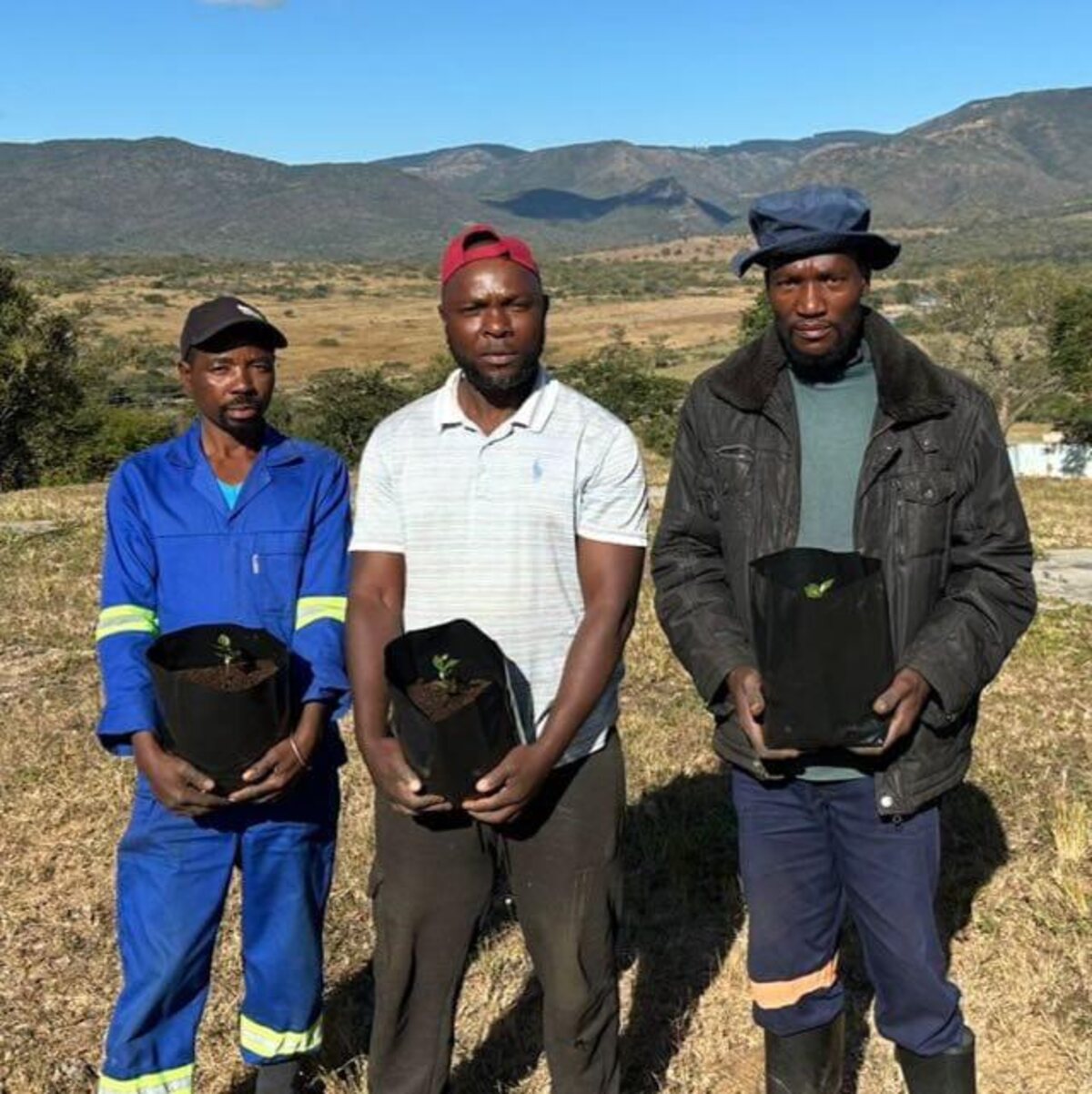
Grand Valley Farm 588 is led by Emaswati stakeholders—fifth-generation custodians of the land—supported by a growing team of local Emaswati who are on the farm every single day.
This is not a remote or absentee venture. The land is heritage, identity and responsibility passed down through generations. Deep local knowledge, cultural continuity and a long-term view sit at the centre of every decision.
A living project record
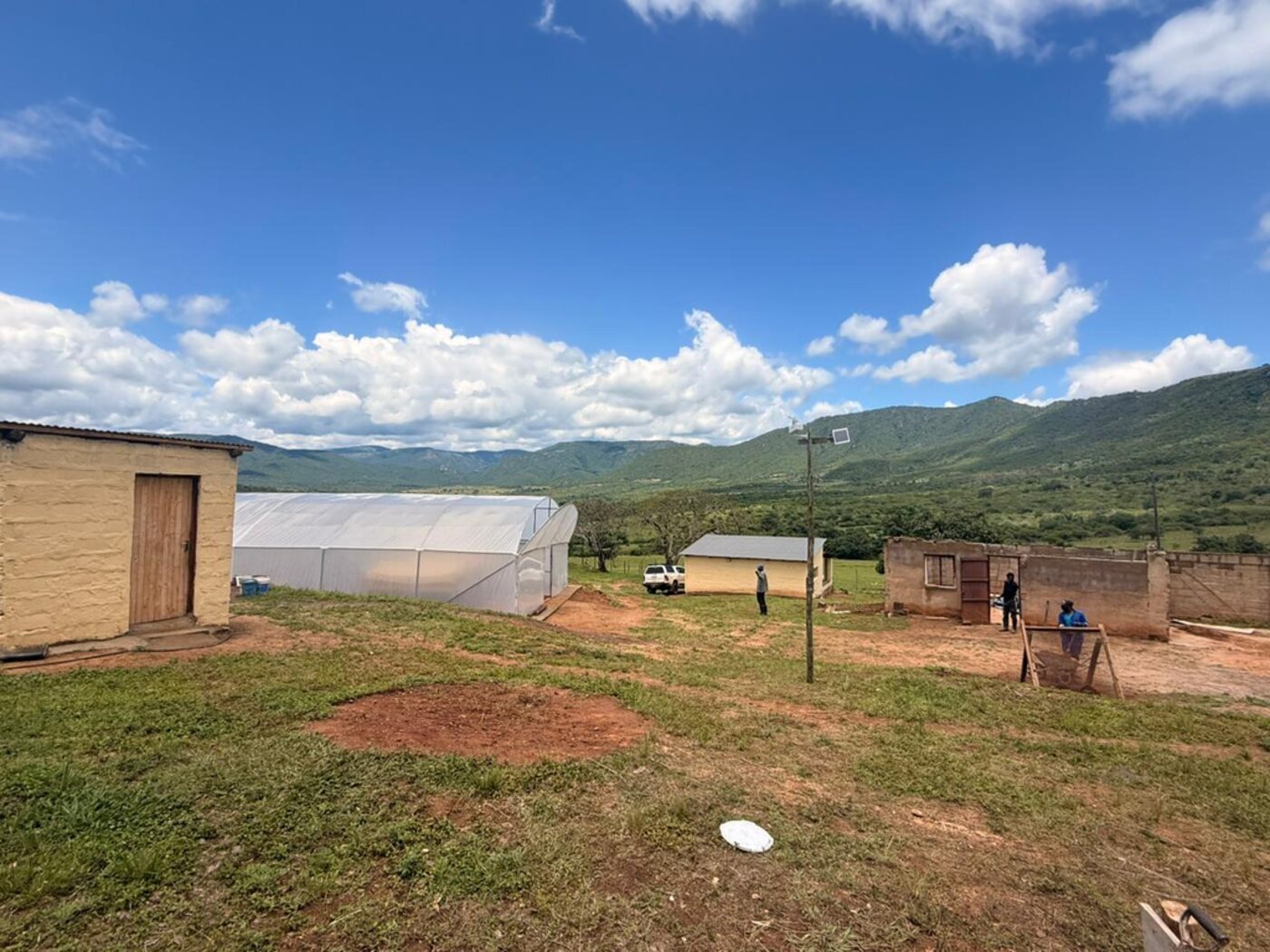
Photographs, short films and field notes document the work from greenhouse construction to nursery production and early field planting.
Explore the complete farm journal ↗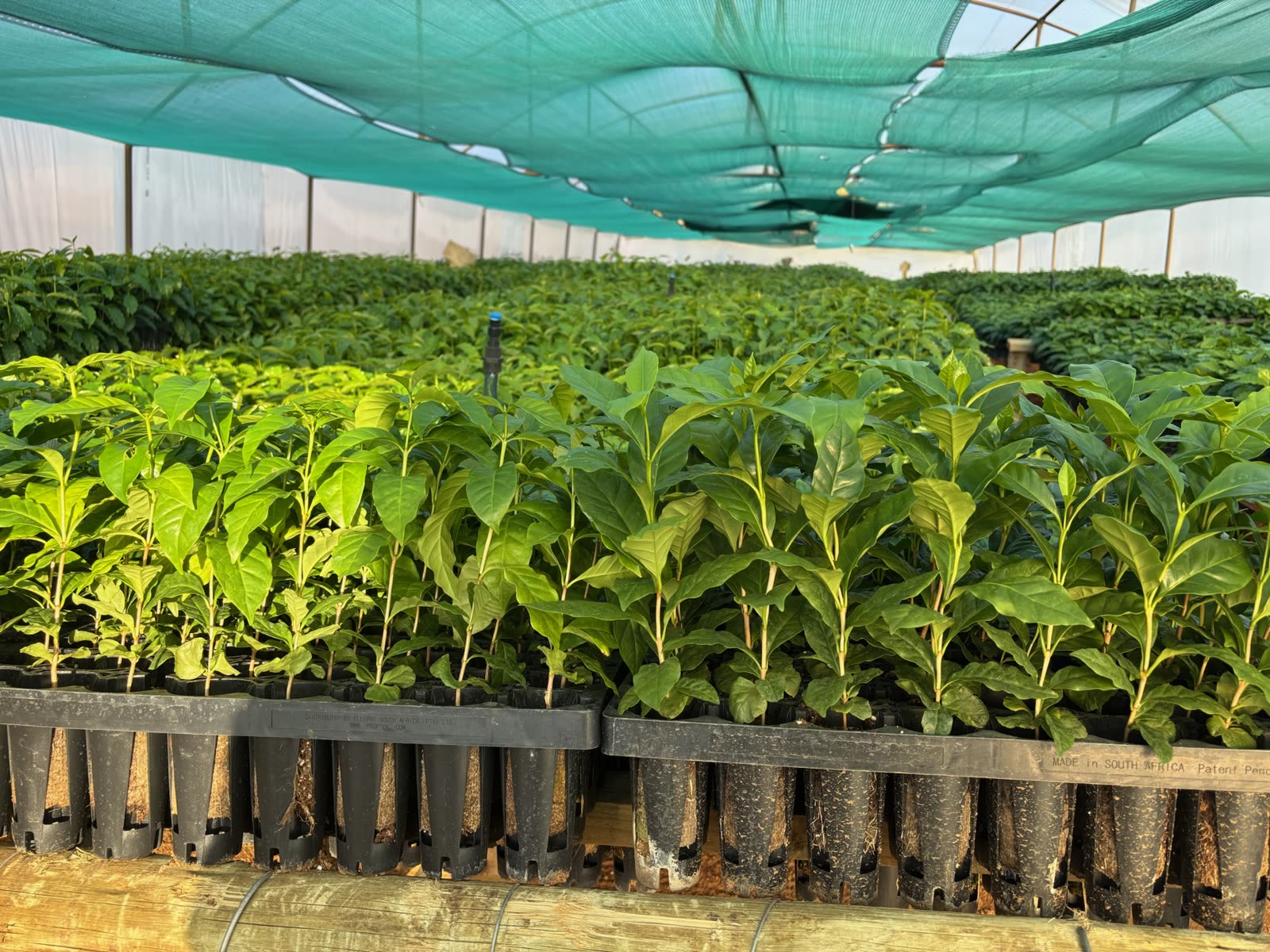 Supporting the estate at source
The on-farm nursery
The nursery is a means to the larger commercial objective: raising consistent, traceable trees close to the land where they will grow. Protected propagation and the Ellepot system give each plant a controlled start before field establishment.
Grand Valley also makes selected surplus planting material available to regional growers, extending the capability beyond the estate.
Land secured. Progress underway.
Core infrastructure is in place, the nursery is operating and the transition into field establishment has begun. Grand Valley Farm is being developed as a long-term productive agricultural business—one deliberate stage at a time.