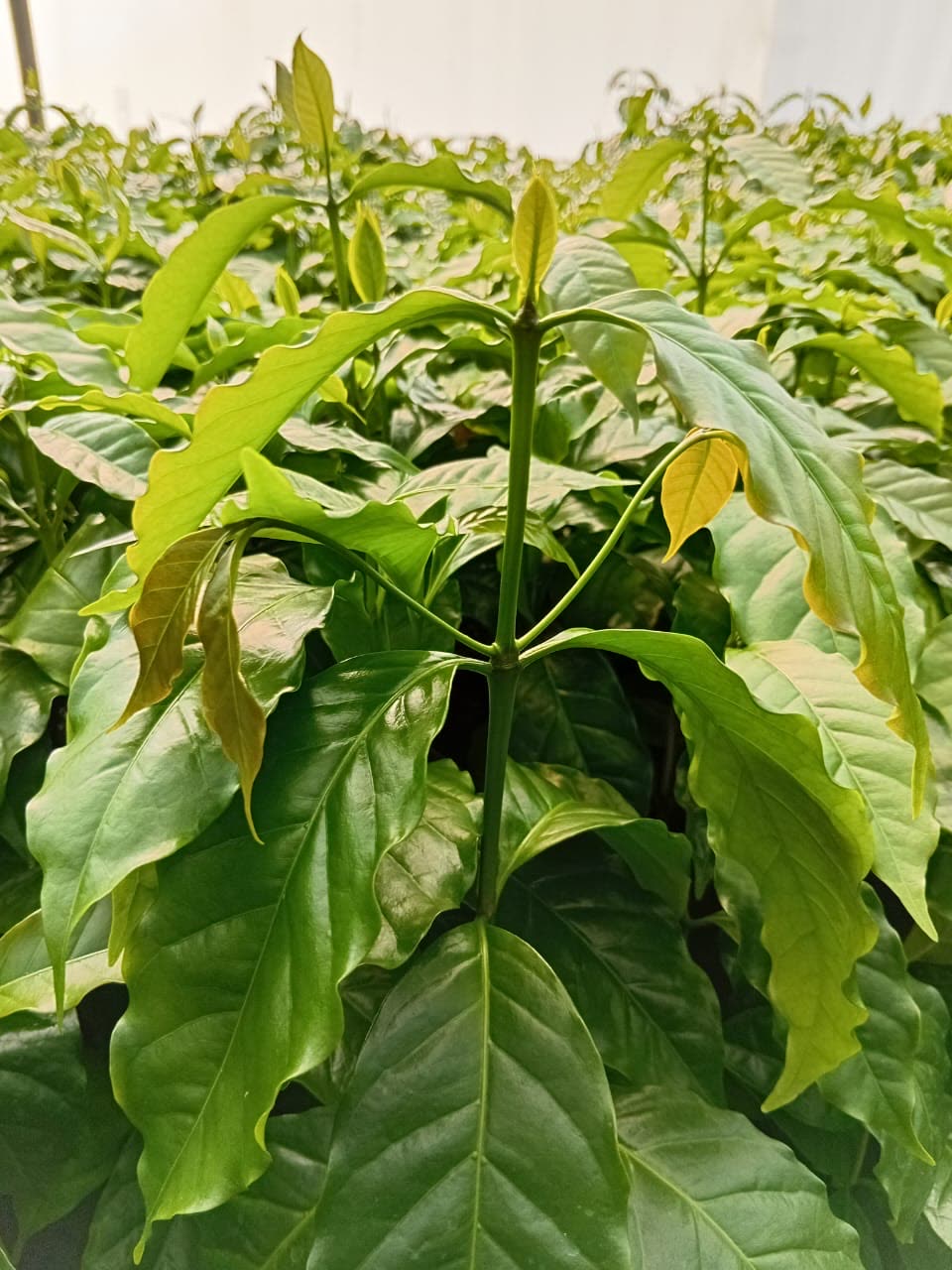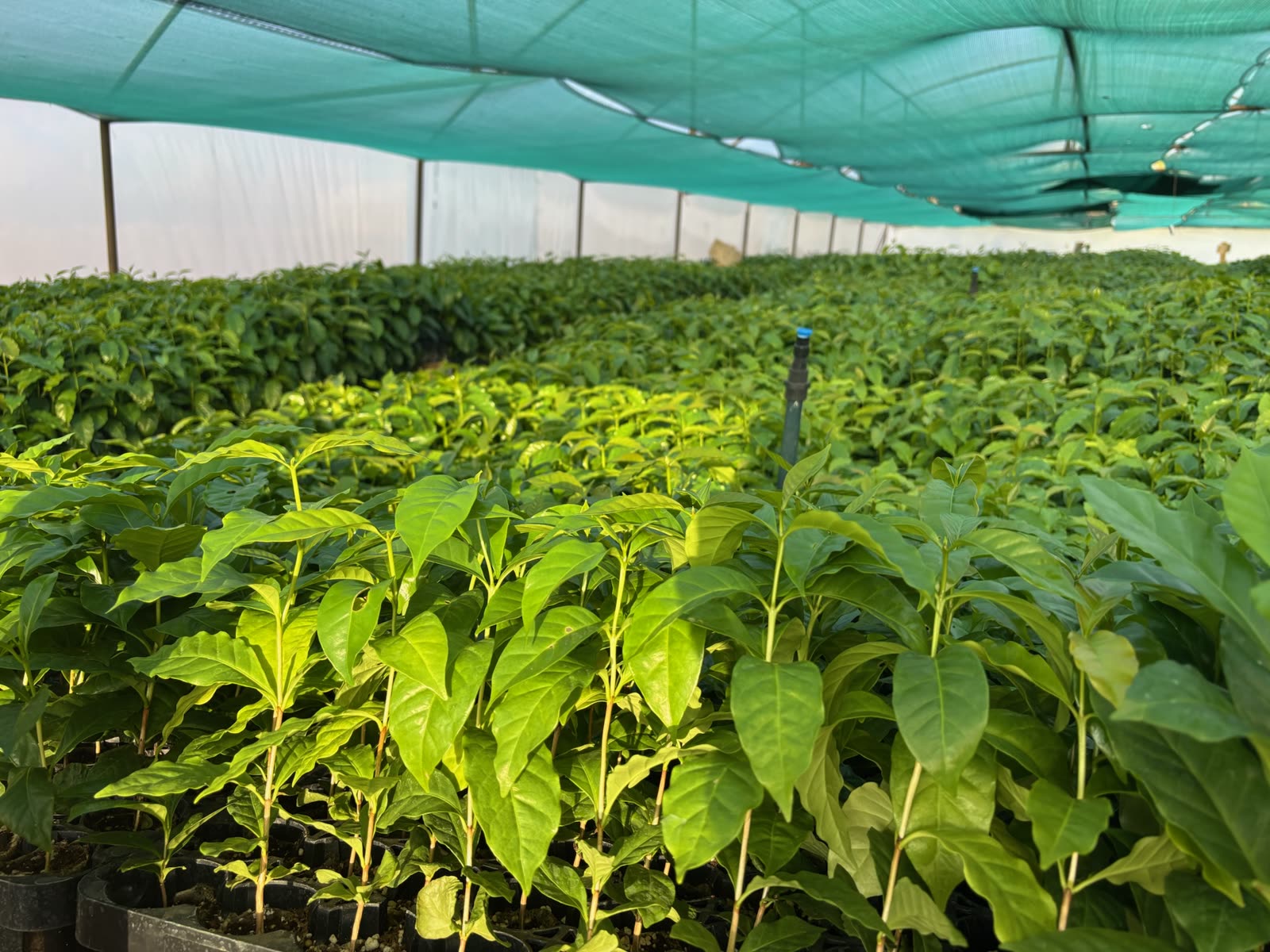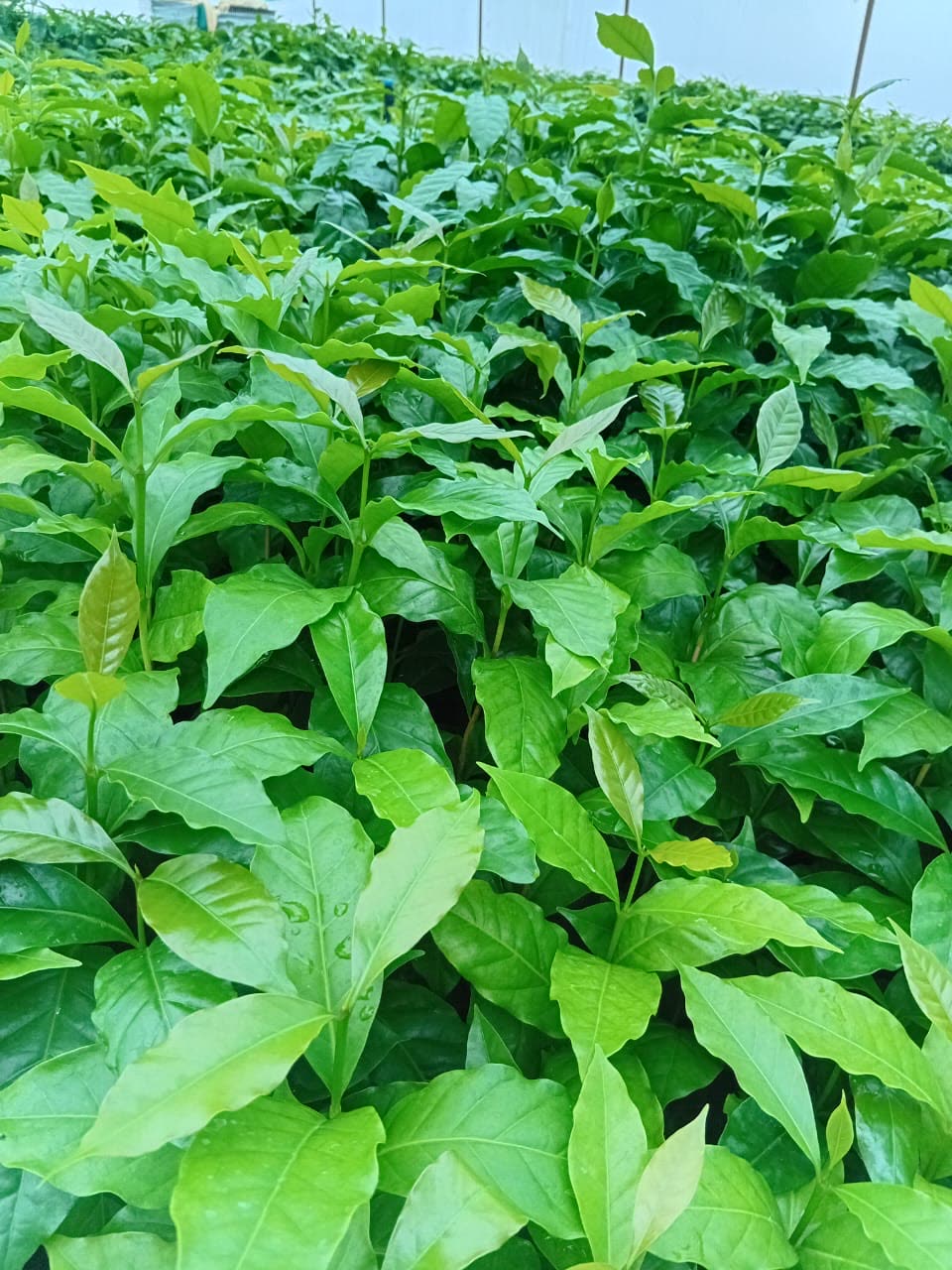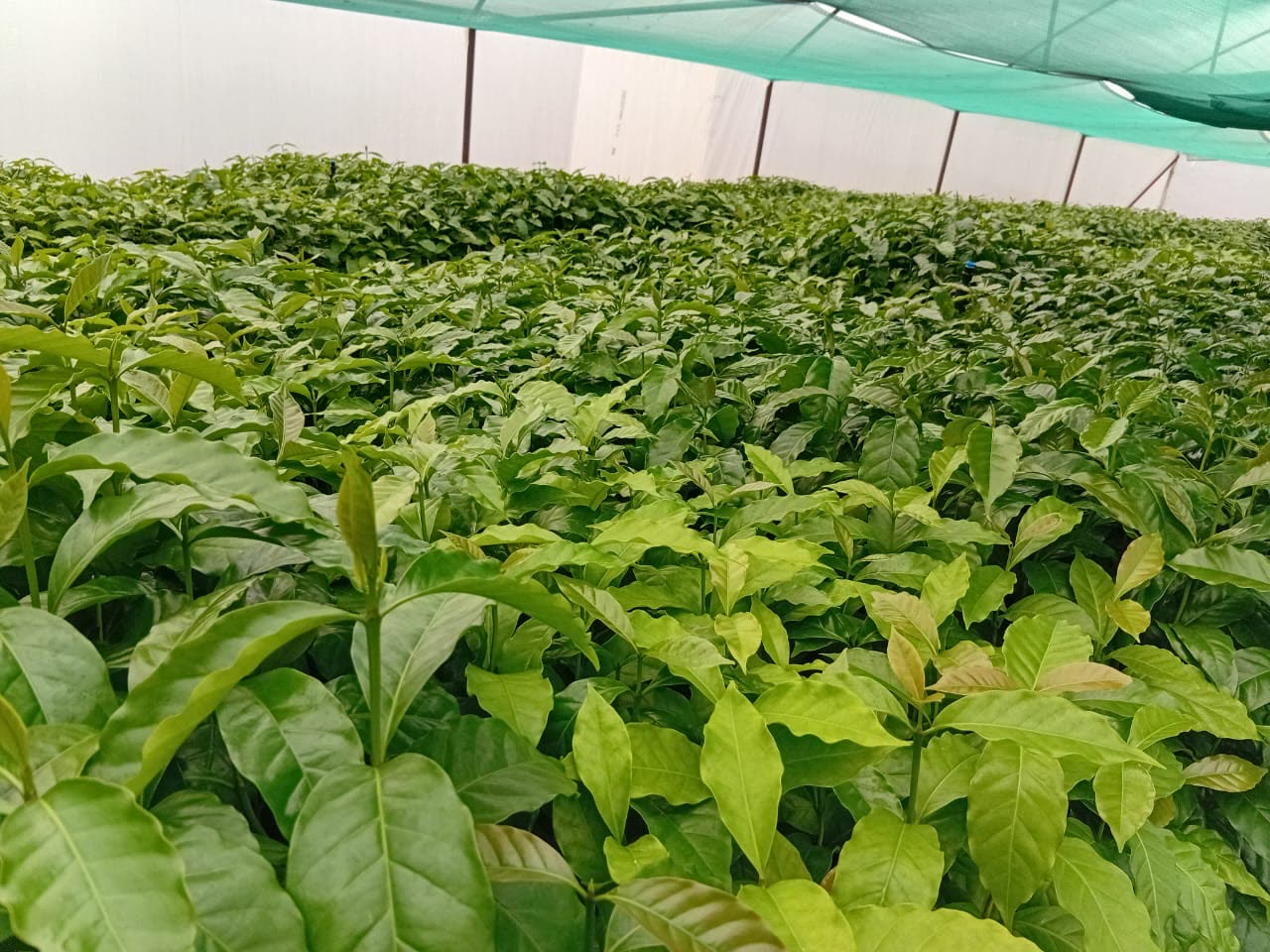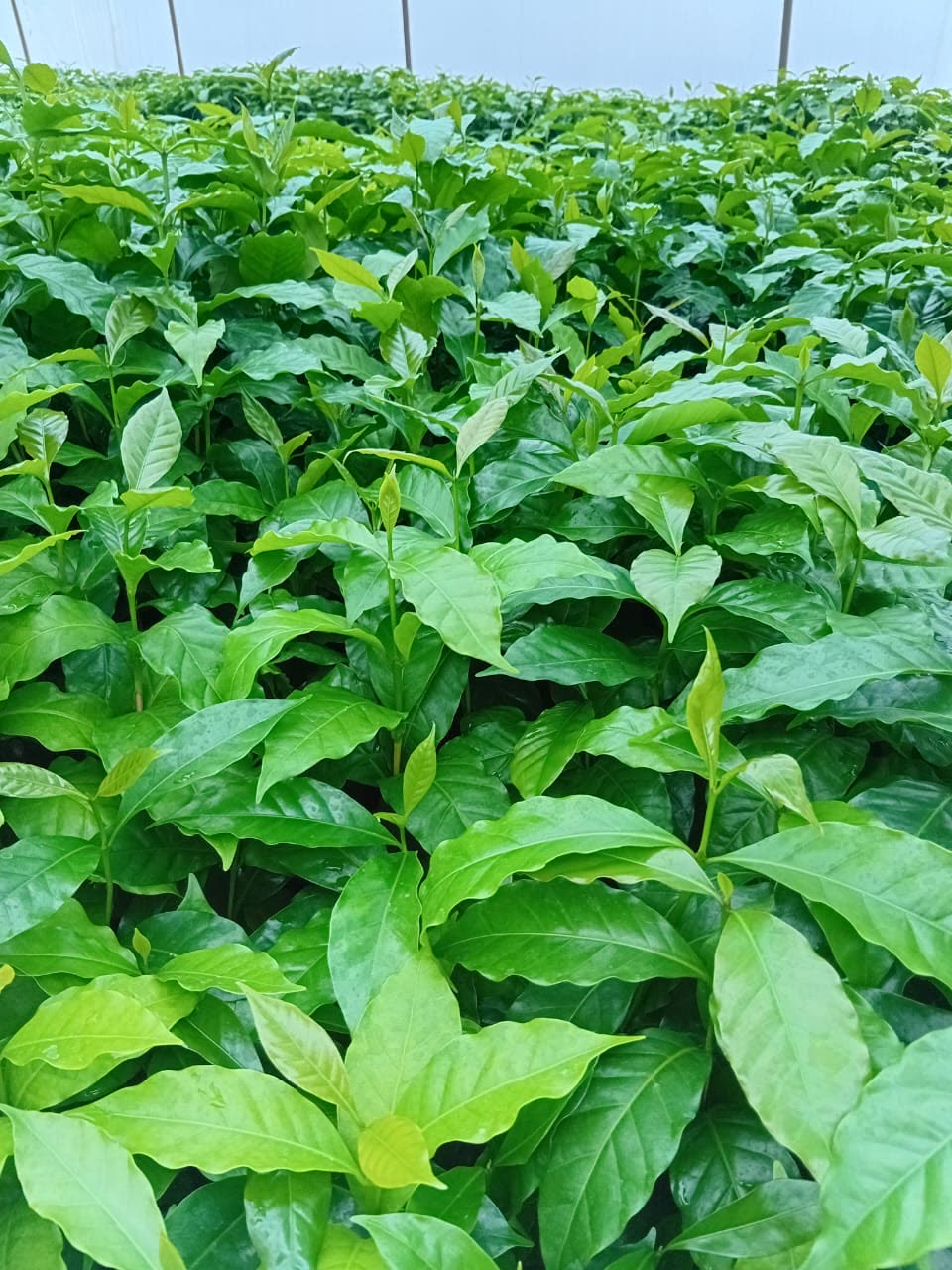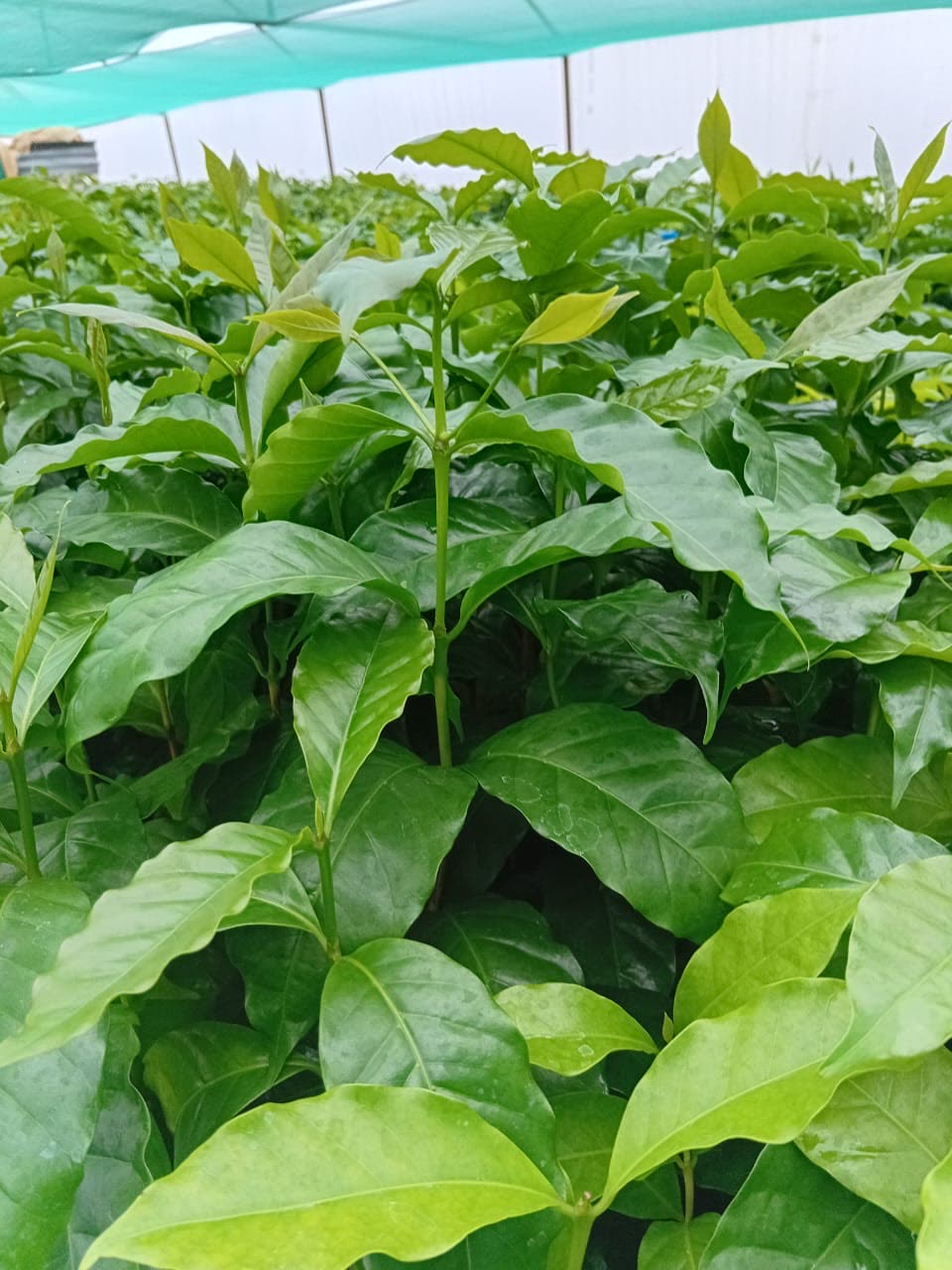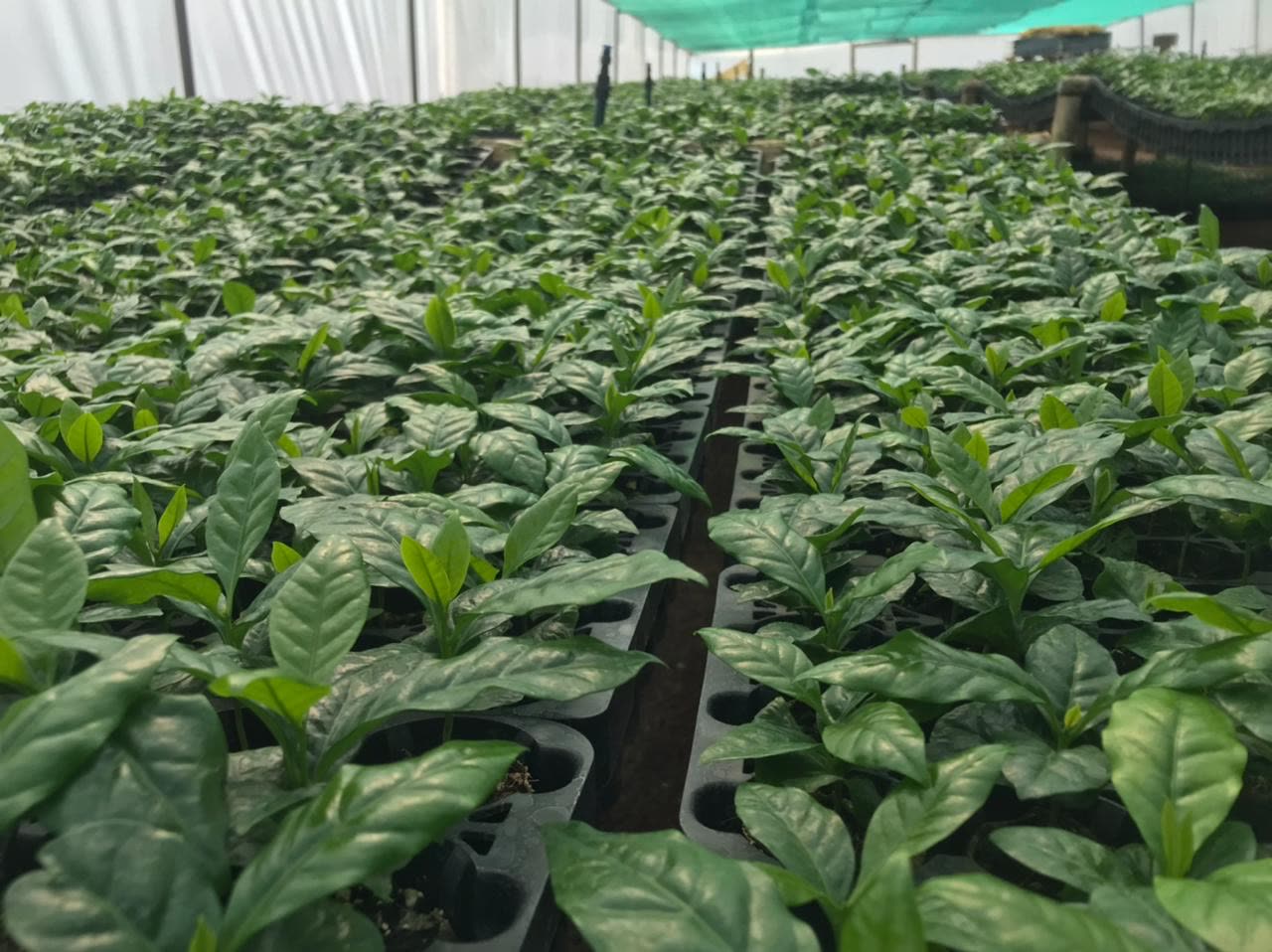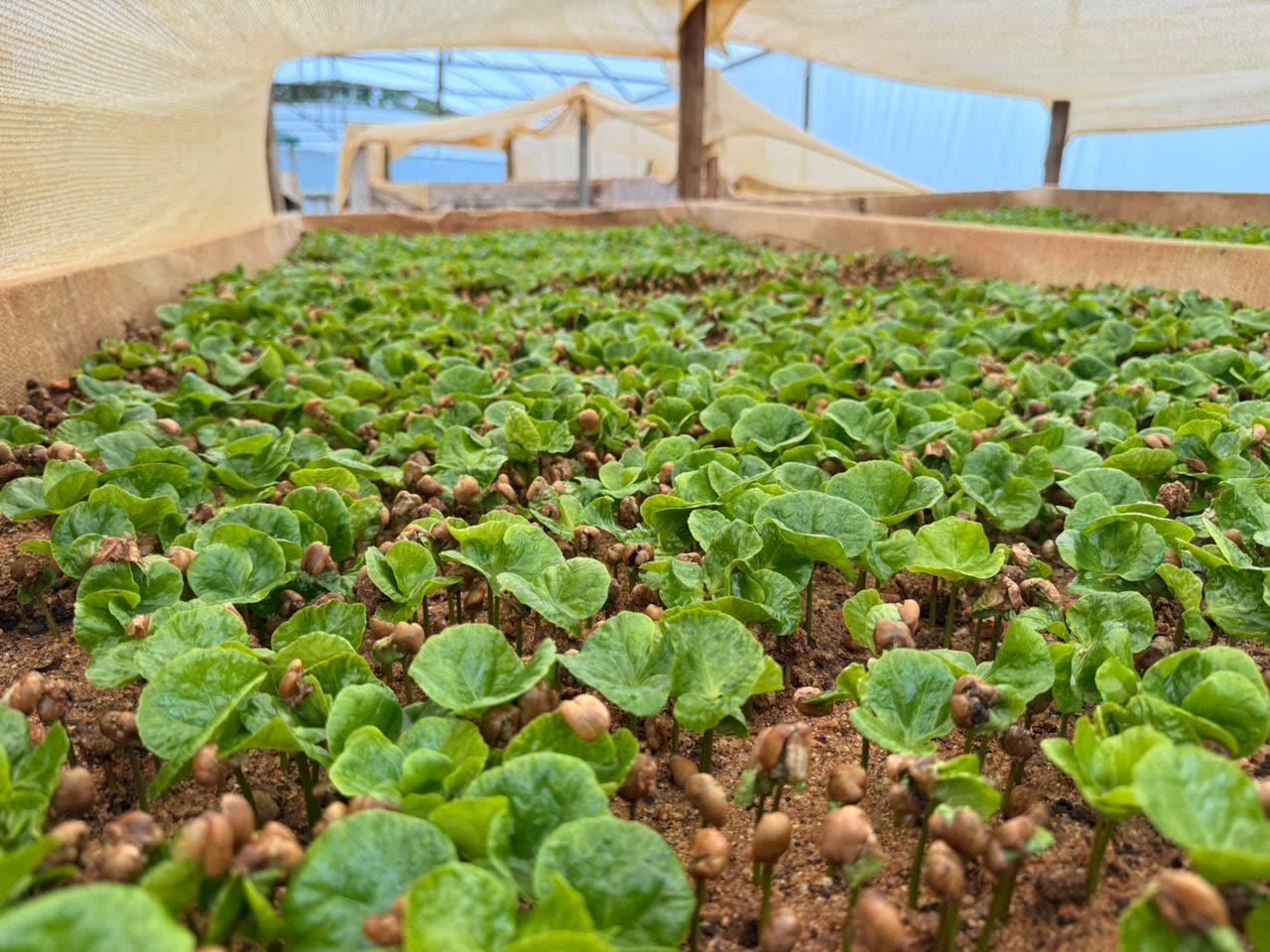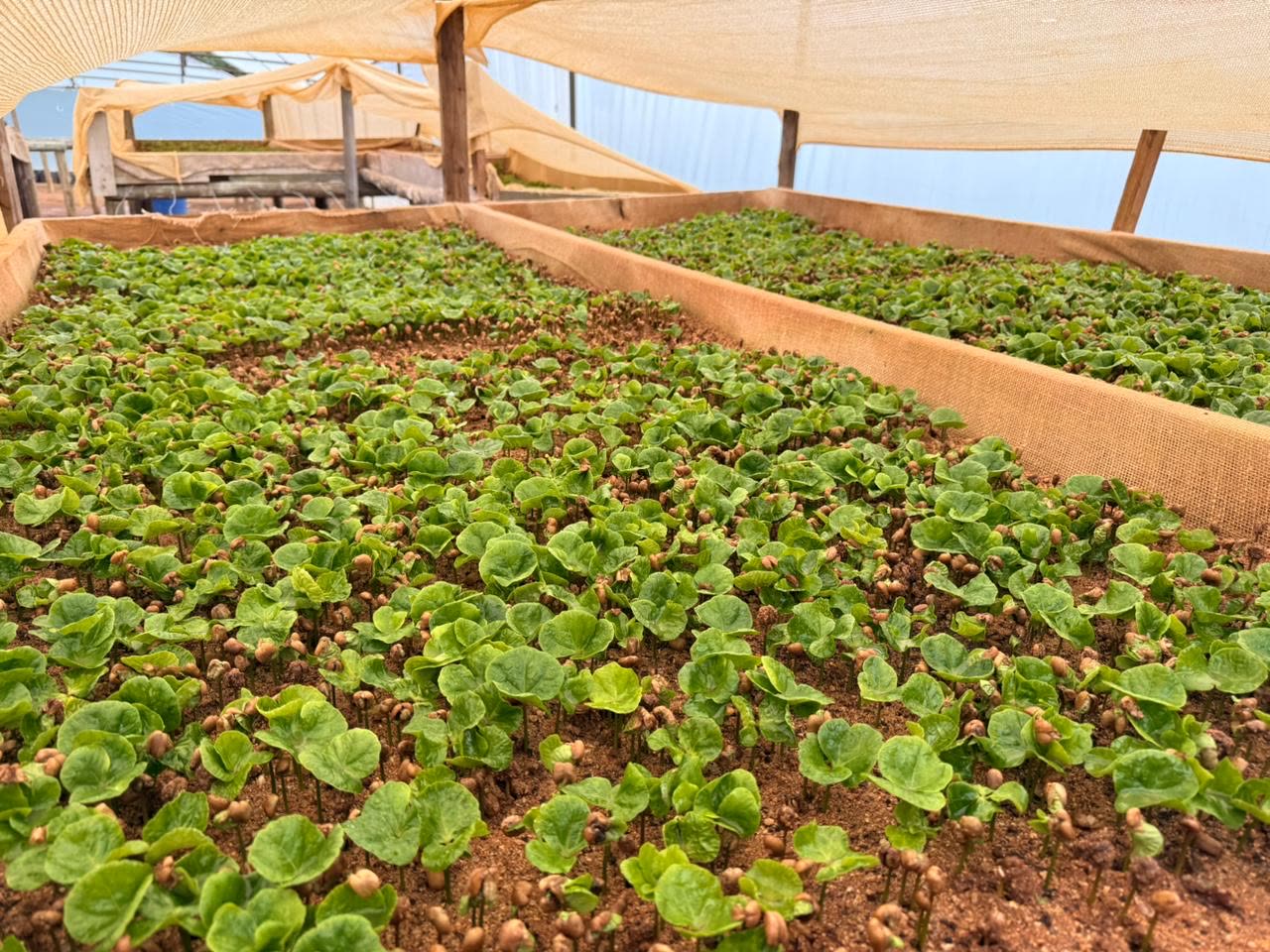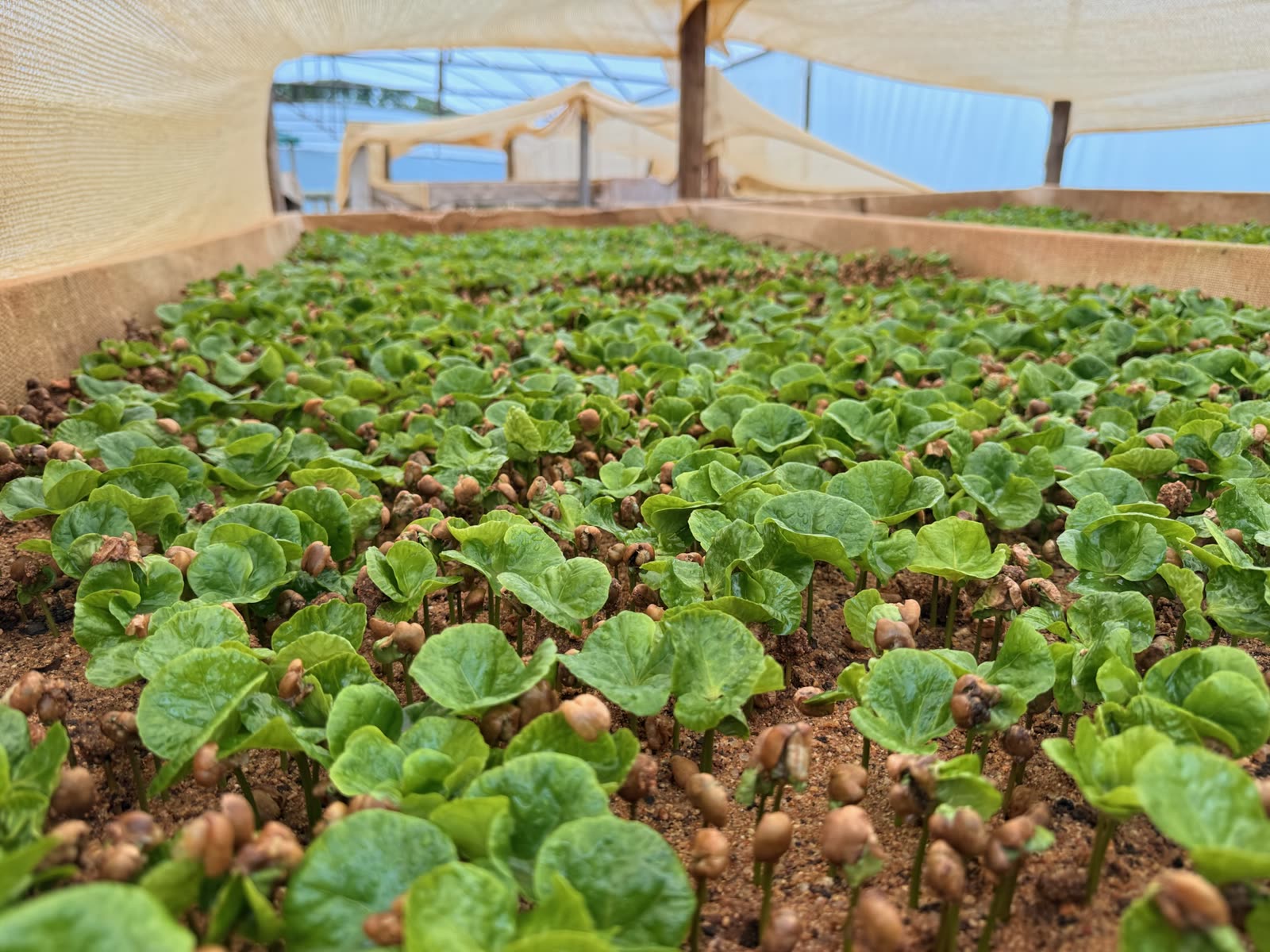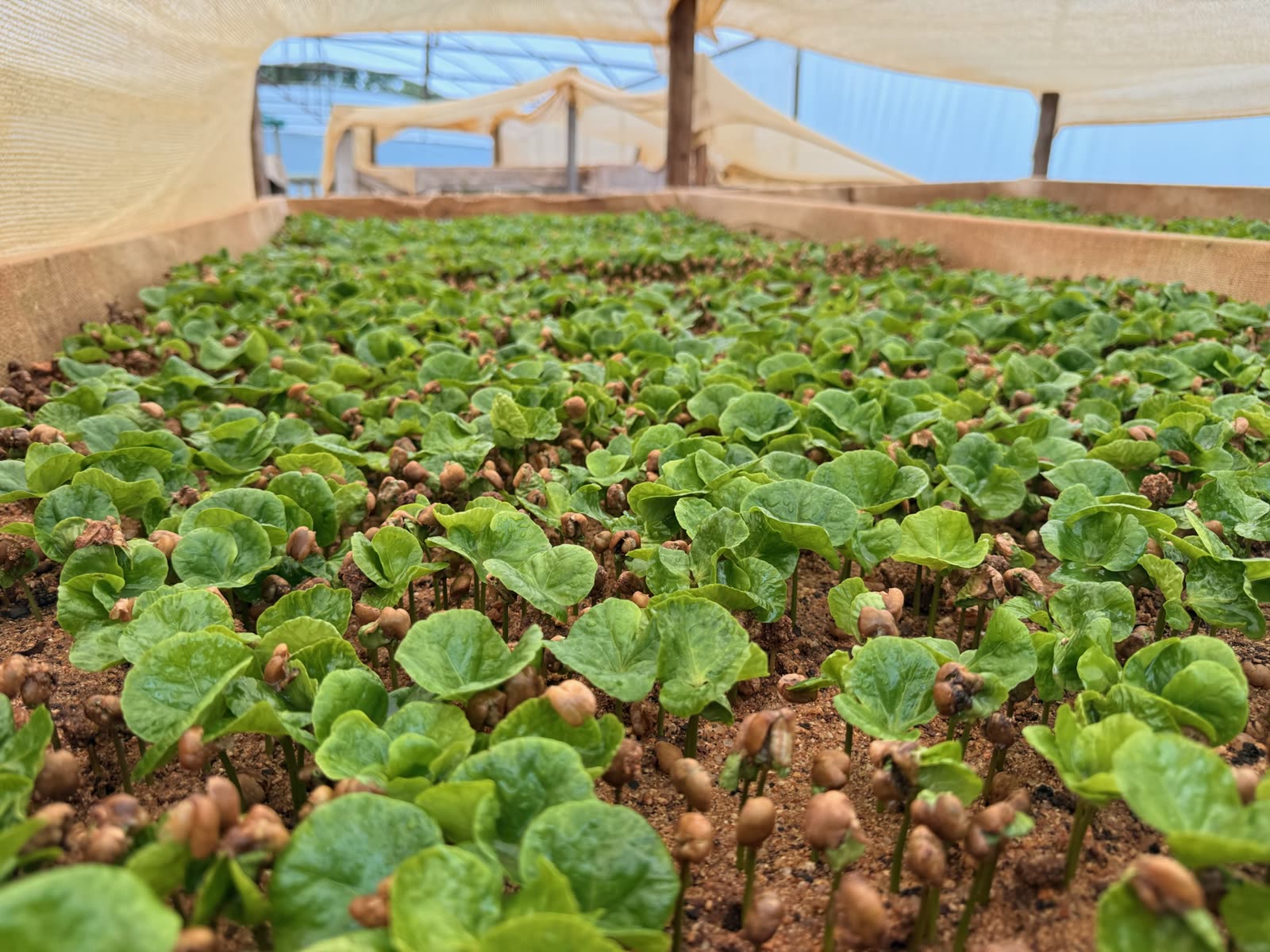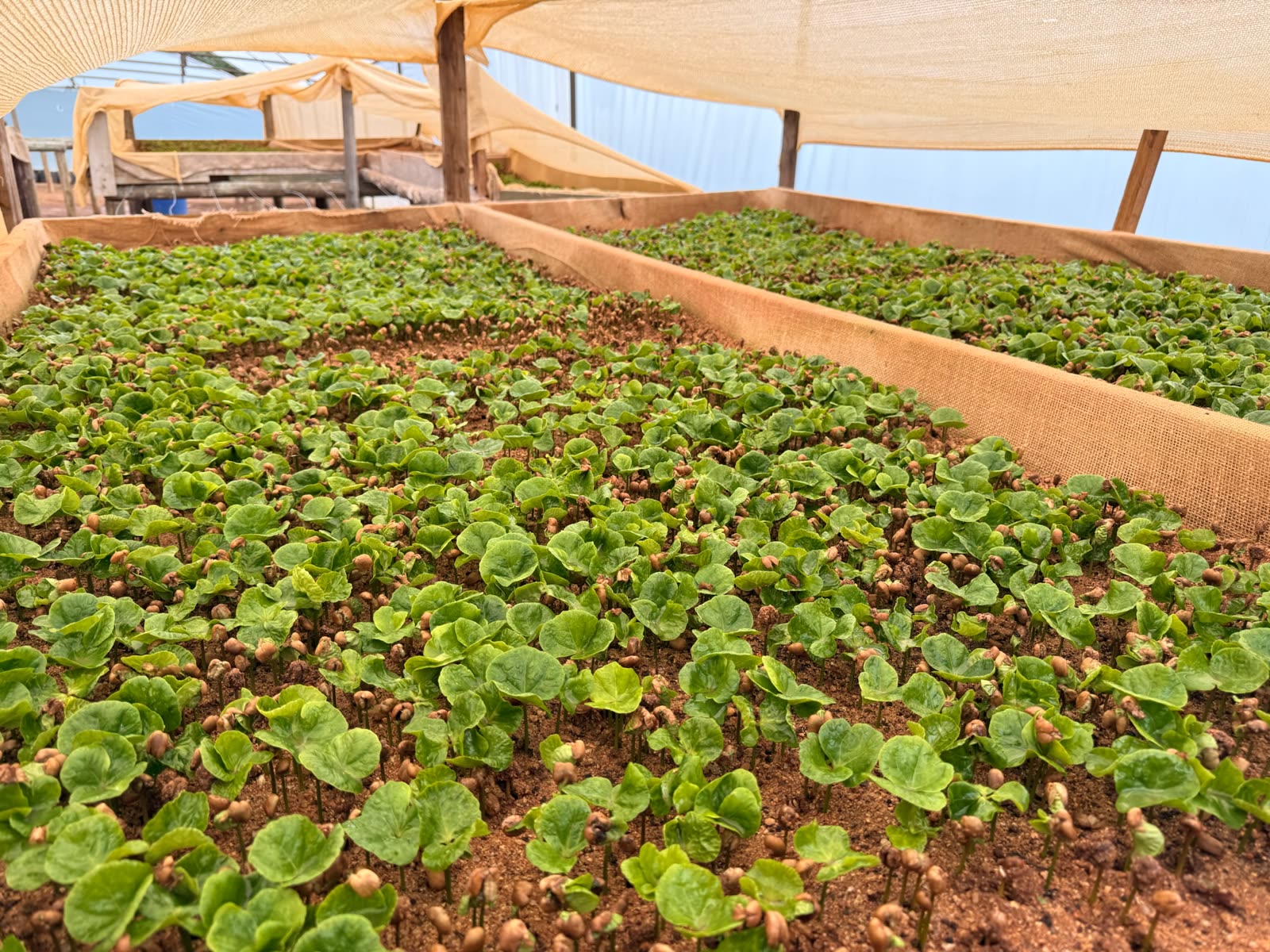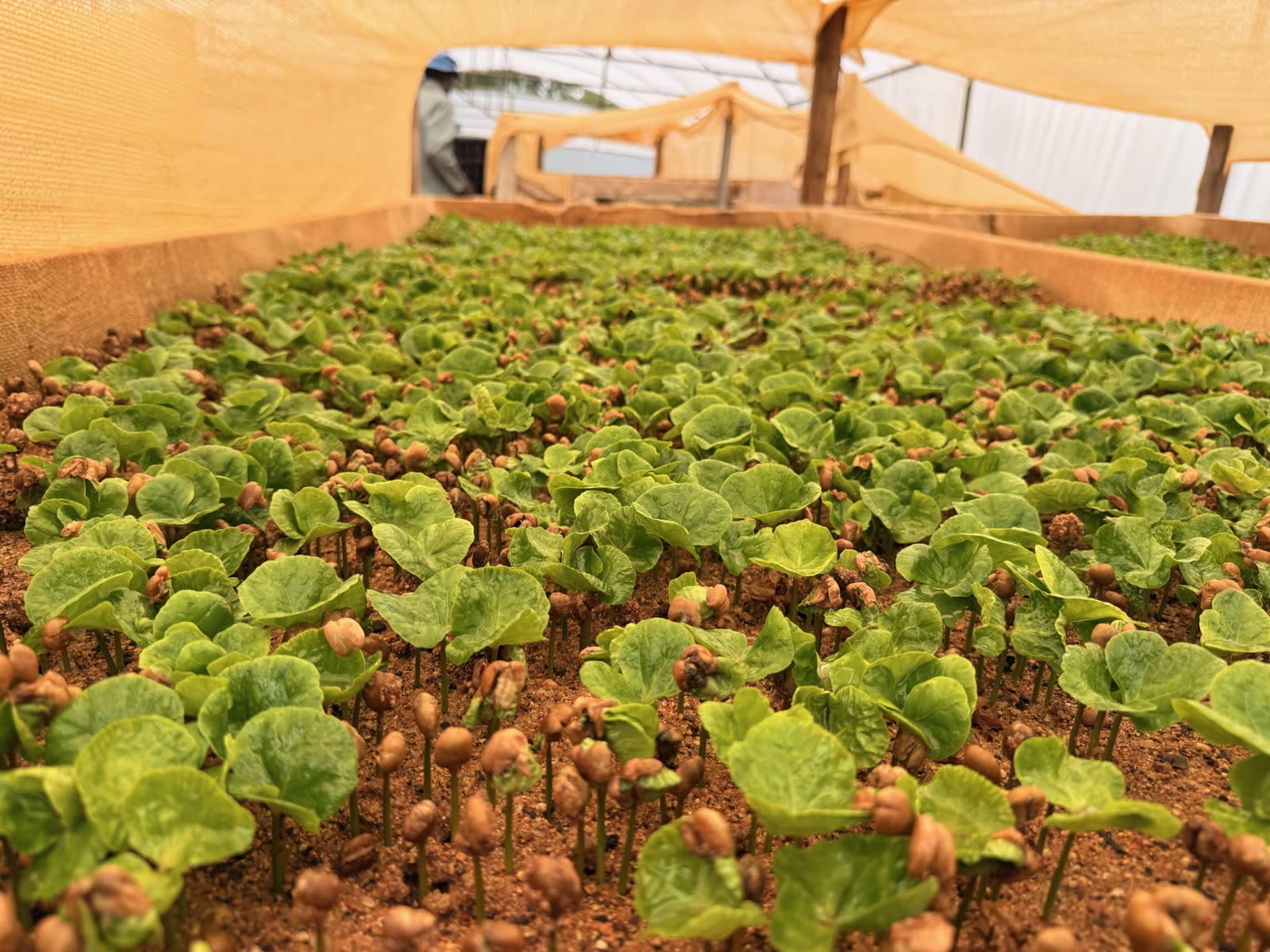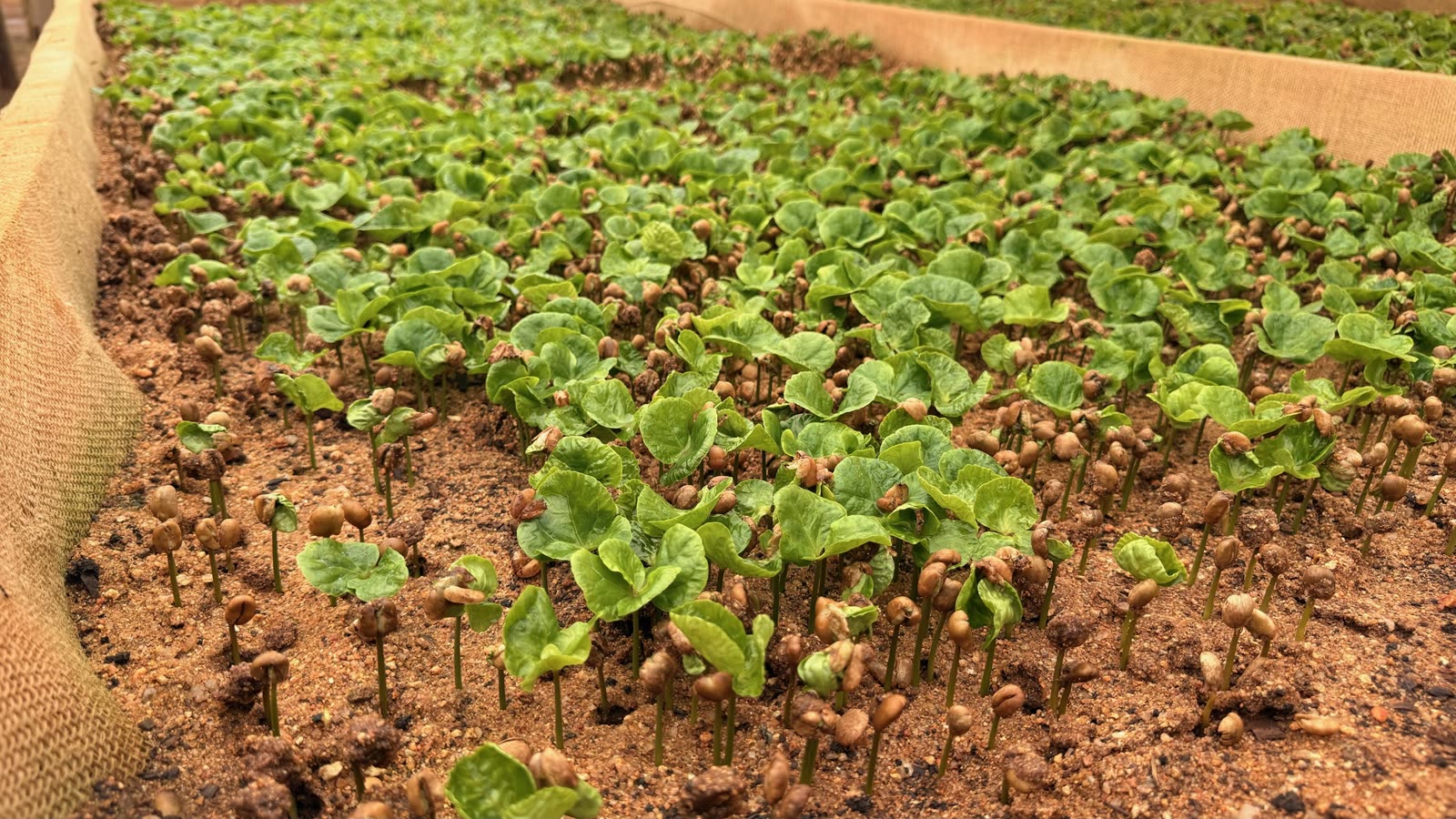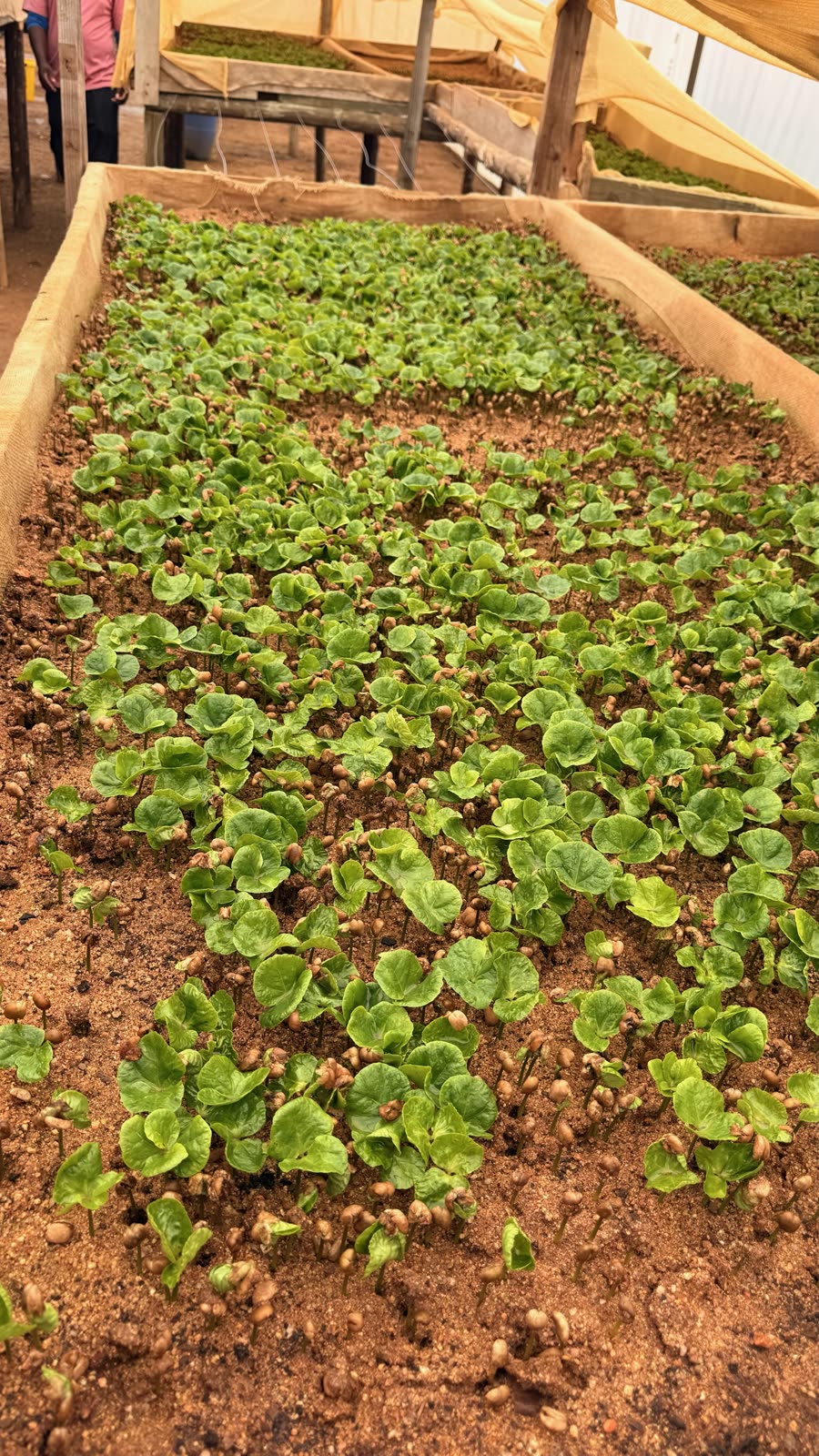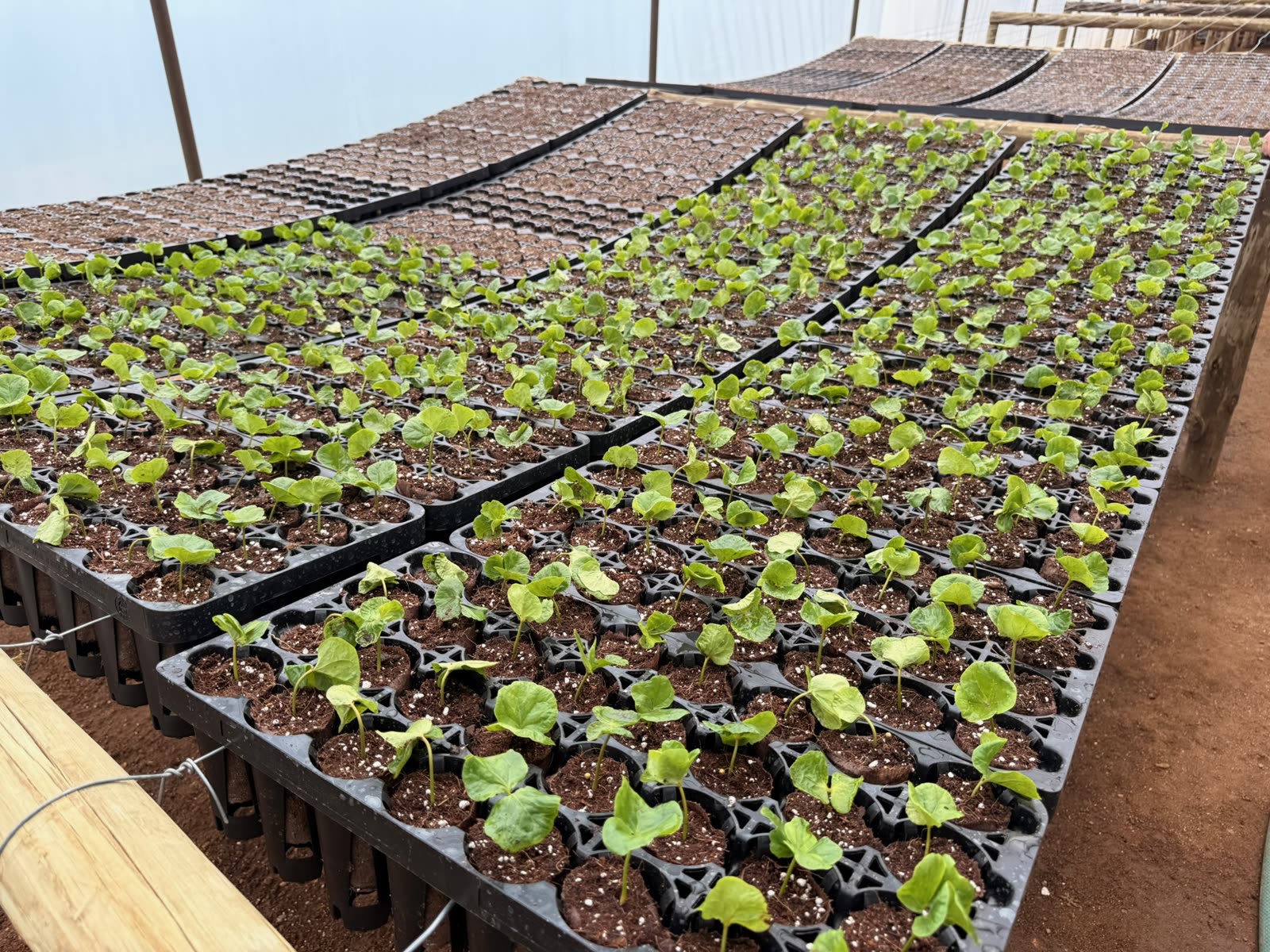
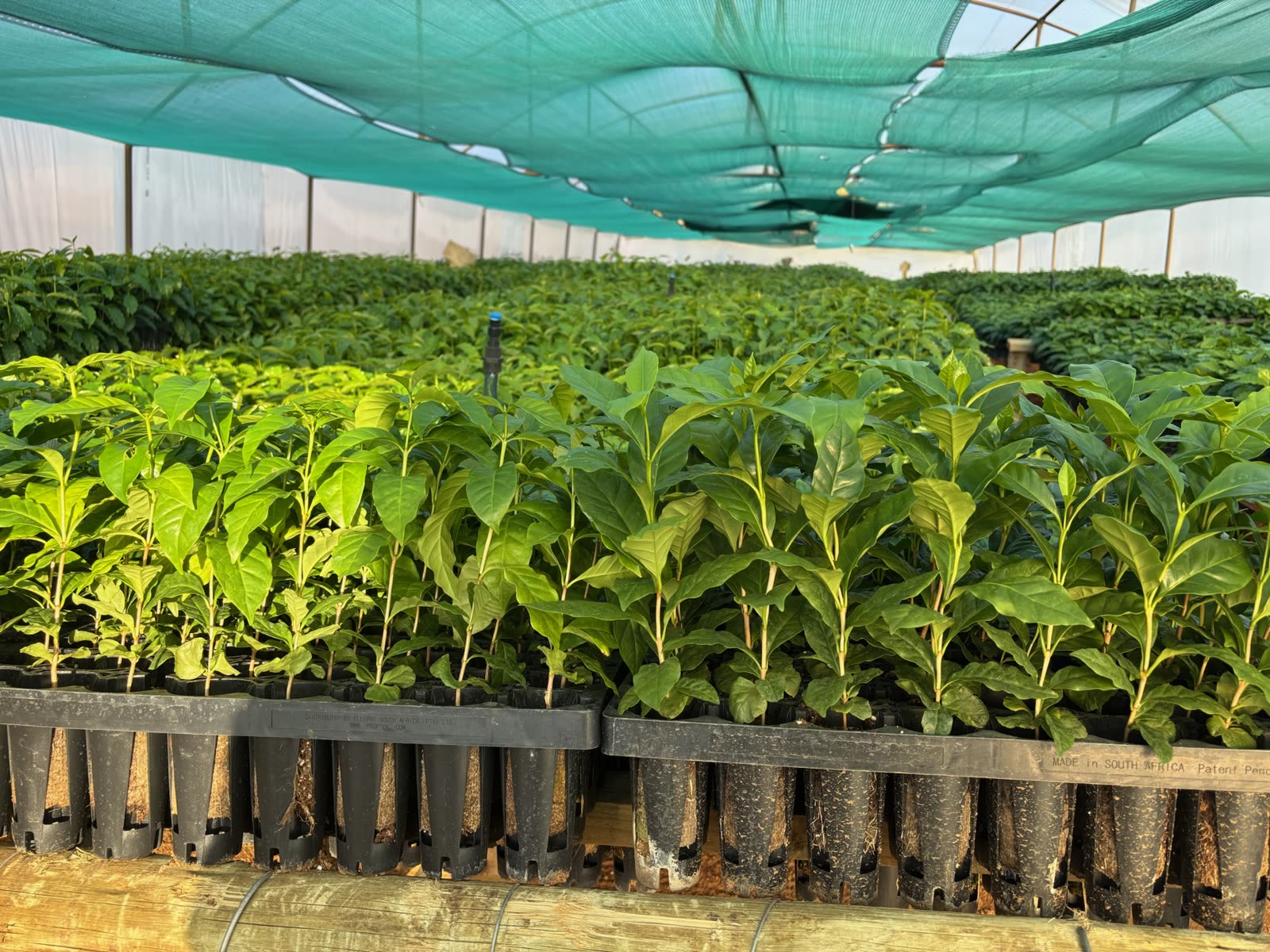
Rows of healthy young coffee plants in the Grand Valley Farm nursery

May 2023 — August 2026

Three years,
documented.

Field notes, photographs and short films from the people building Grand Valley Farm—one practical milestone at a time.

Read the journal
99archive
photographs

Progress, not polish

The work behind
every young tree.

This growing archive follows the farm from early aerial surveys and irrigation work through greenhouse construction, seed preparation, protected germination, Ellepot transfer, nursery development and field planting.

Entries are grouped around the real milestones visible in the supplied media. Dates reflect the supplied filenames, numeric capture timestamps and archive file dates. As each update arrives, this journal can keep growing week by week.

The farm record

From landscape
to living canopy.

A full nursery and the next move into the field

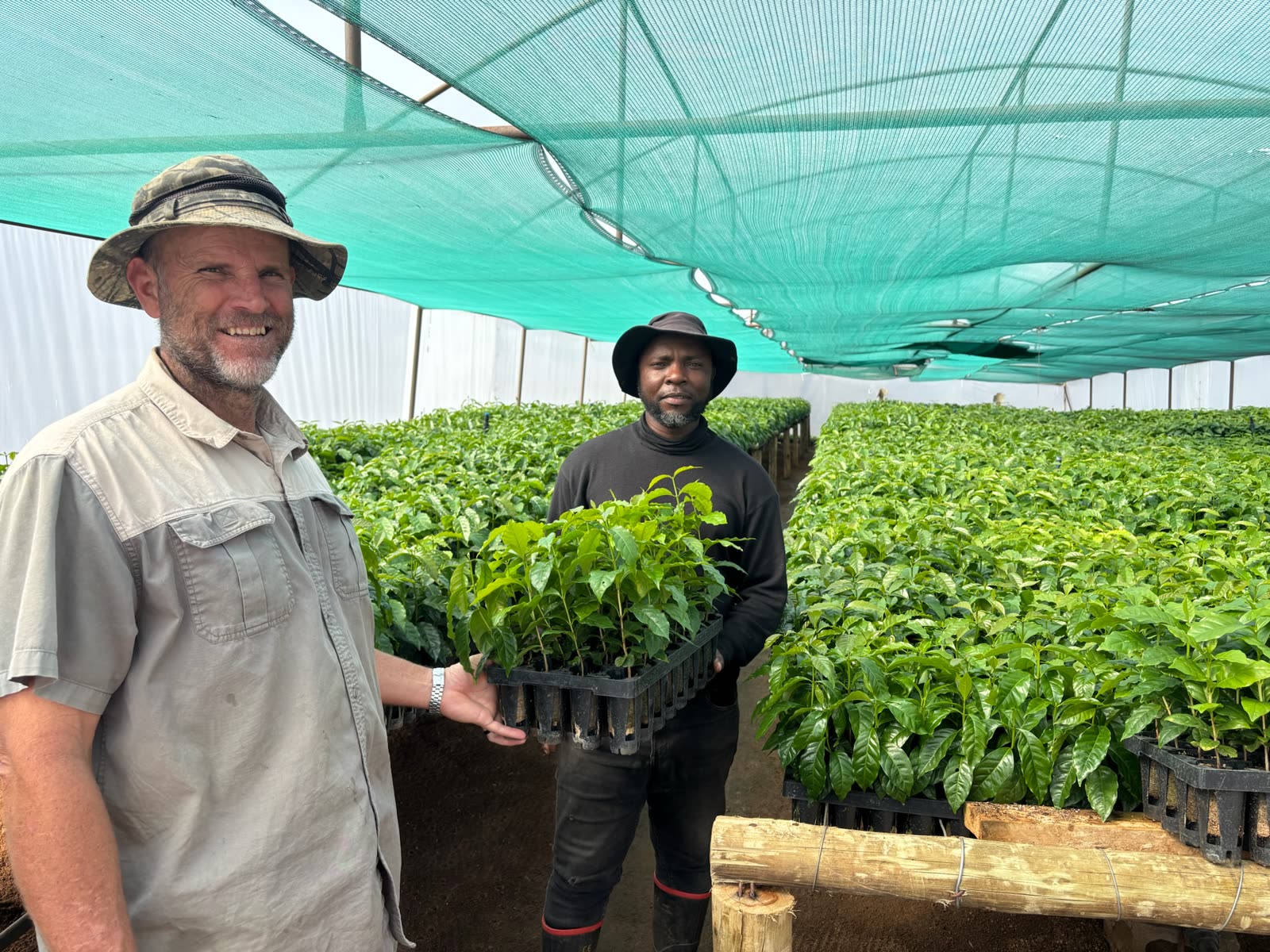
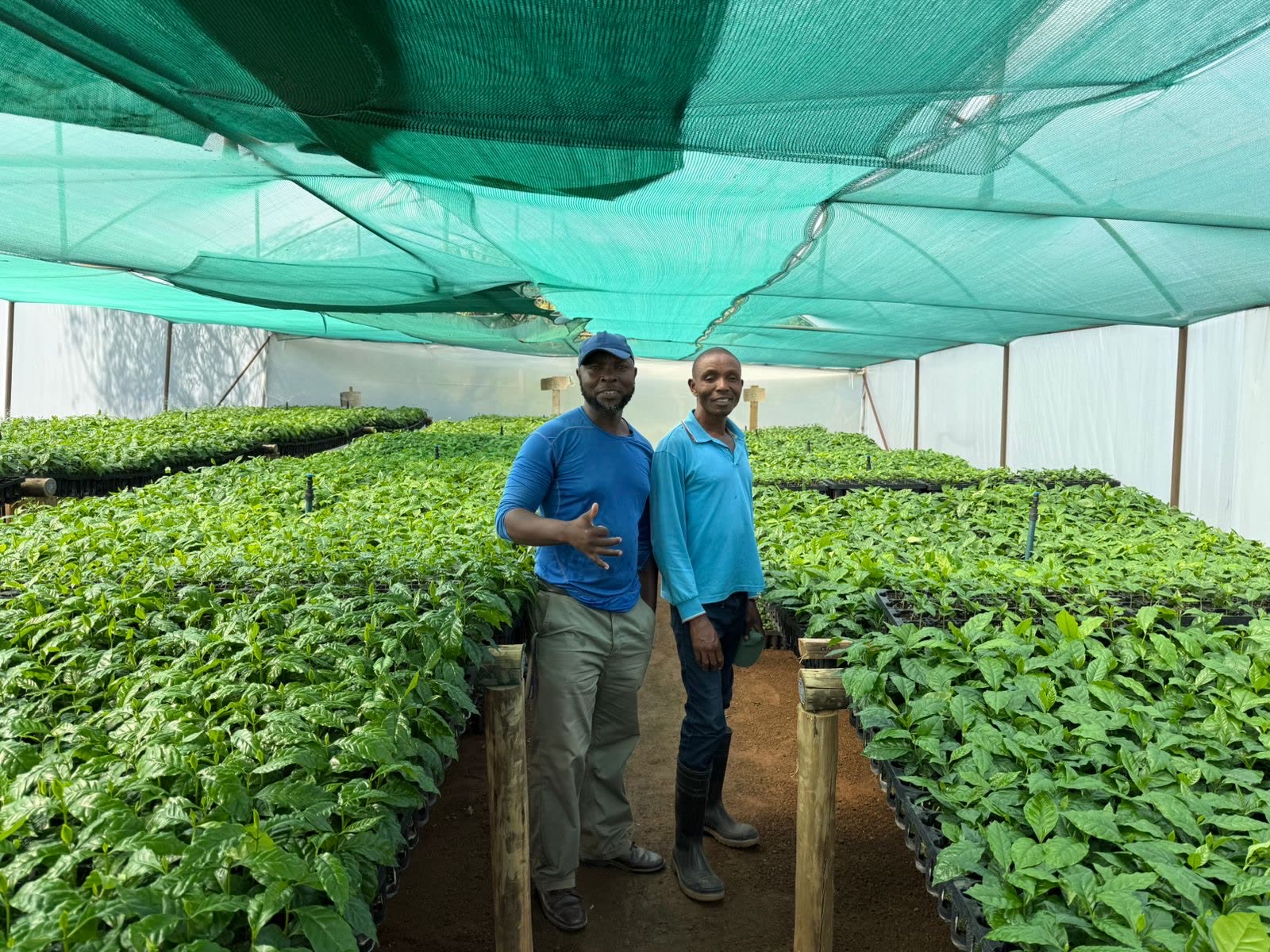
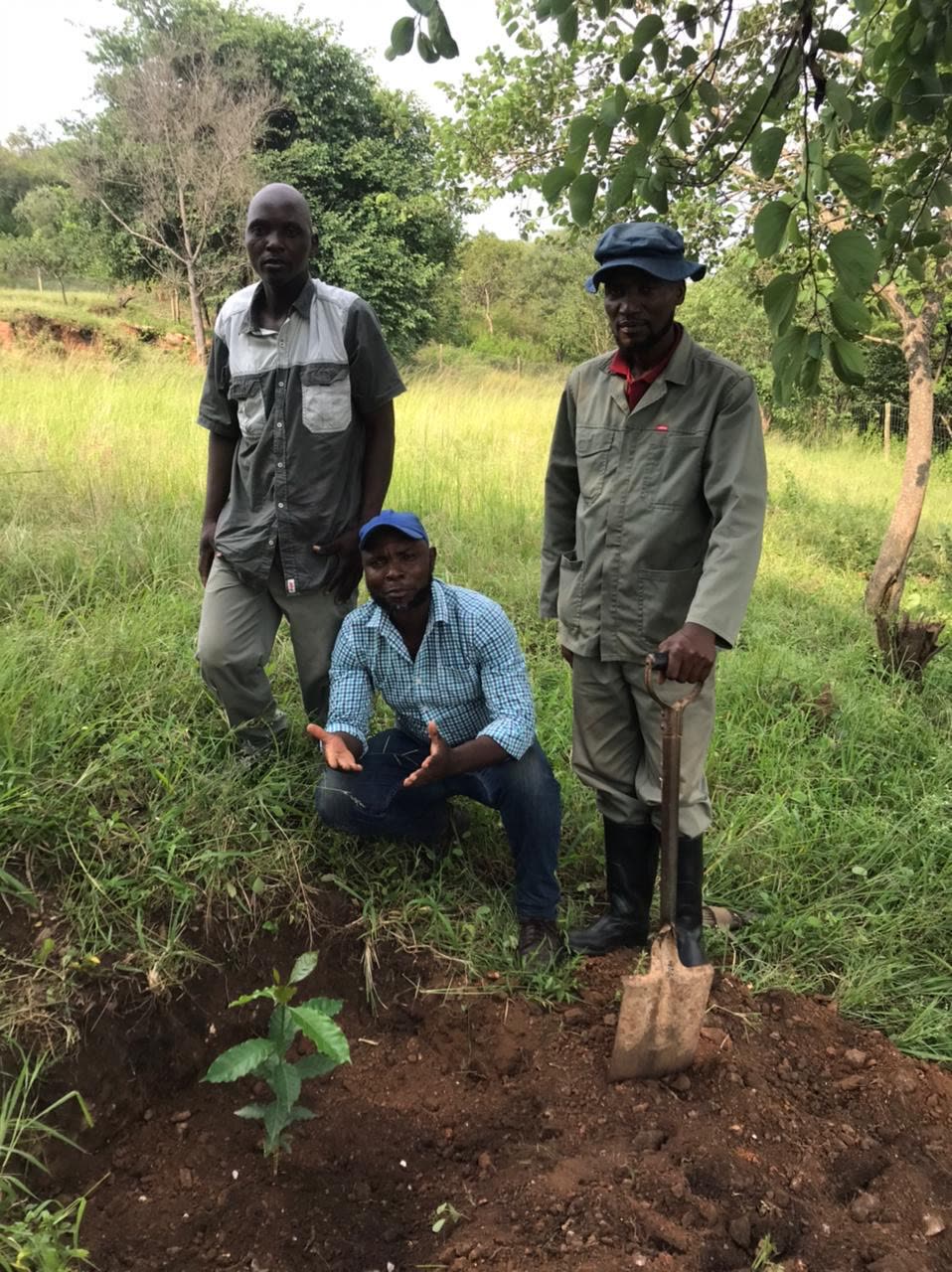
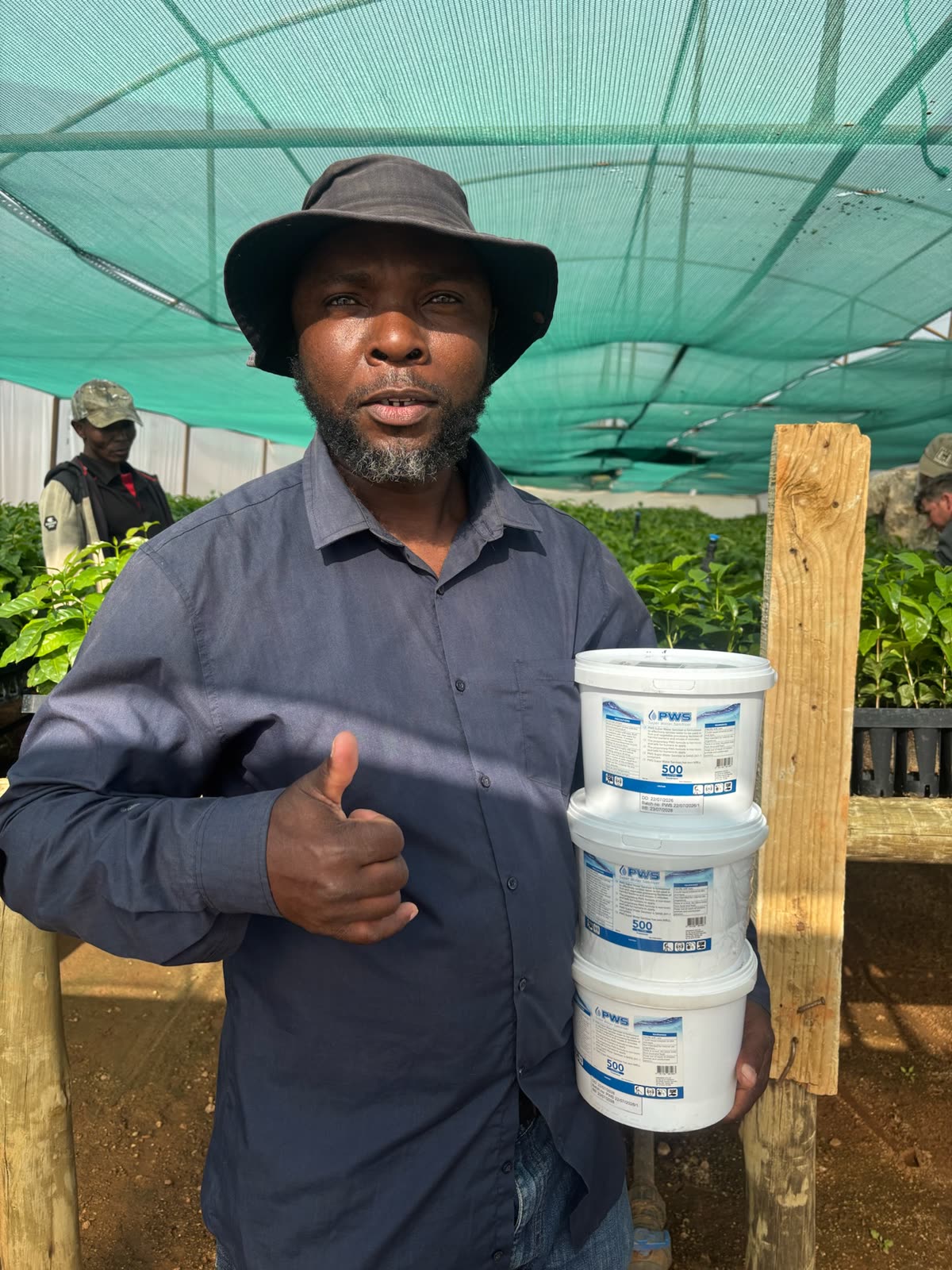
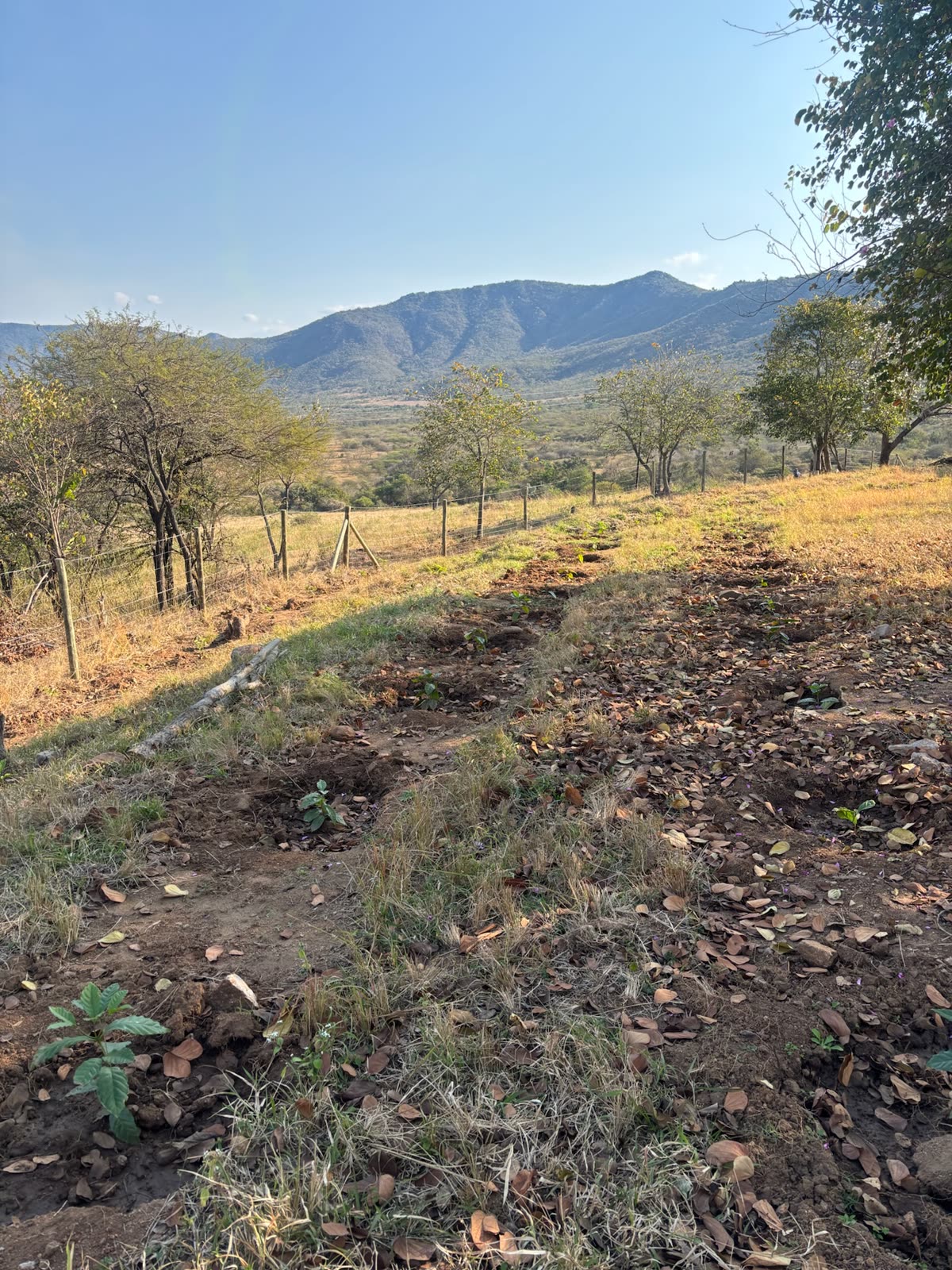
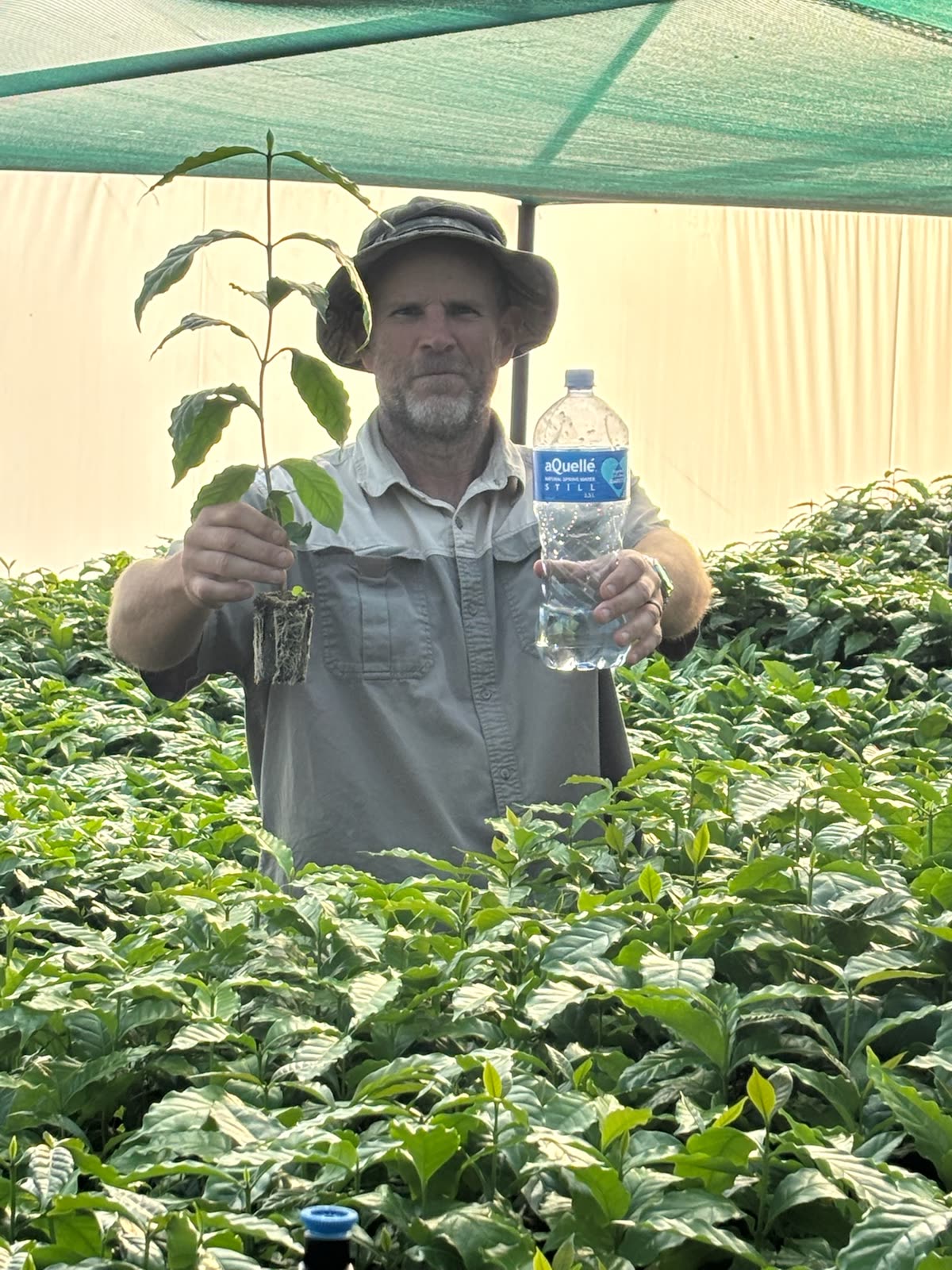
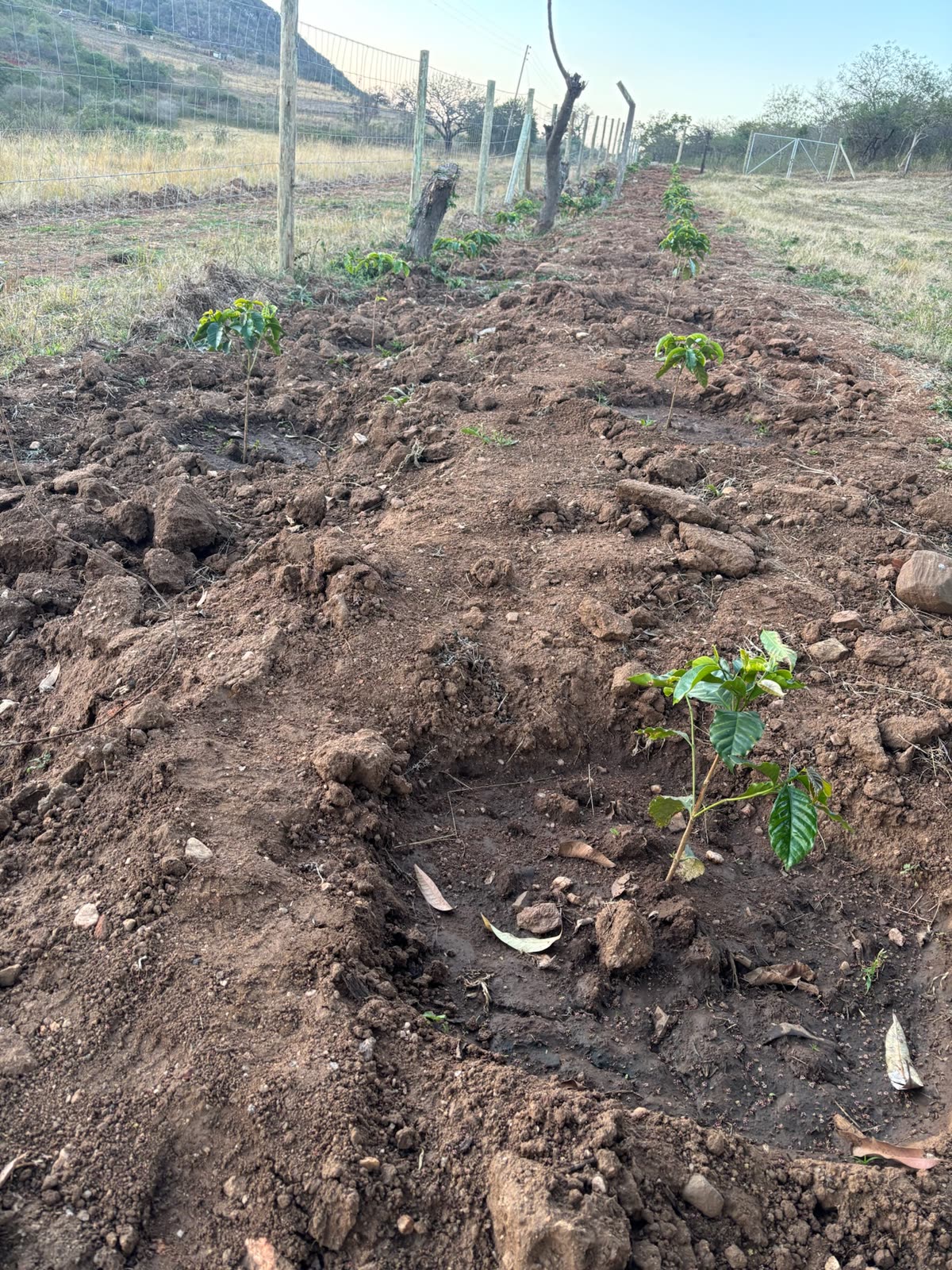
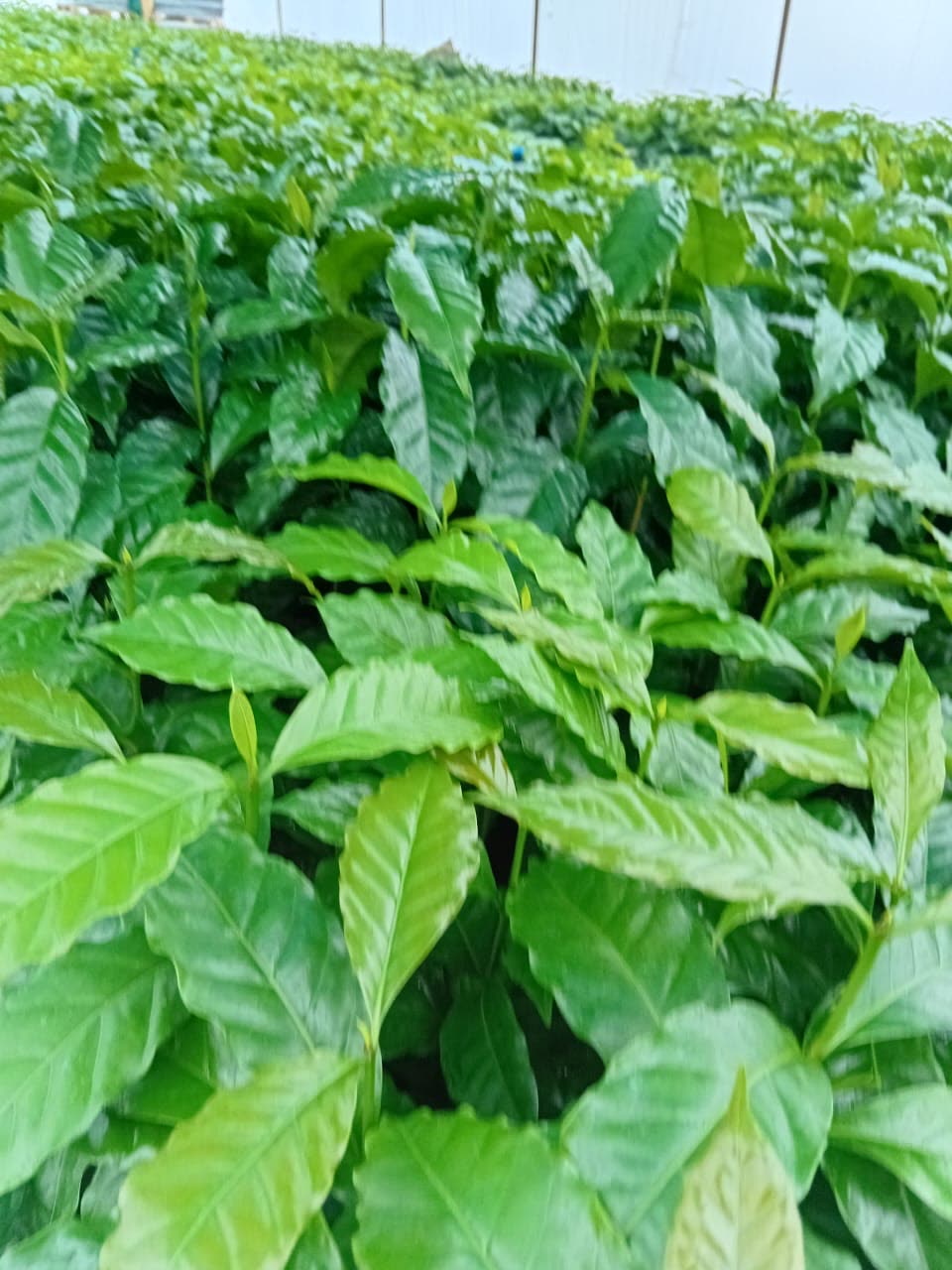
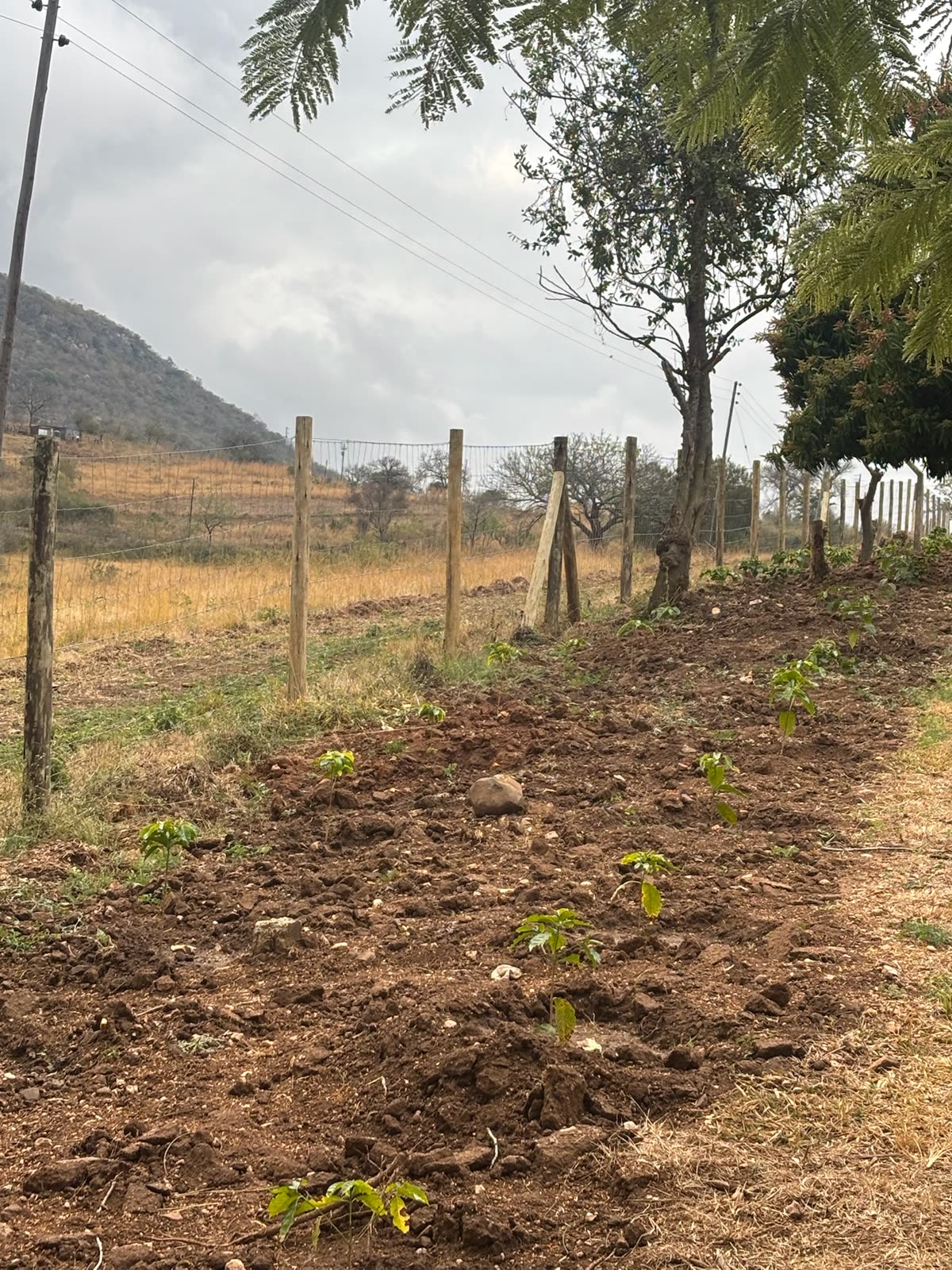
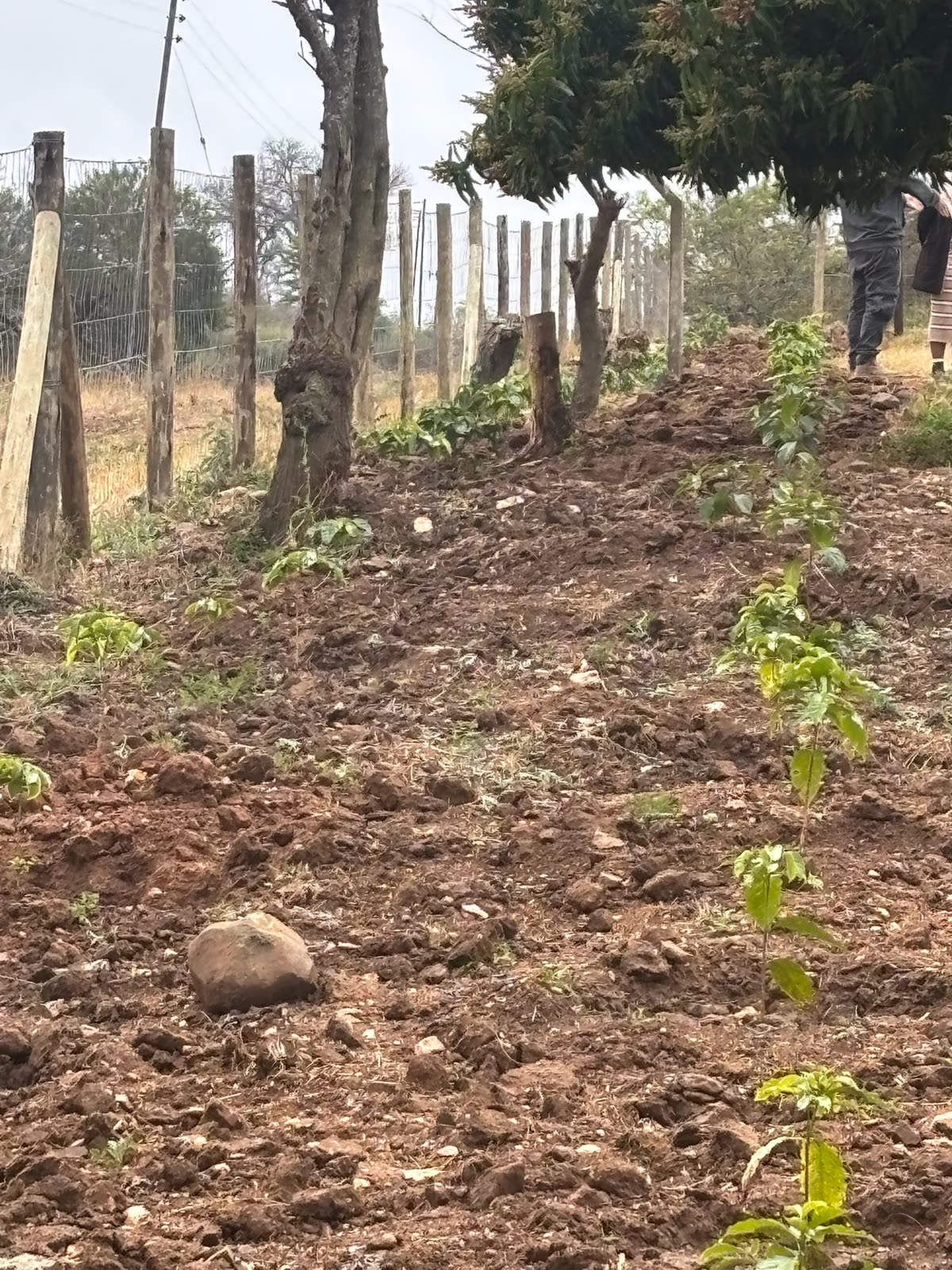
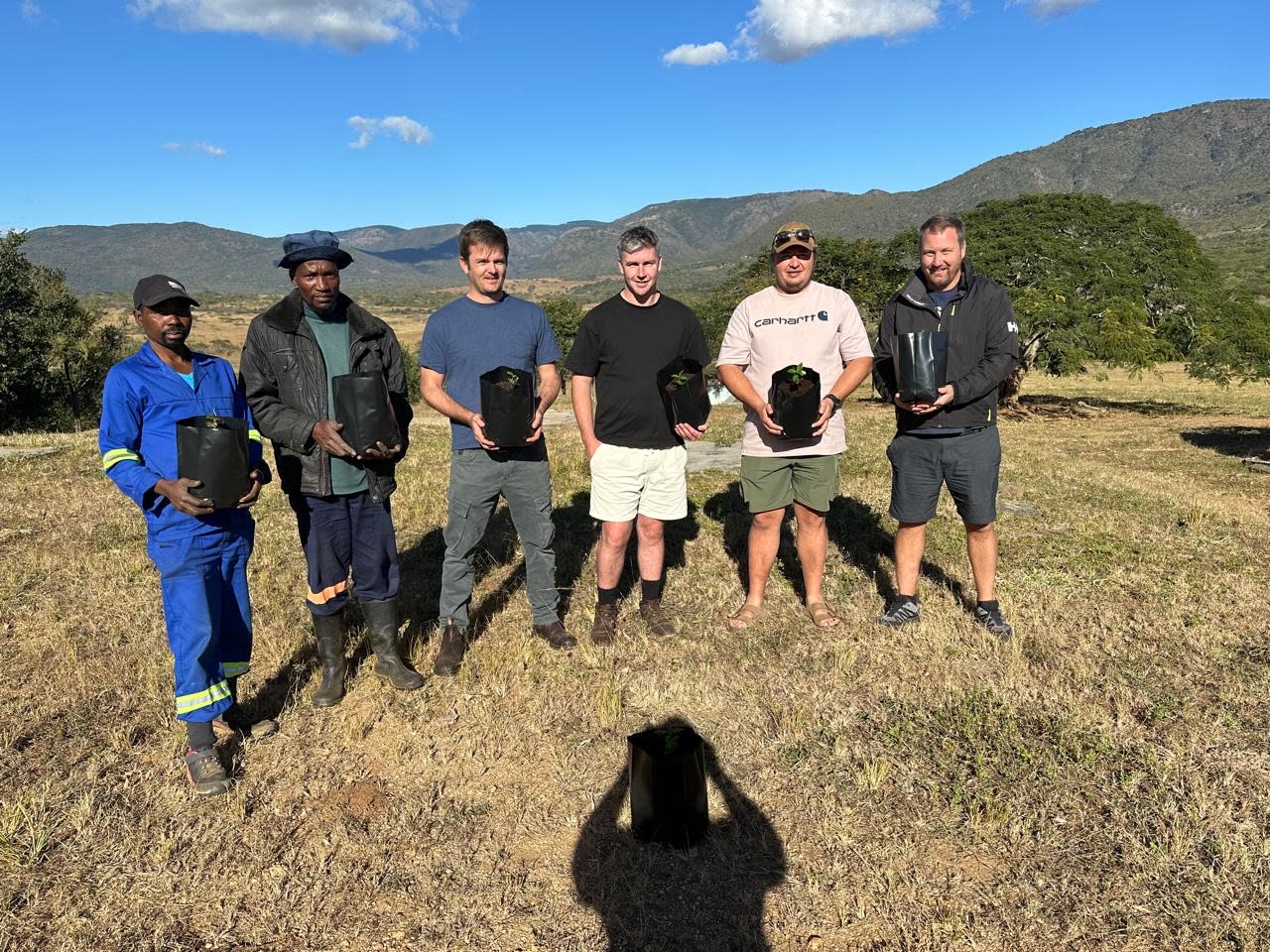
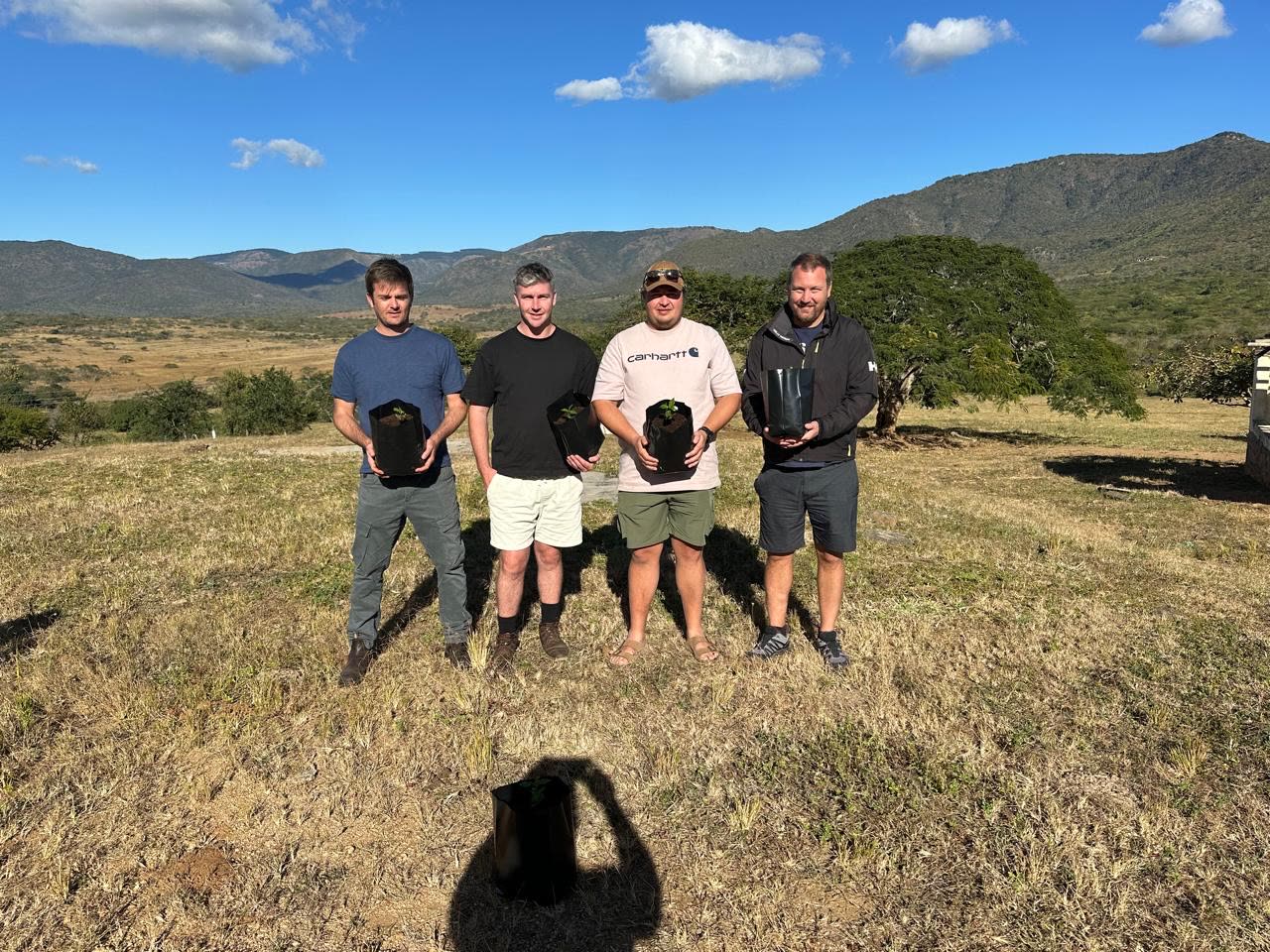
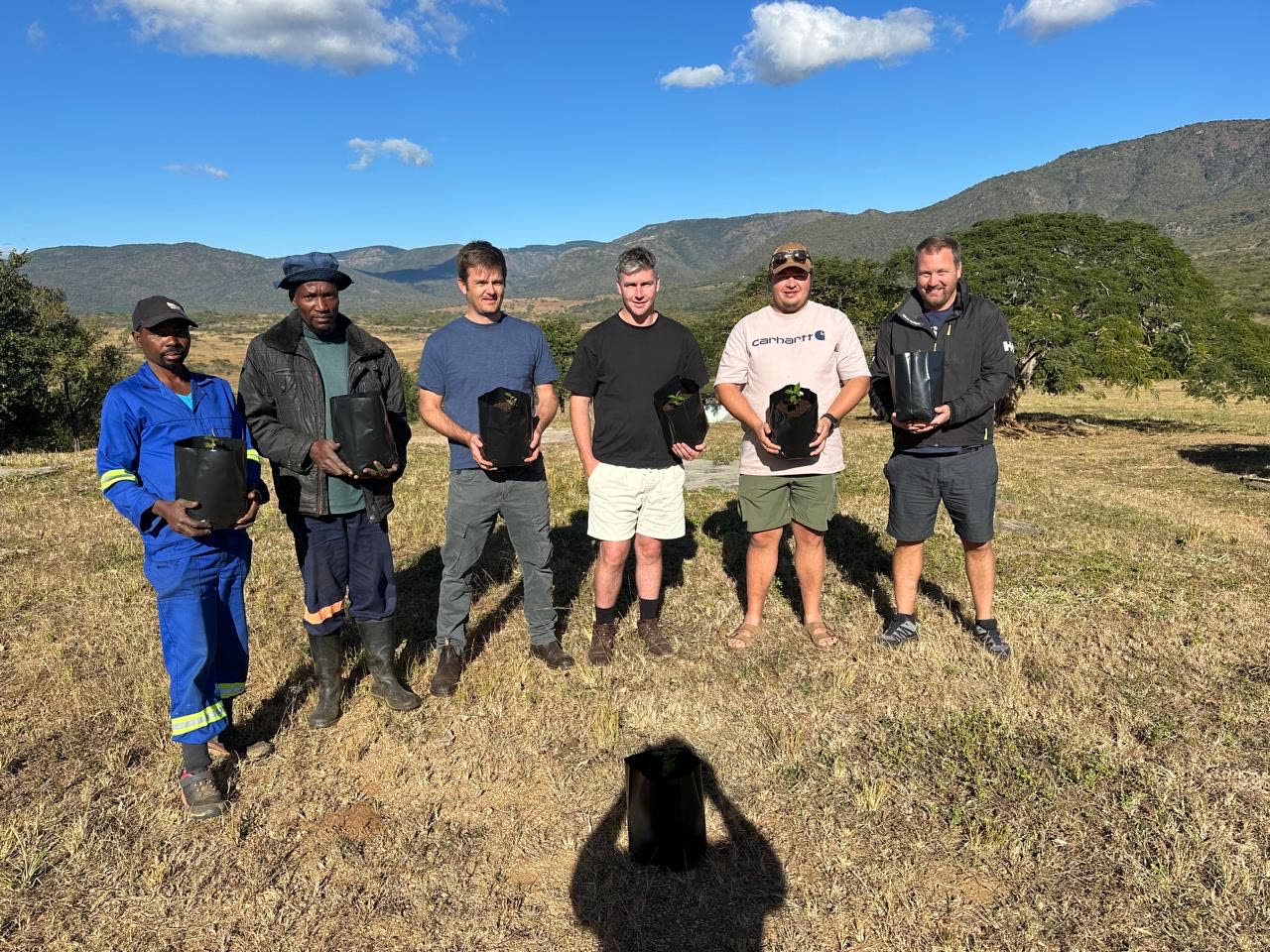
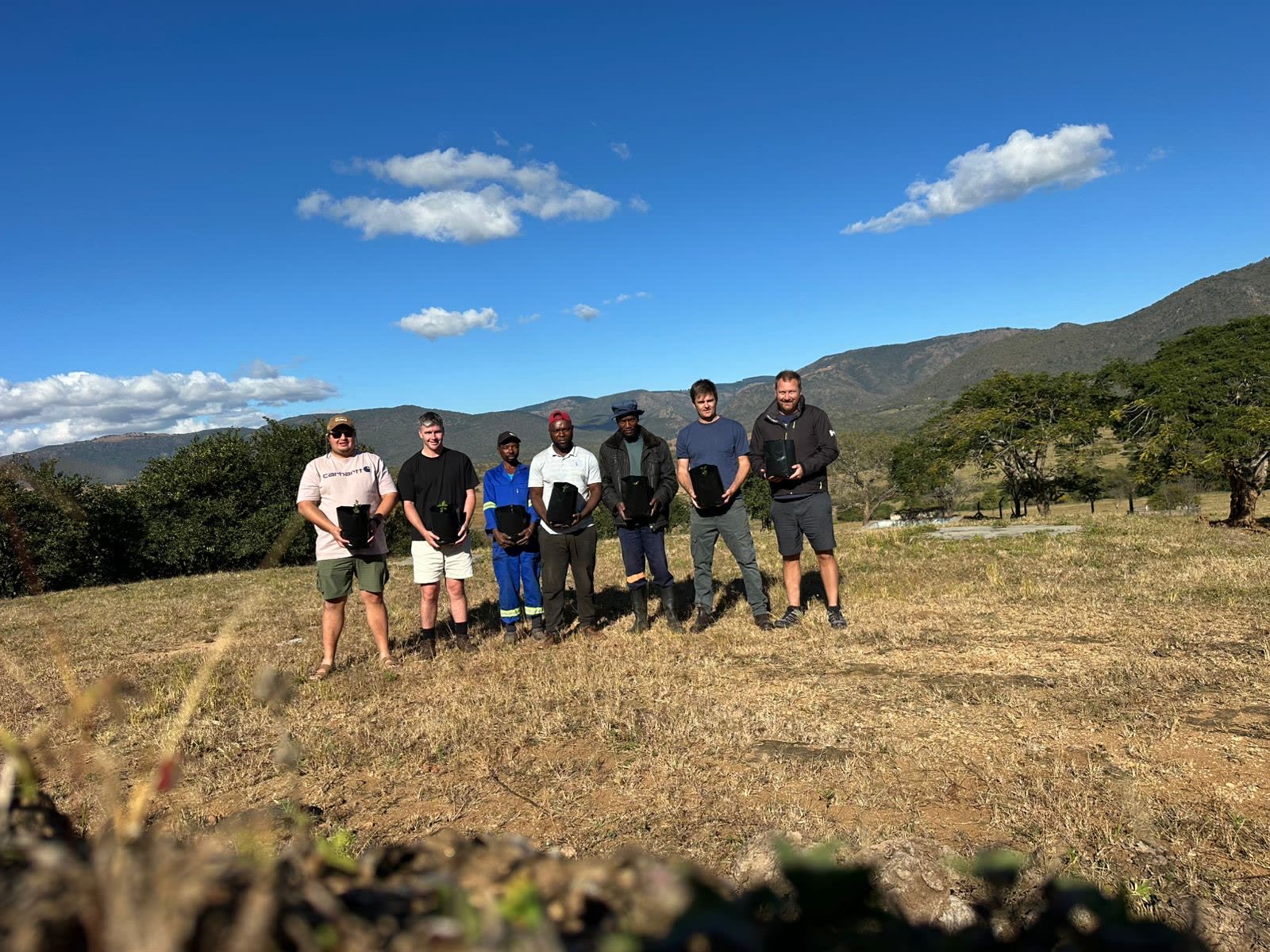
By late August, the nursery canopy had closed into deep, healthy green. Strong root plugs, uniform trays and hands-on plant checks show the crop moving beyond propagation towards field establishment. Young trees were also being set into prepared ground—an important transition from protected nursery care to permanent planting.

View archive images
A full nursery and the next move into the field at Grand Valley Farm 588
14 photographs · 8 video notes

Reading the leaves

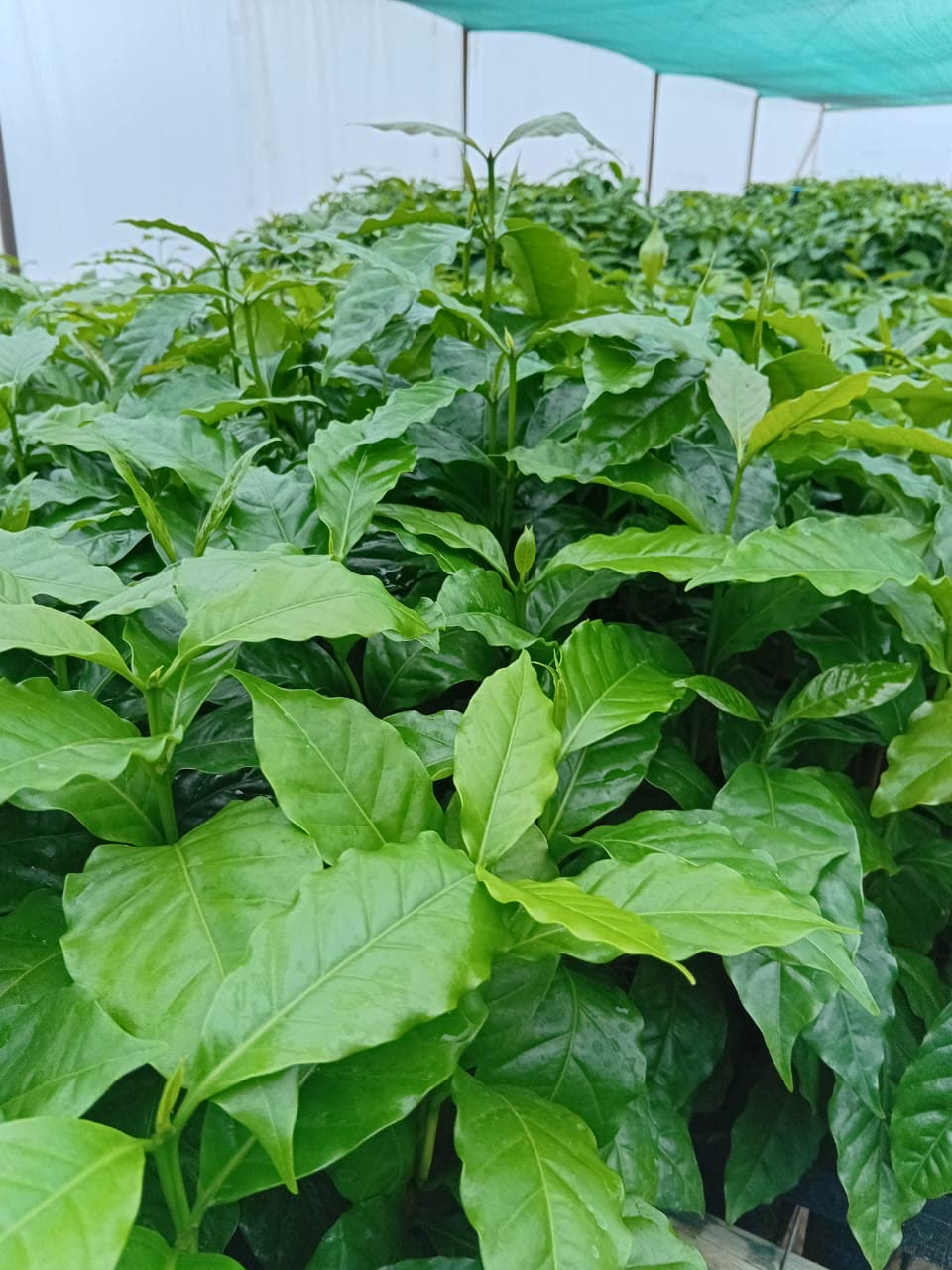
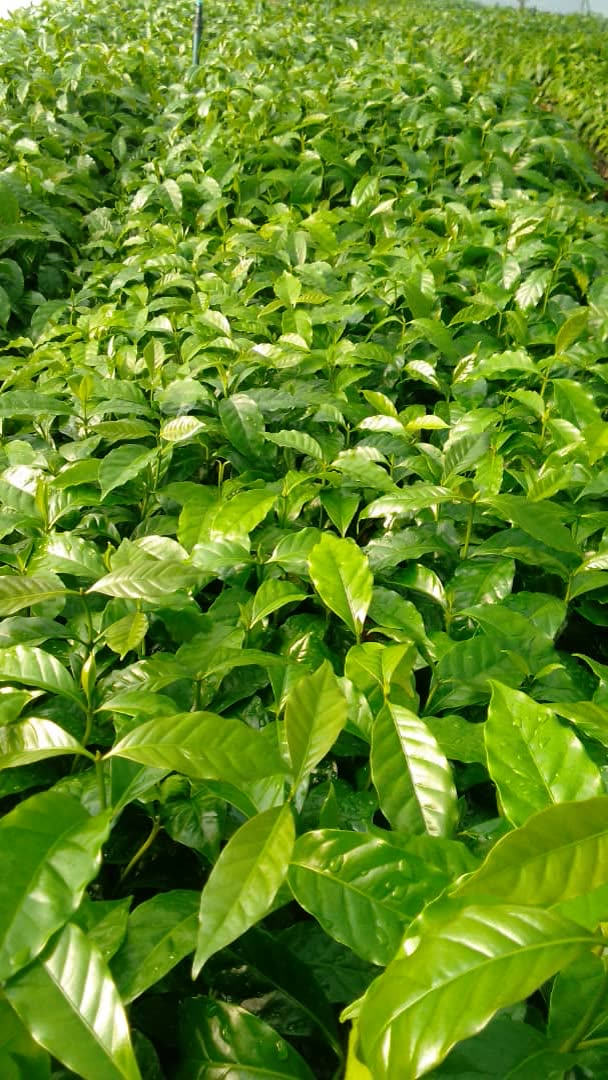
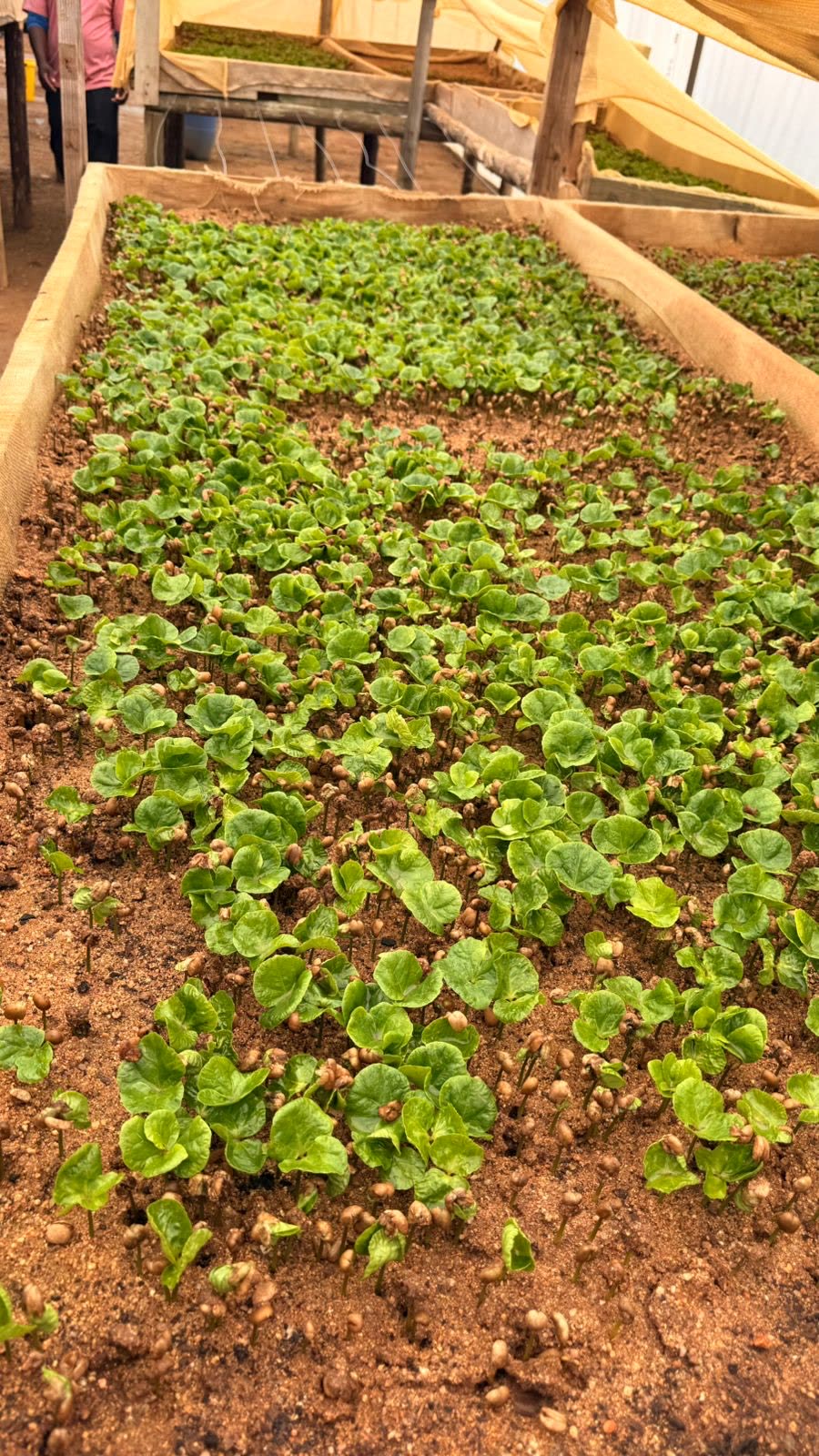
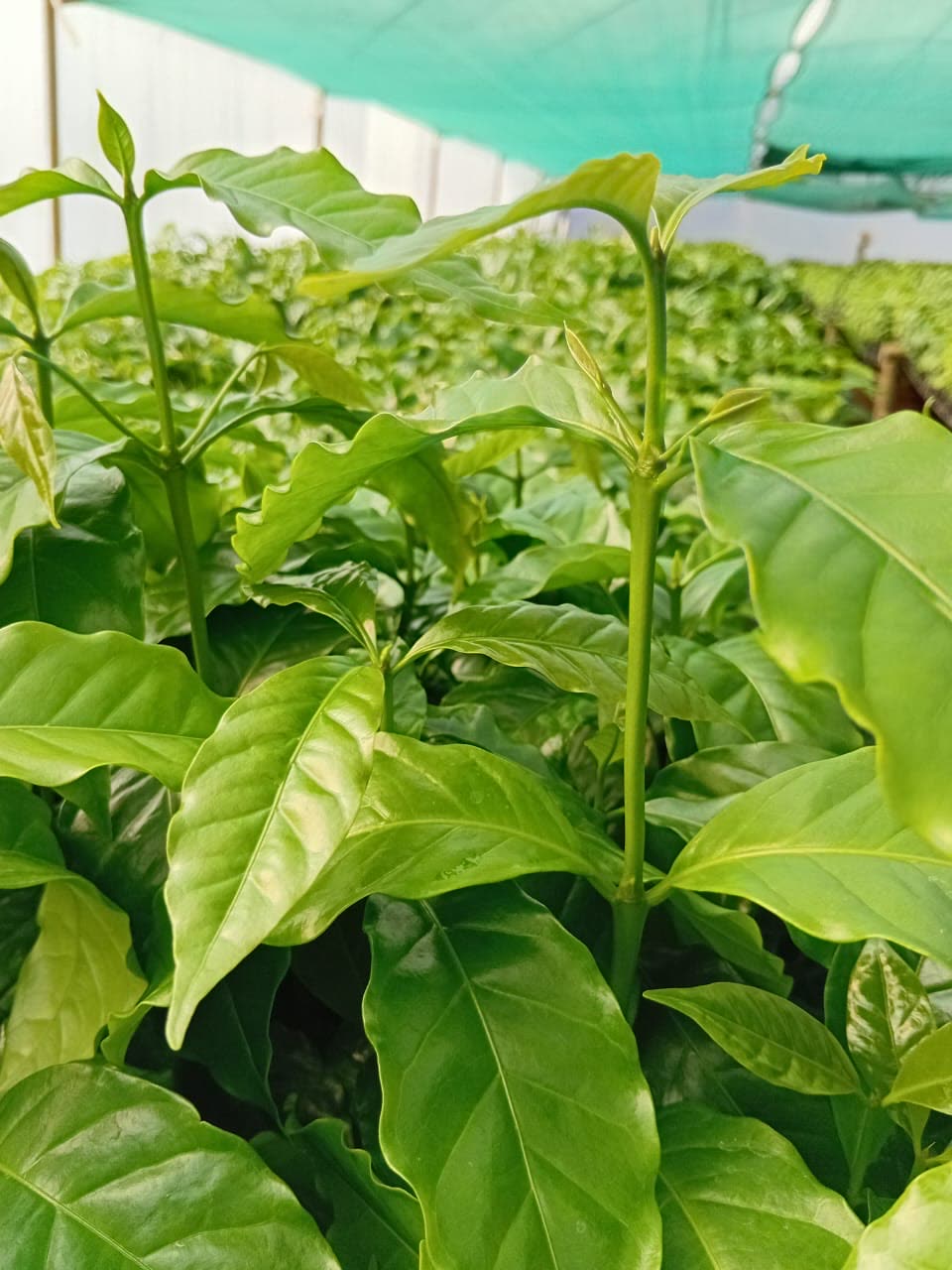
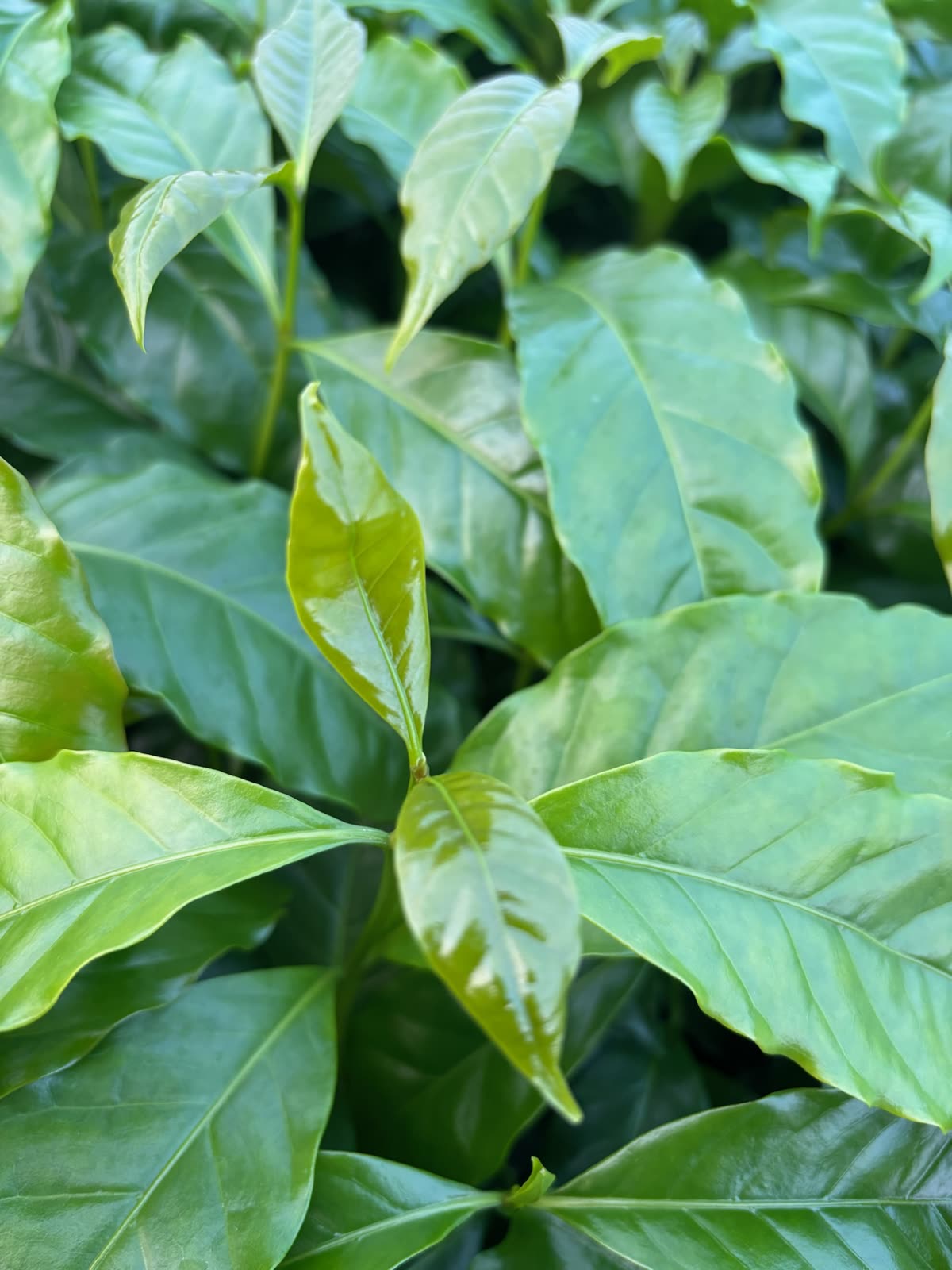
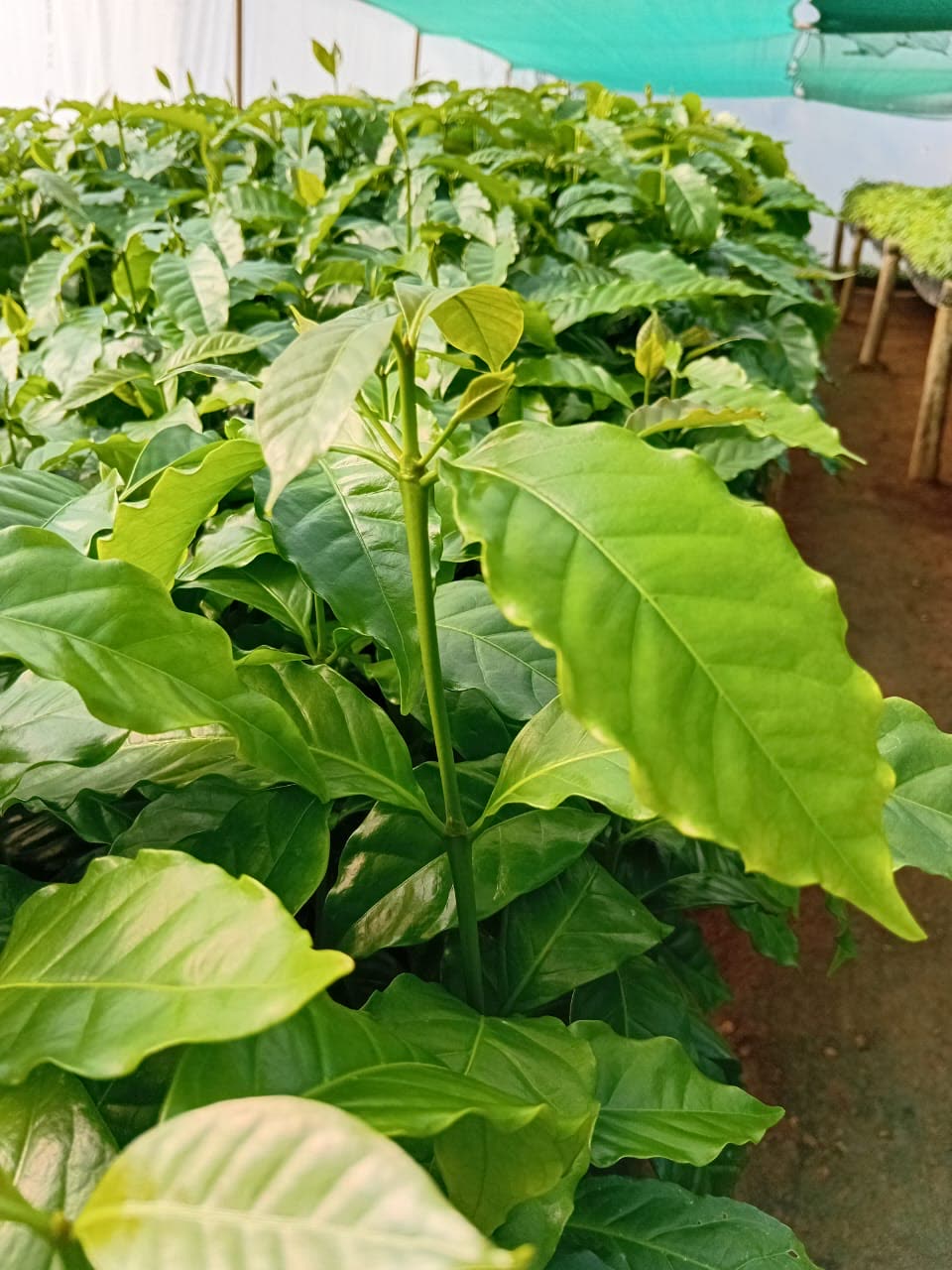
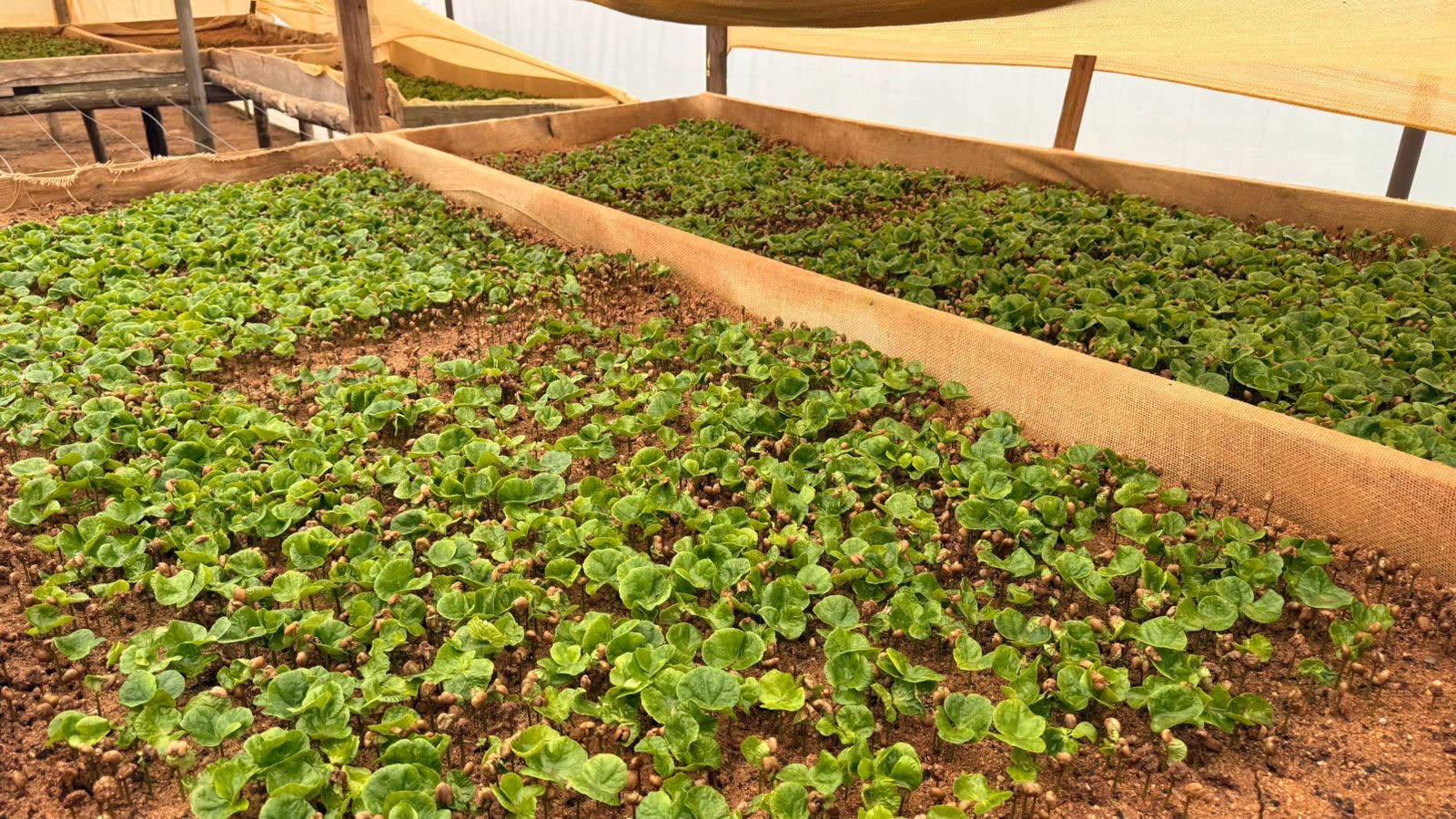
Close-up records capture a dense, even canopy and the leaf condition of the developing coffee plants. These routine observations matter: colour, new growth and consistency across the beds help the team make timely decisions about water, nutrition, shade and plant selection.

View archive images
Reading the leaves at Grand Valley Farm 588
6 photographs

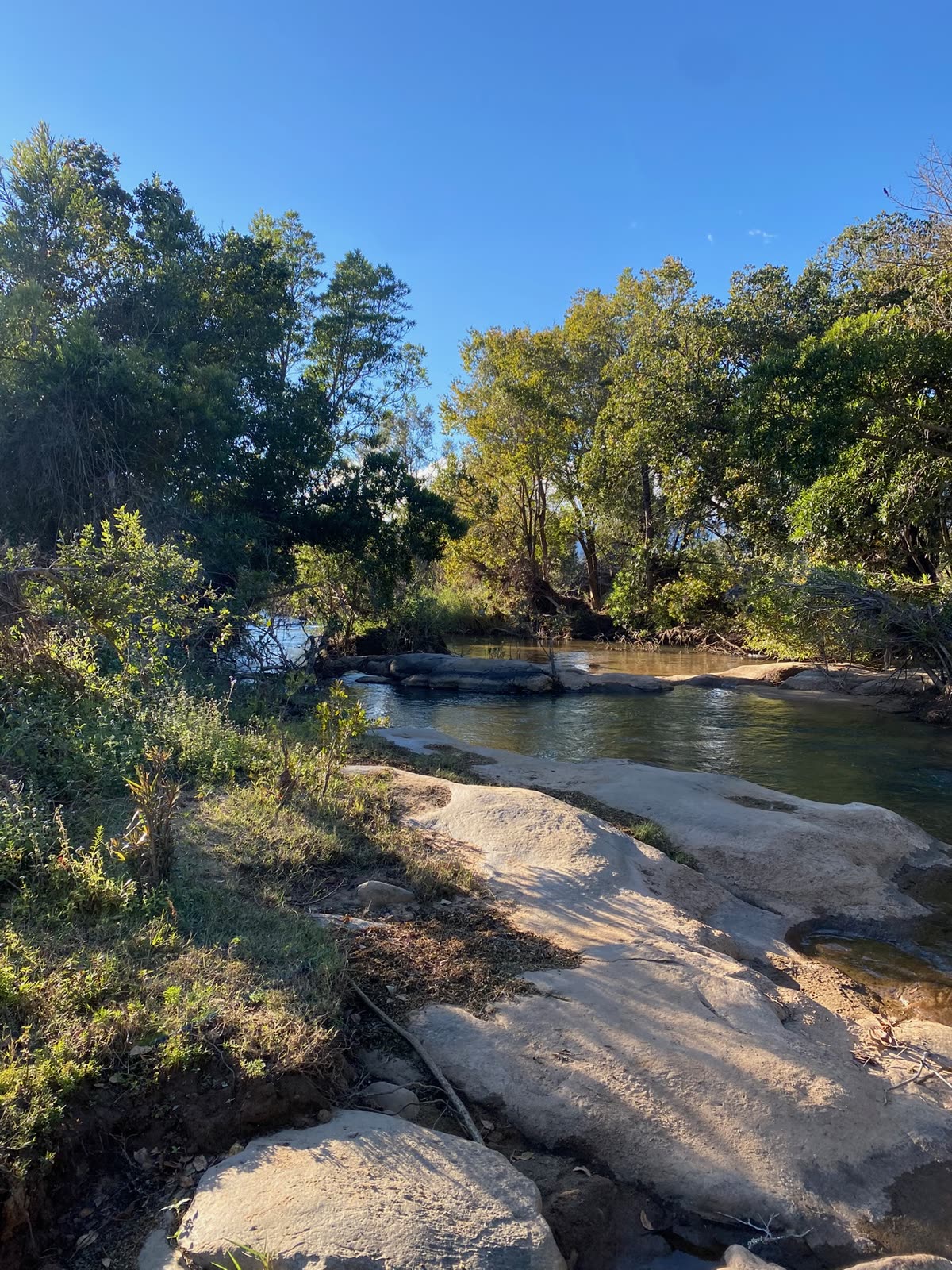
Water, land and young trees

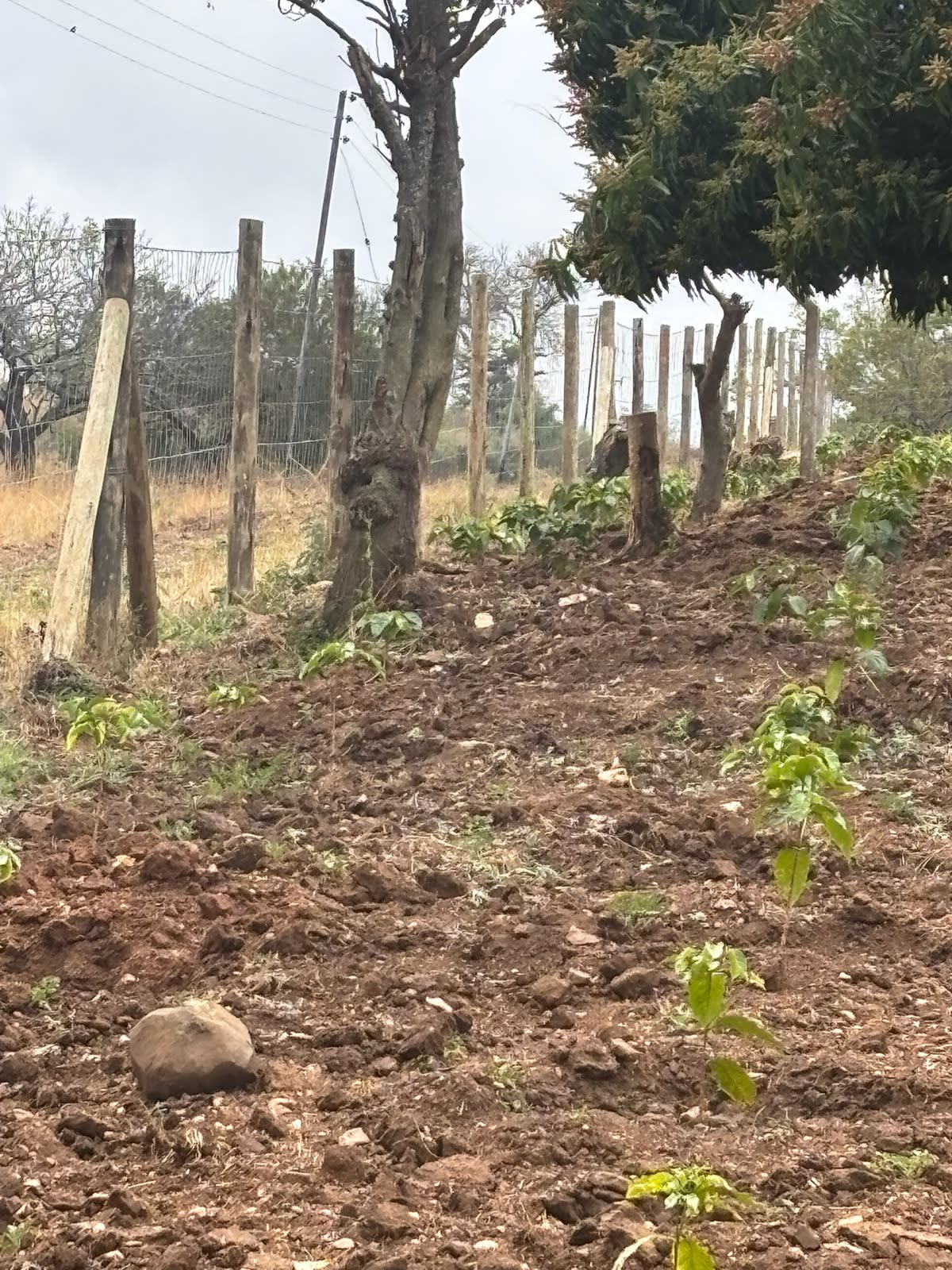
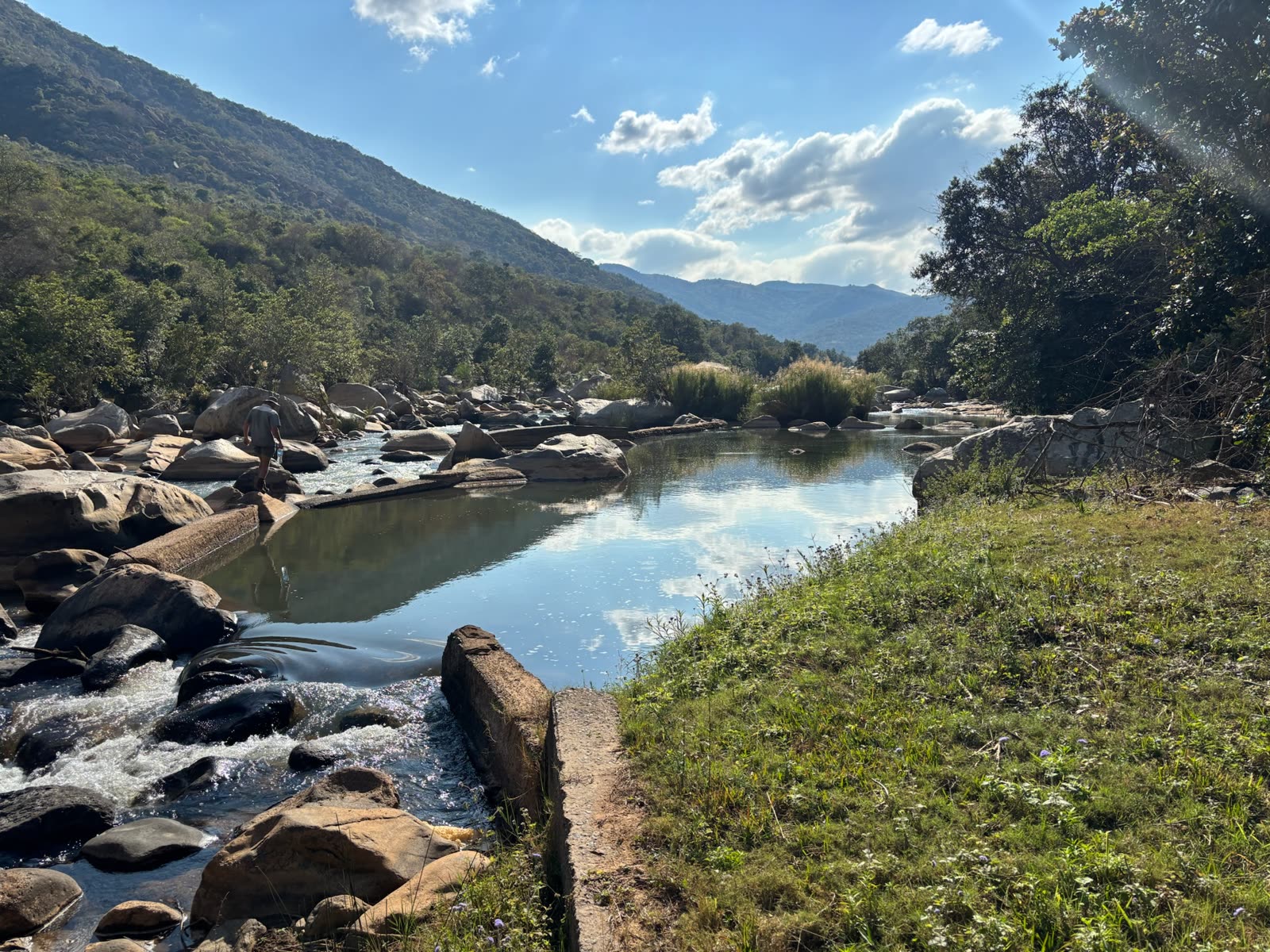
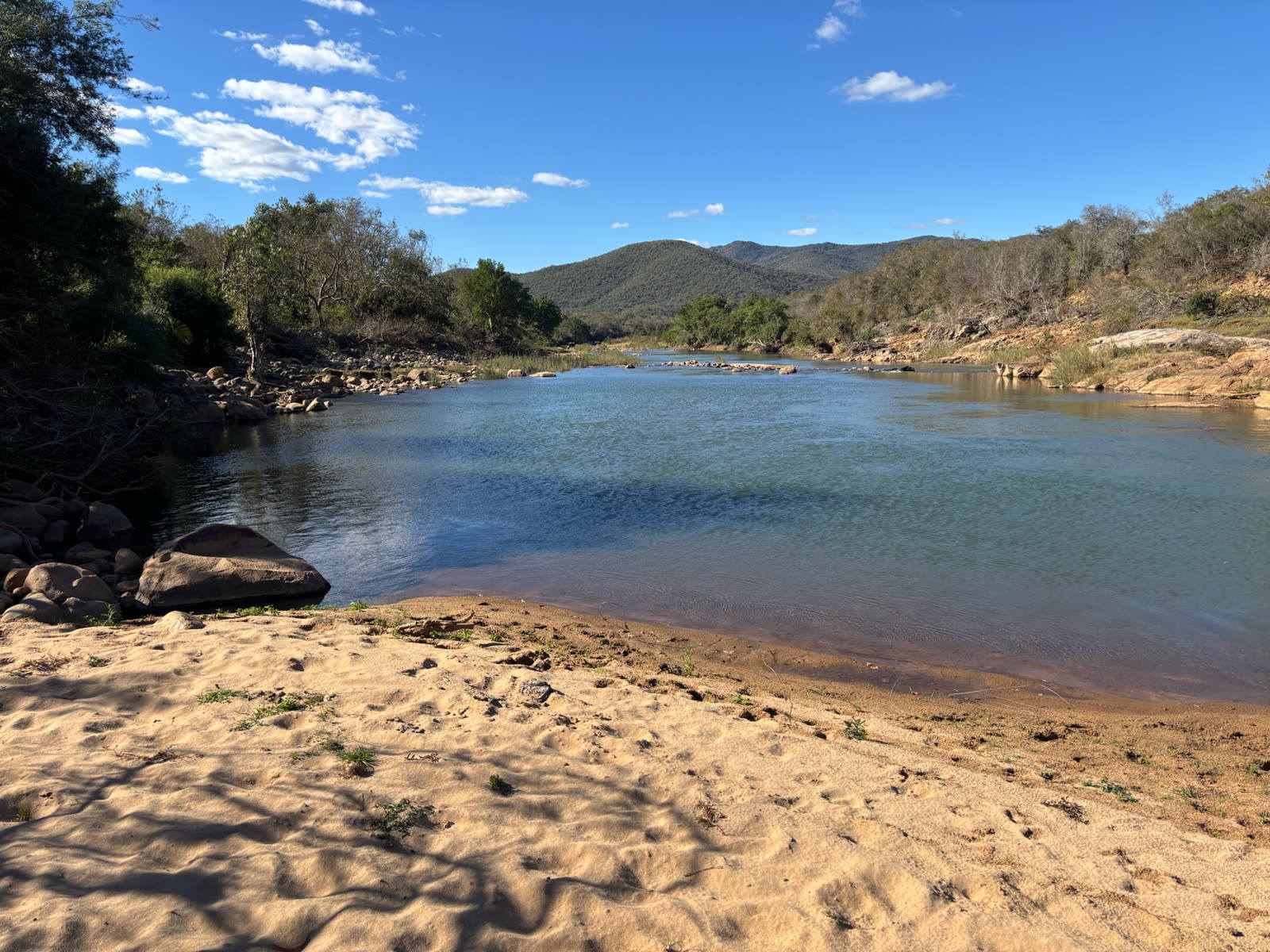
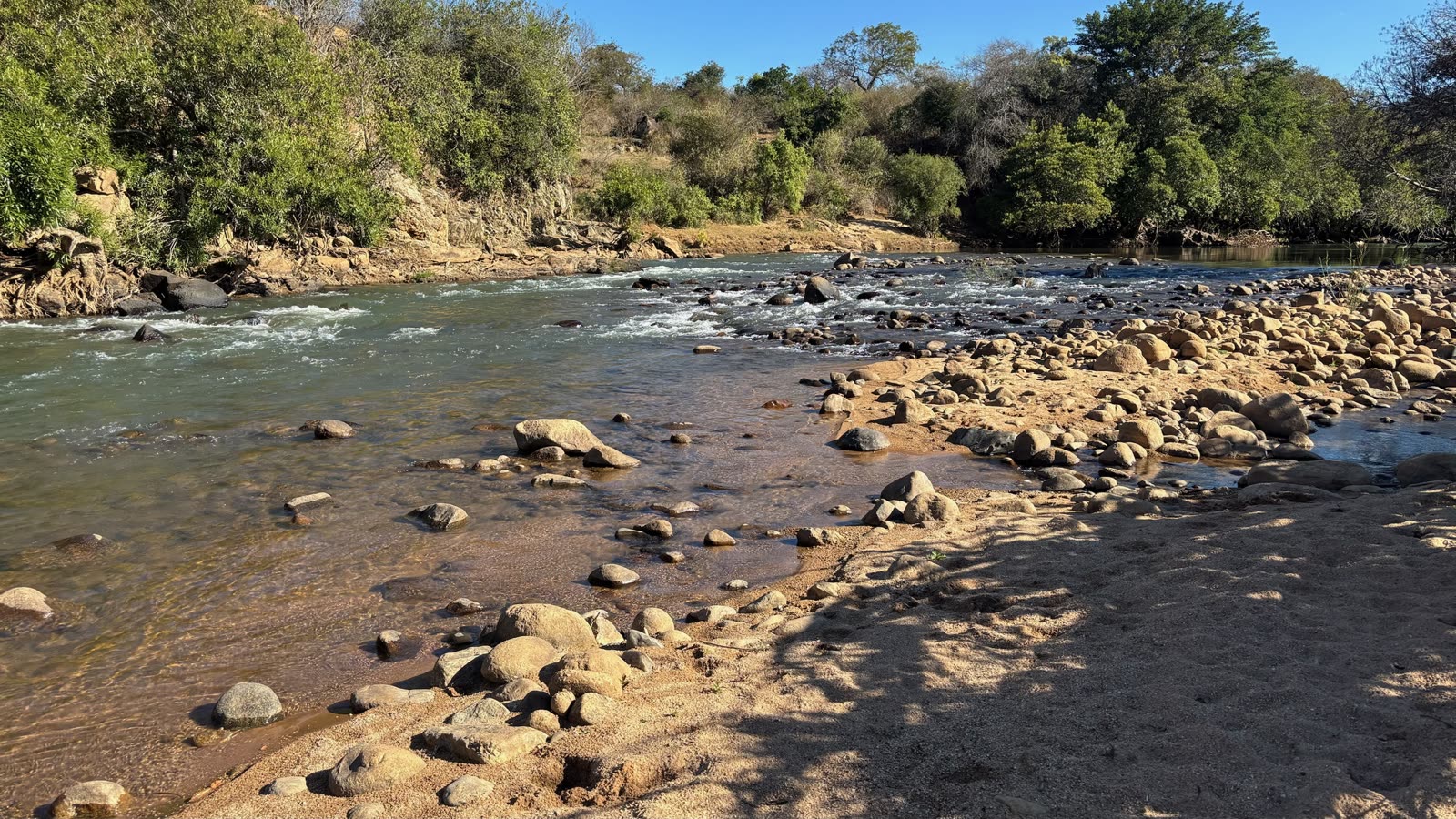
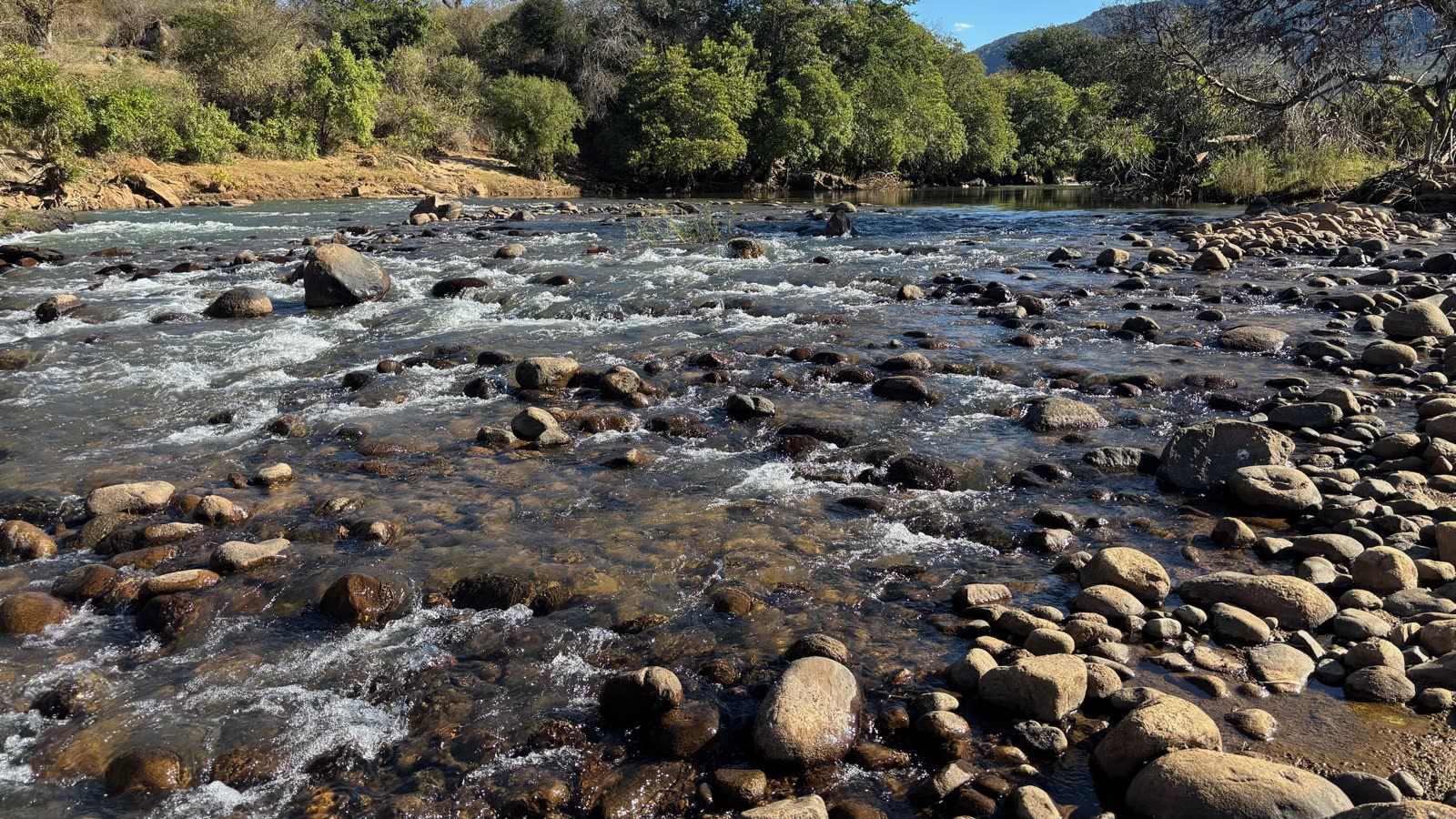
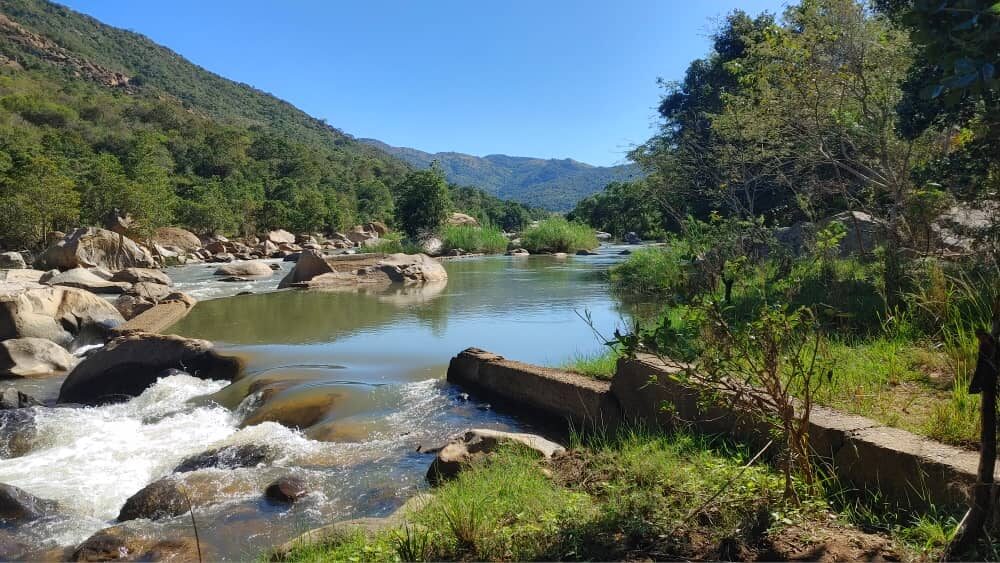
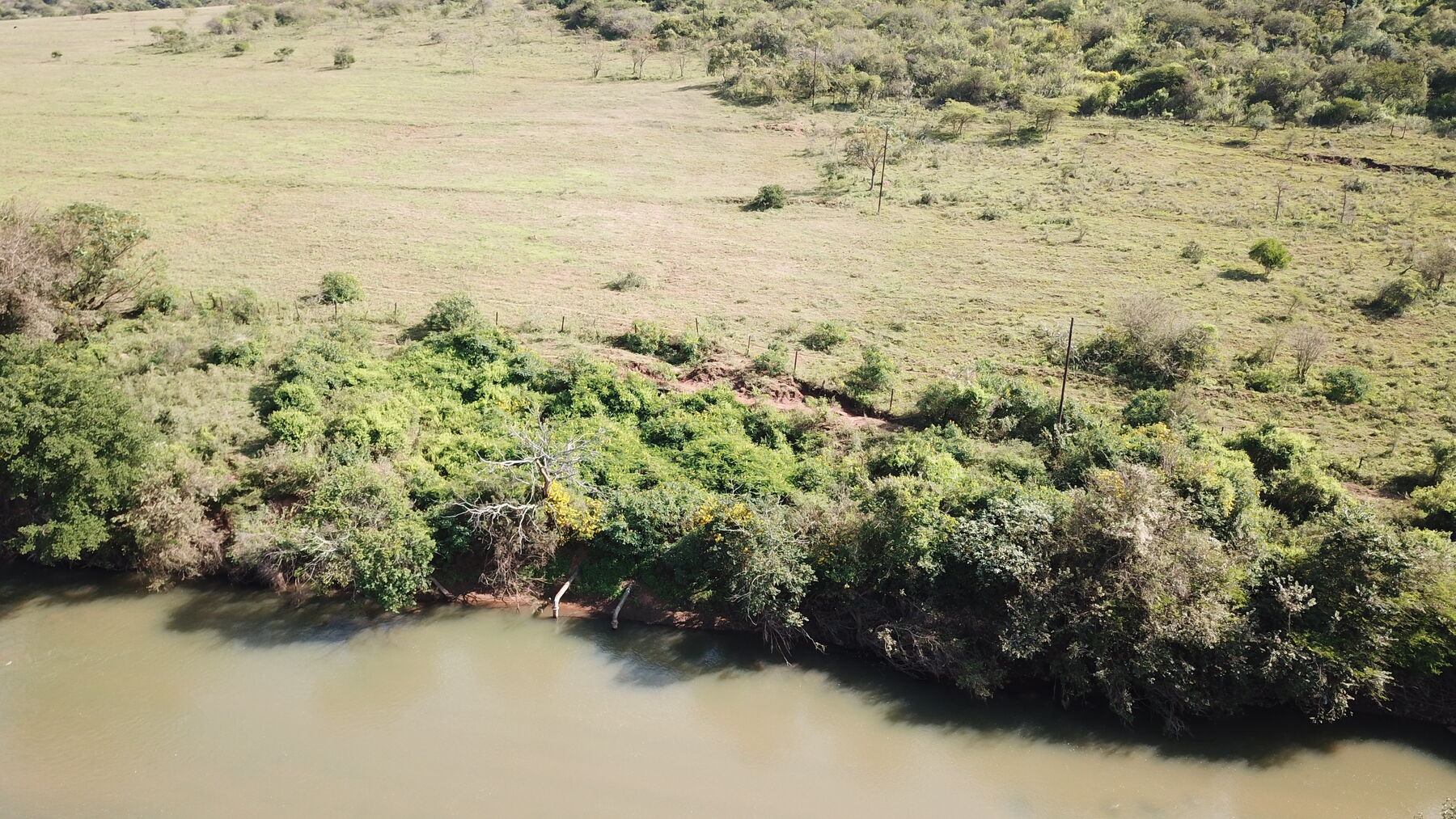
The August record connects three essentials: the farm's reliable water source, prepared planting areas and young coffee trees beginning life in the field. The photographs also show the varied terrain that will shape planting layouts and day-to-day crop management.

View archive images
Water, land and young trees at Grand Valley Farm 588
6 photographs

Turning the farm plan into a working layout

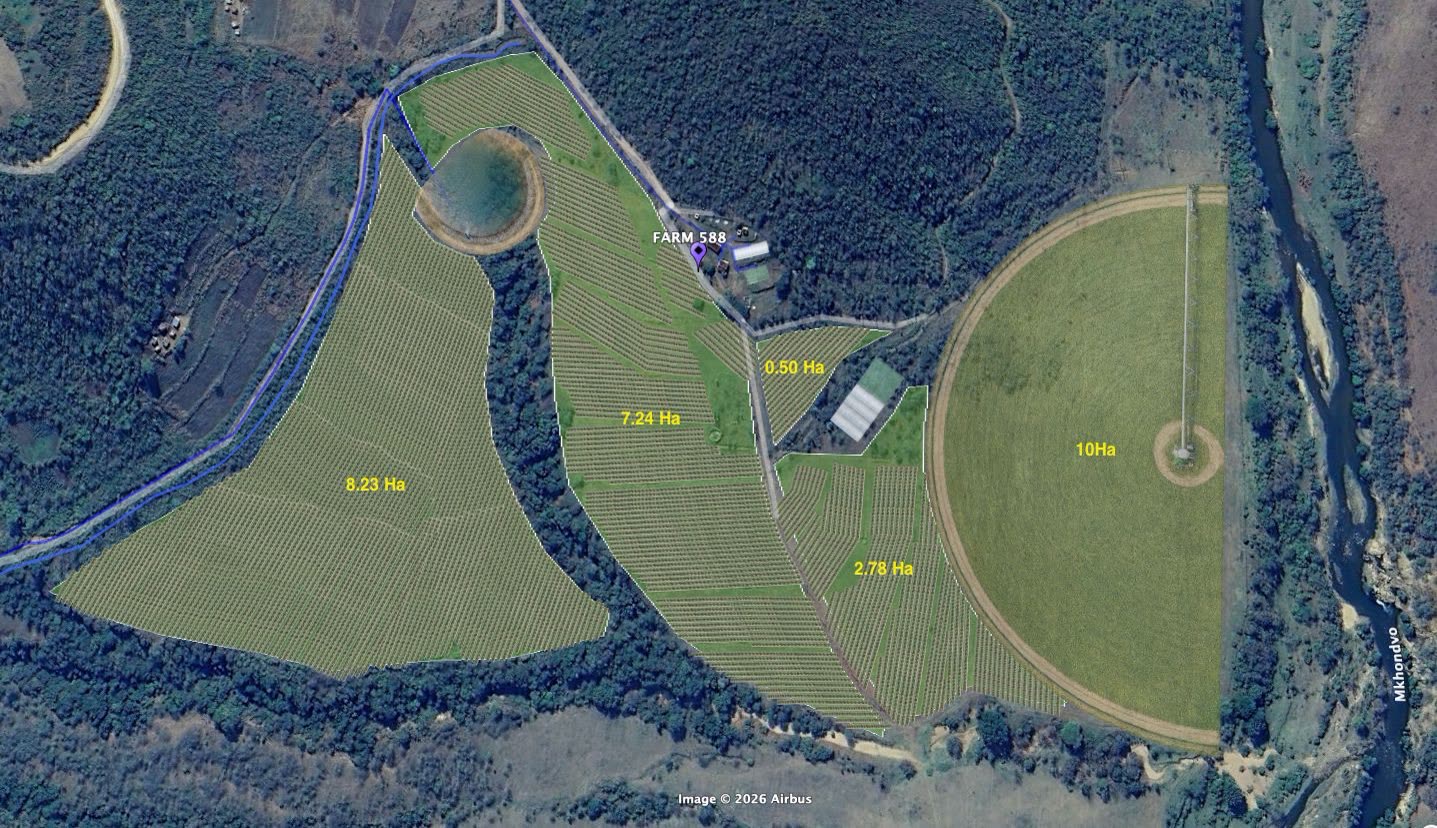
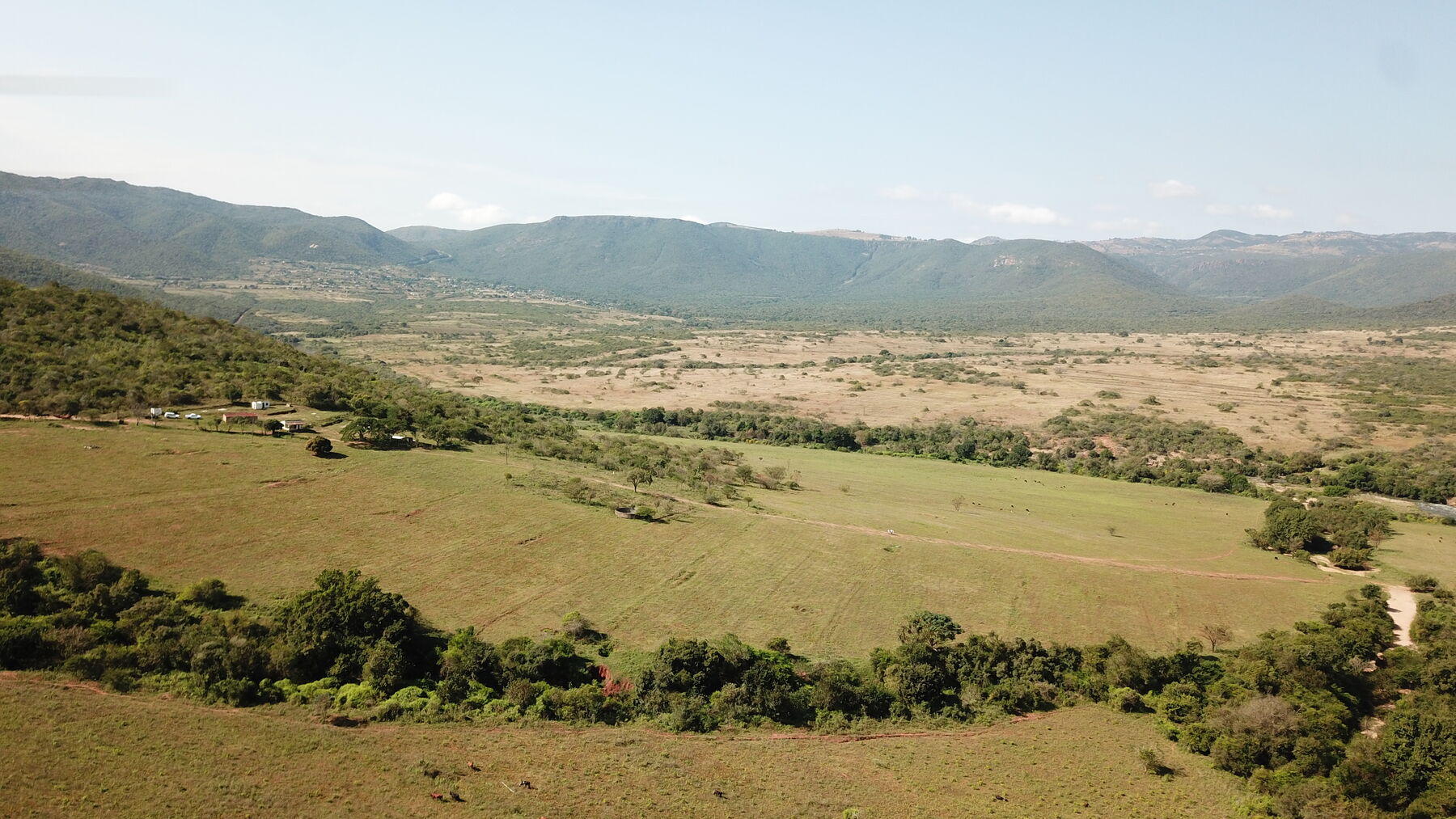
An aerial planning view brings the wider project into focus: growing areas, access, water and nursery infrastructure considered as one connected agricultural system. It is the bridge between individual nursery tasks and the long-range development of Farm 588.

View archive images
Turning the farm plan into a working layout at Grand Valley Farm 588
1 planning image

The canopy begins to fill

By June, the young plants were building visible leaf area and the nursery was taking on the character of a production crop. Even growth at this stage reflects the accumulated effect of seed selection, protected germination, careful transfer and regular nursery attention.

View archive images
The canopy begins to fill at Grand Valley Farm 588
1 photograph

Progress is measured by the team as well as the trees

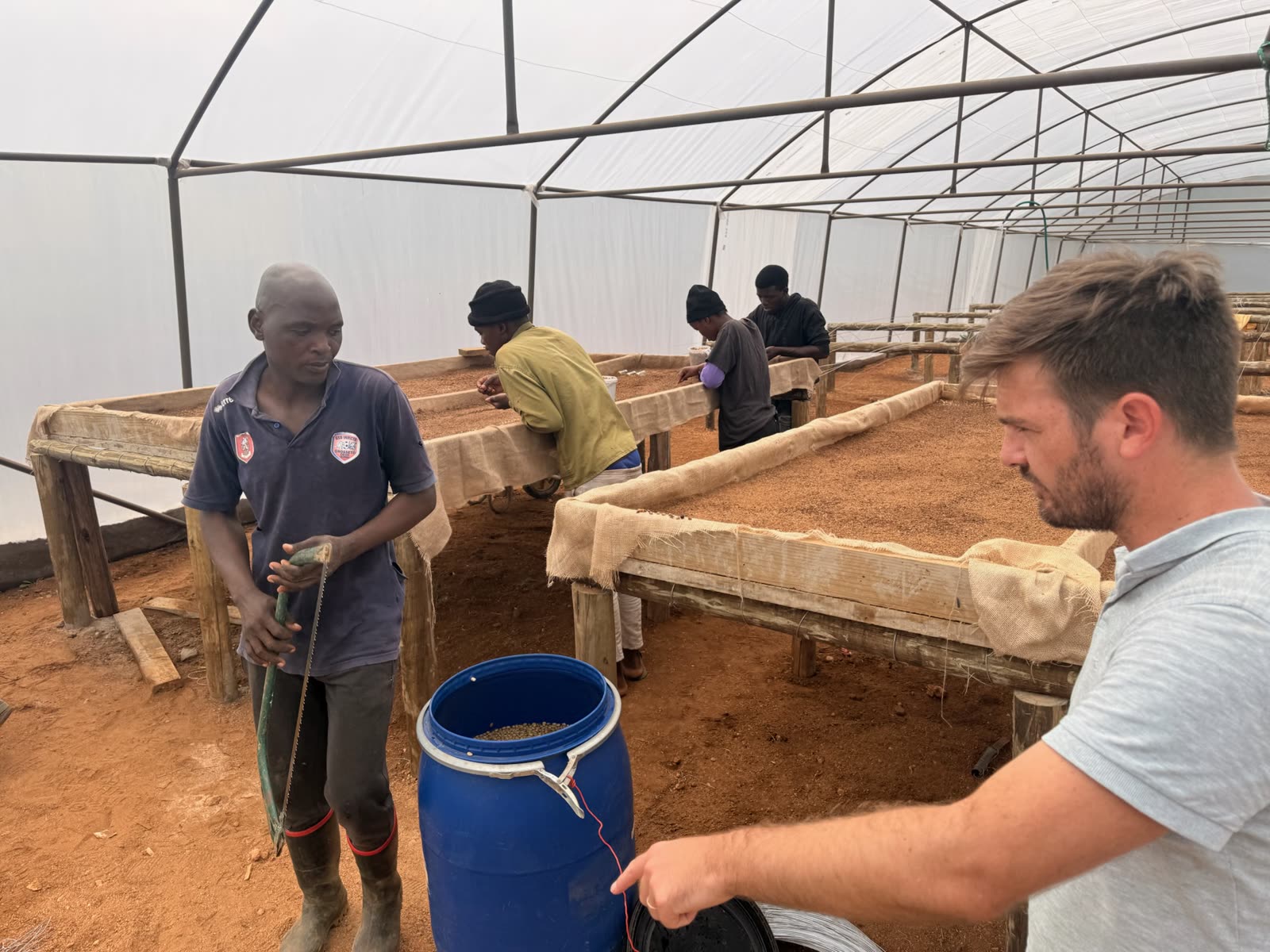
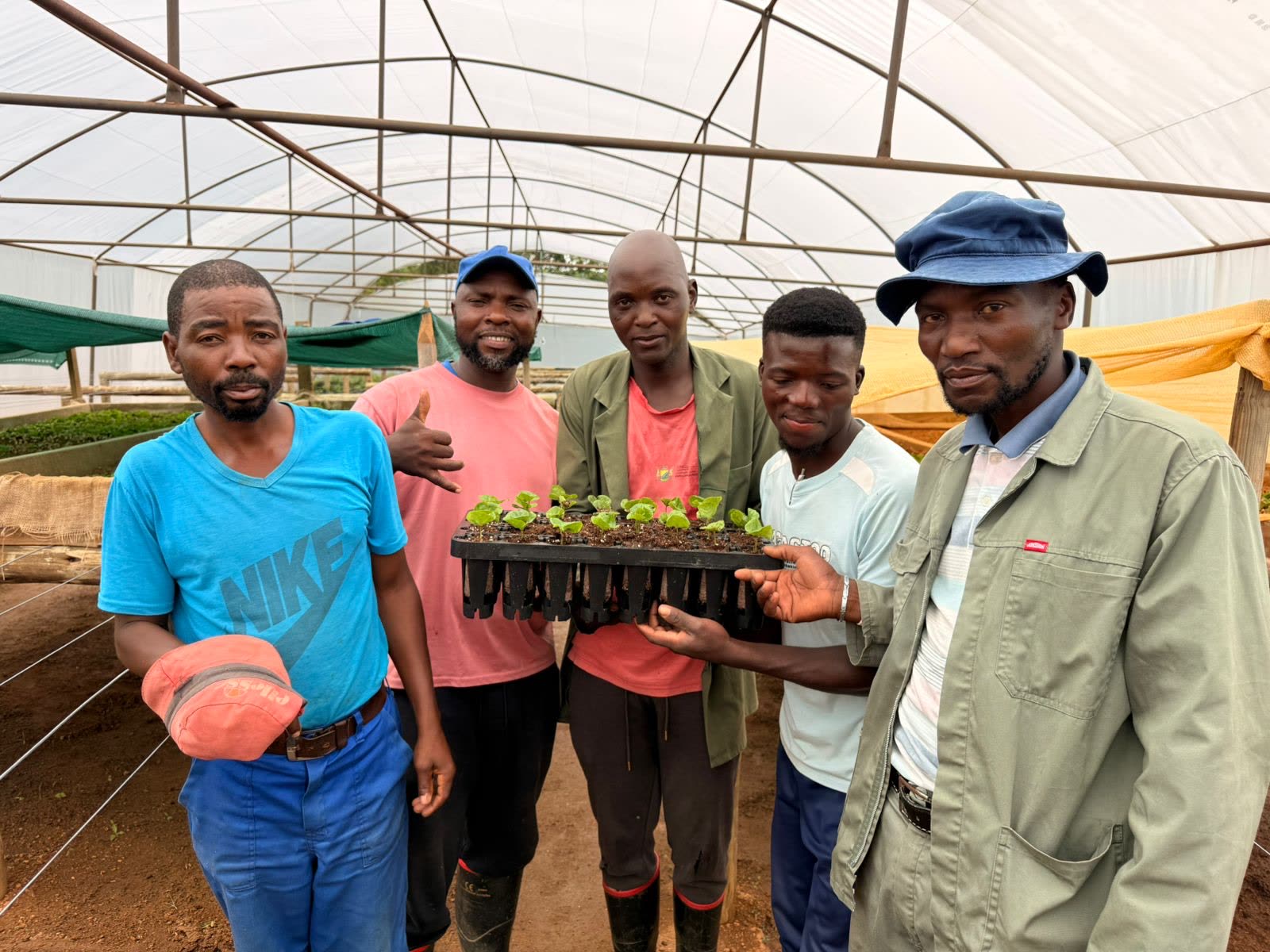
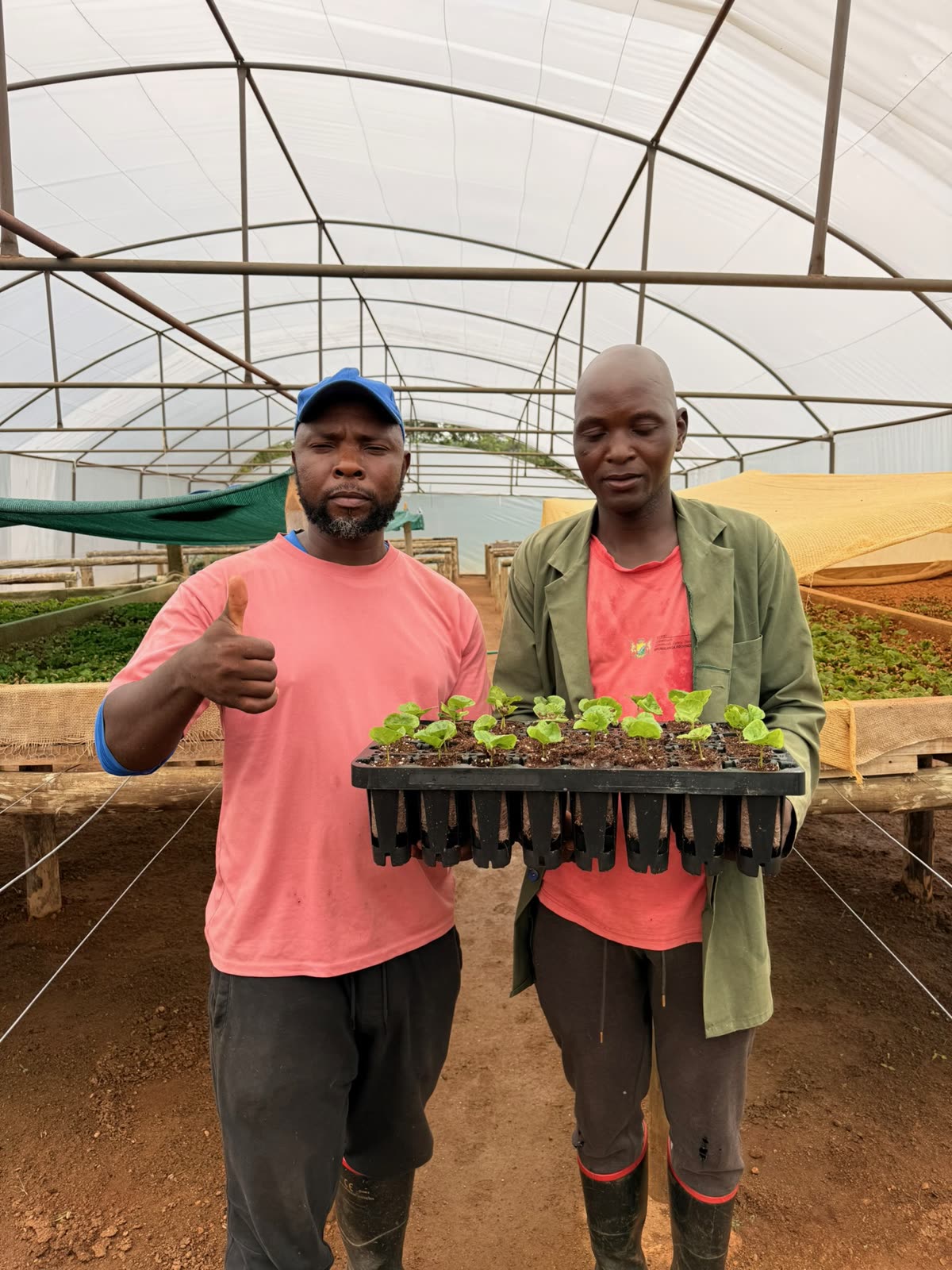
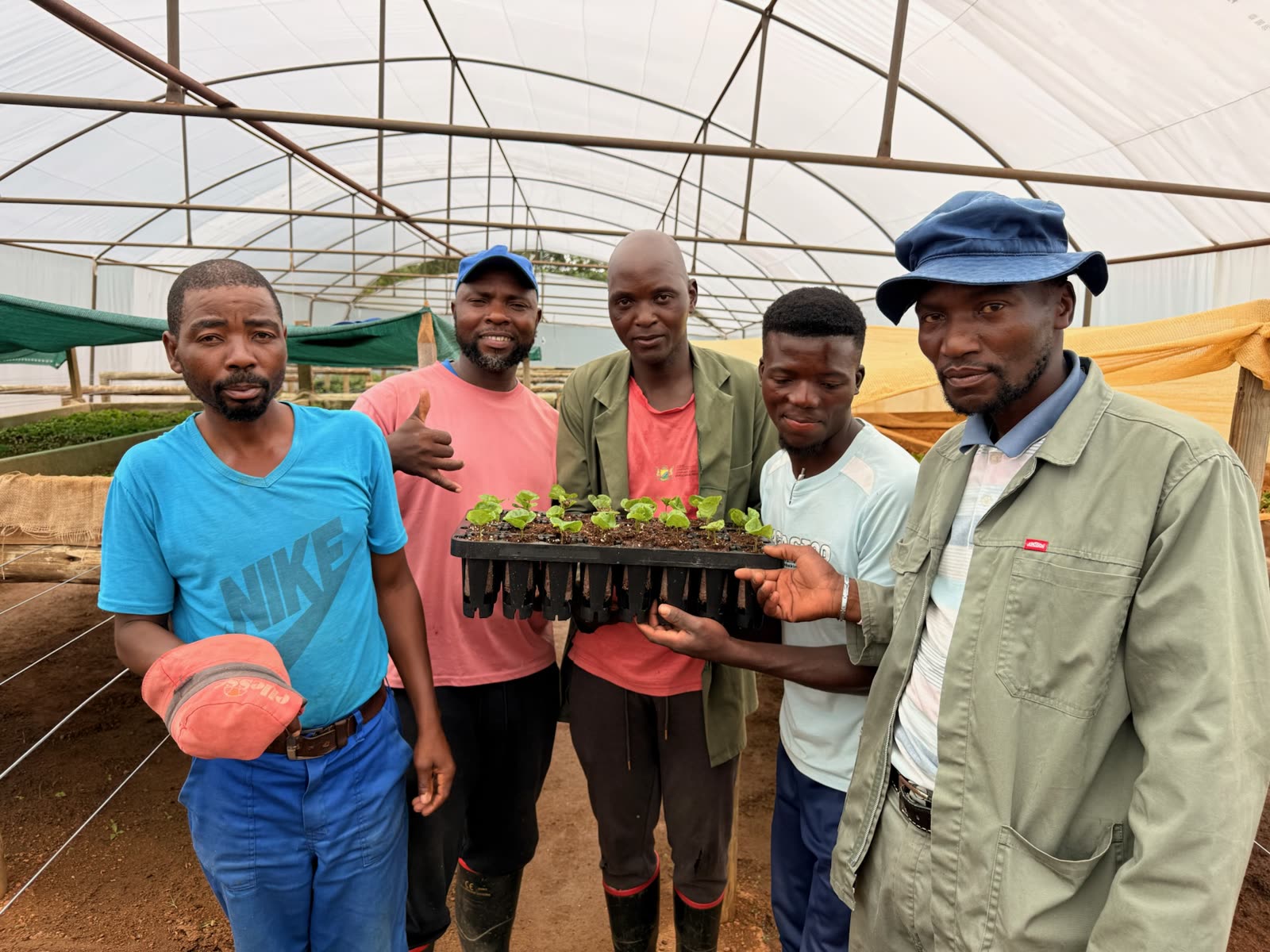
A nursery full of young plants is also evidence of daily local work. Propagation, irrigation, tray handling, inspection and record keeping all depend on people learning the crop and building practical skill through each new cycle.

View archive images
Progress is measured by the team as well as the trees at Grand Valley Farm 588
1 photograph

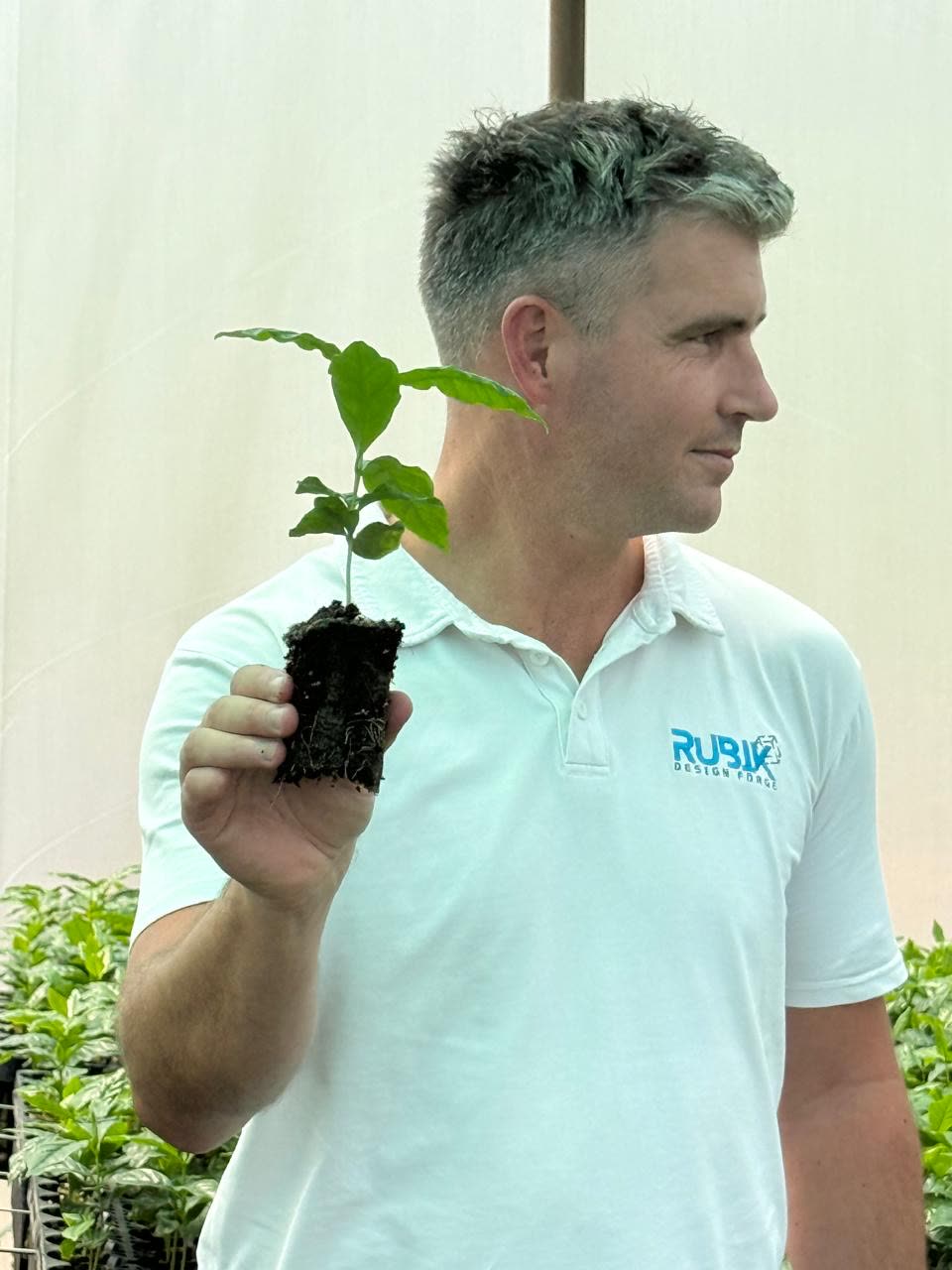
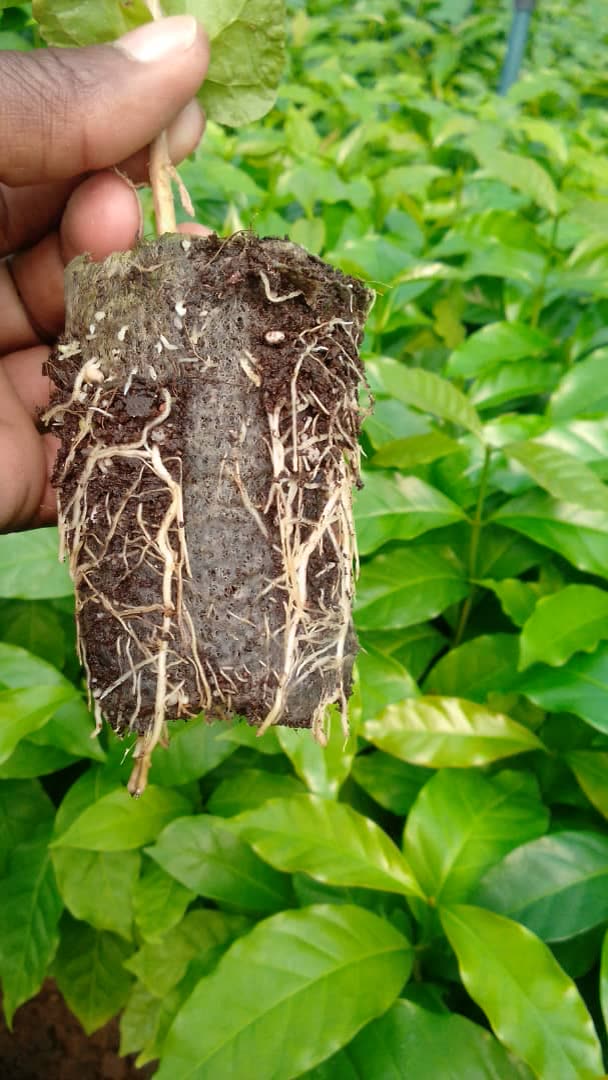
A clean root plug and a plant ready to move

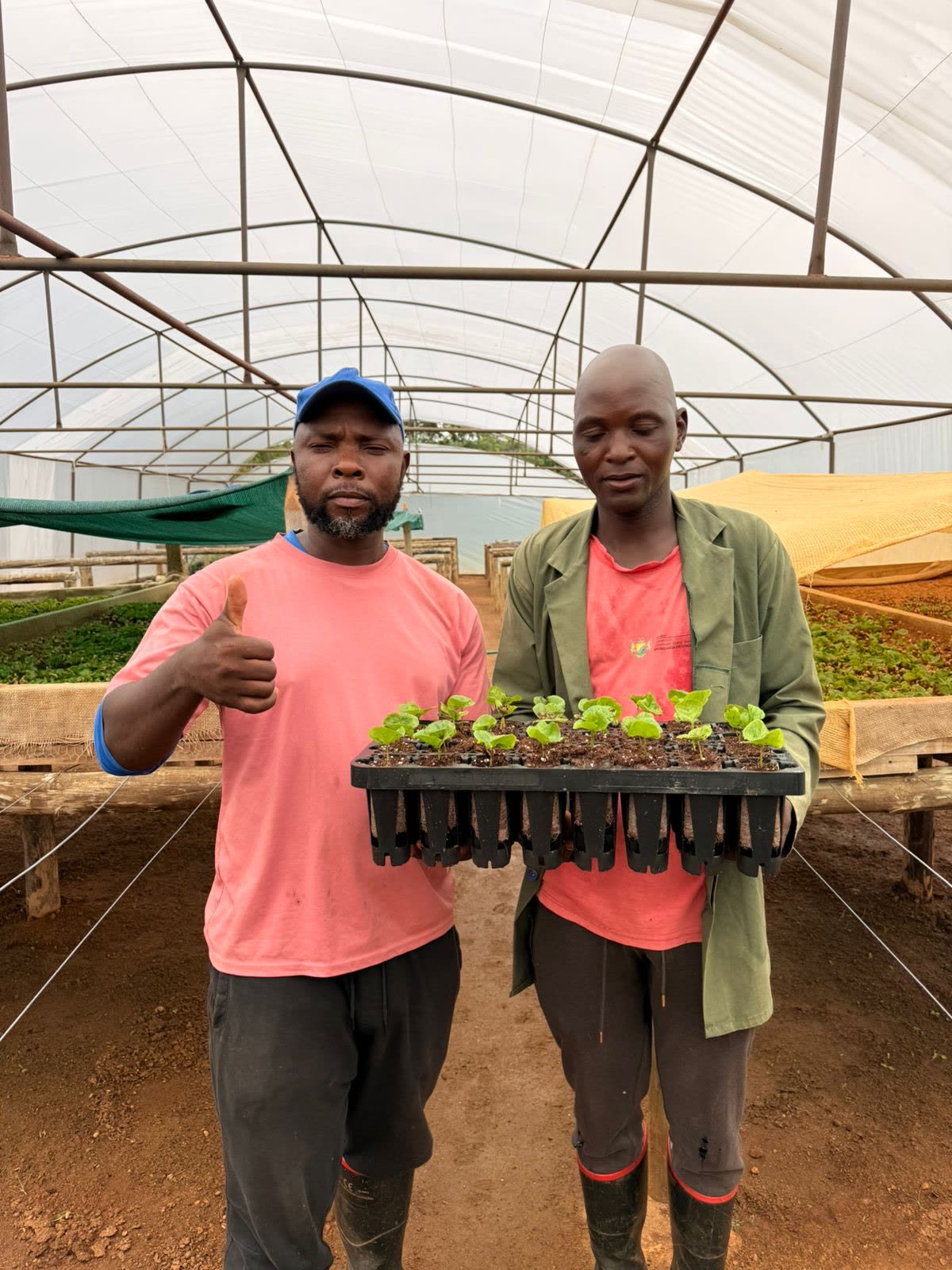
The developing plug shows one of the practical advantages of the Ellepot approach: the plant, growing medium and degradable paper pot remain together during handling. This protects the root zone and creates a stable unit for efficient movement and transplanting.

View archive images
A clean root plug and a plant ready to move at Grand Valley Farm 588
2 photographs

From seedbed to individual growing cell

Once selected seedlings are ready, they are transferred into individual Ellepot cells. Separating the plants gives each root system its own growing space while the degradable paper supports air pruning, cleaner handling and reduced disturbance later in the field.

View archive images
From seedbed to individual growing cell at Grand Valley Farm 588
1 photograph

Building the propagation system, one bed at a time

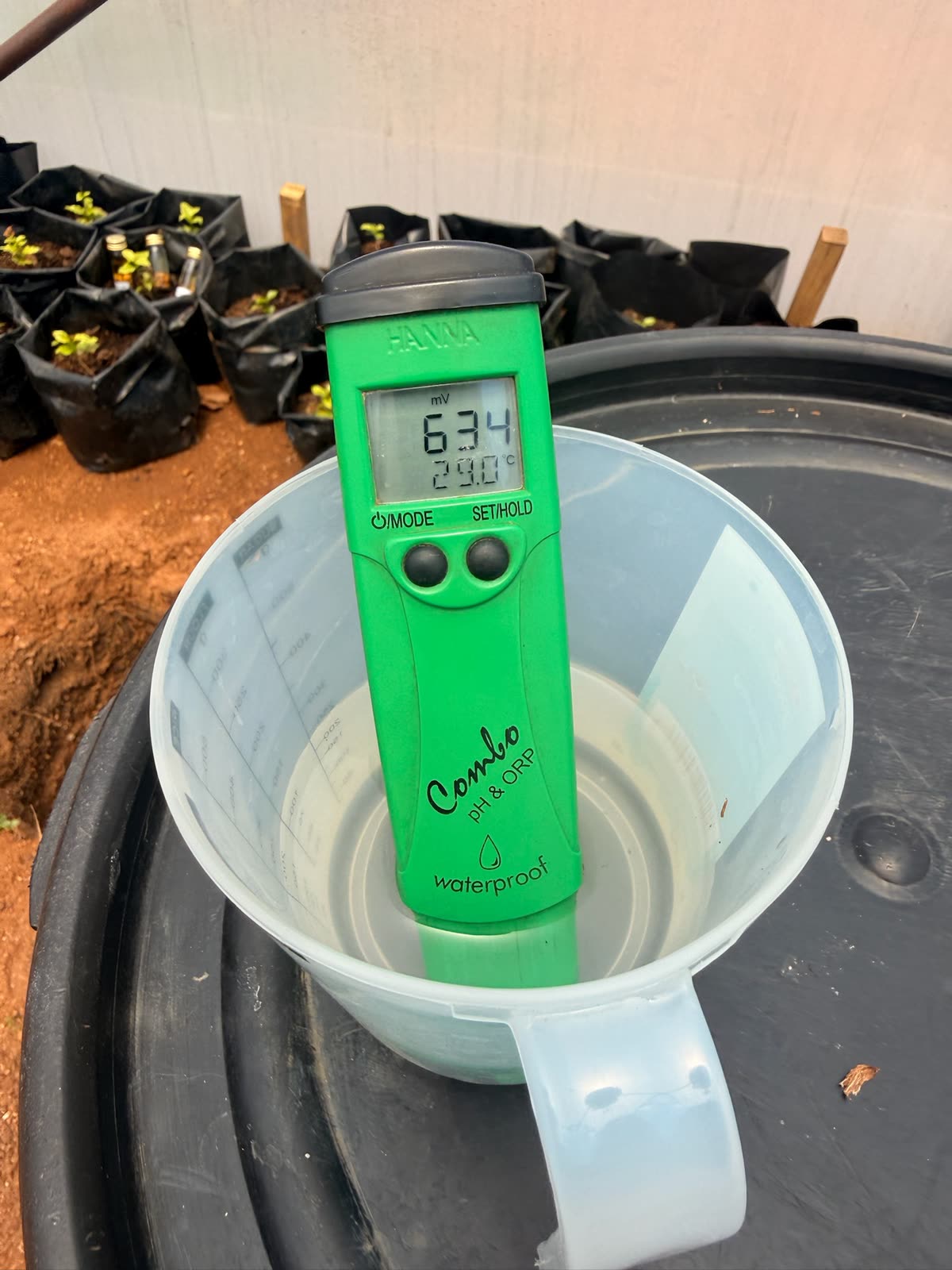
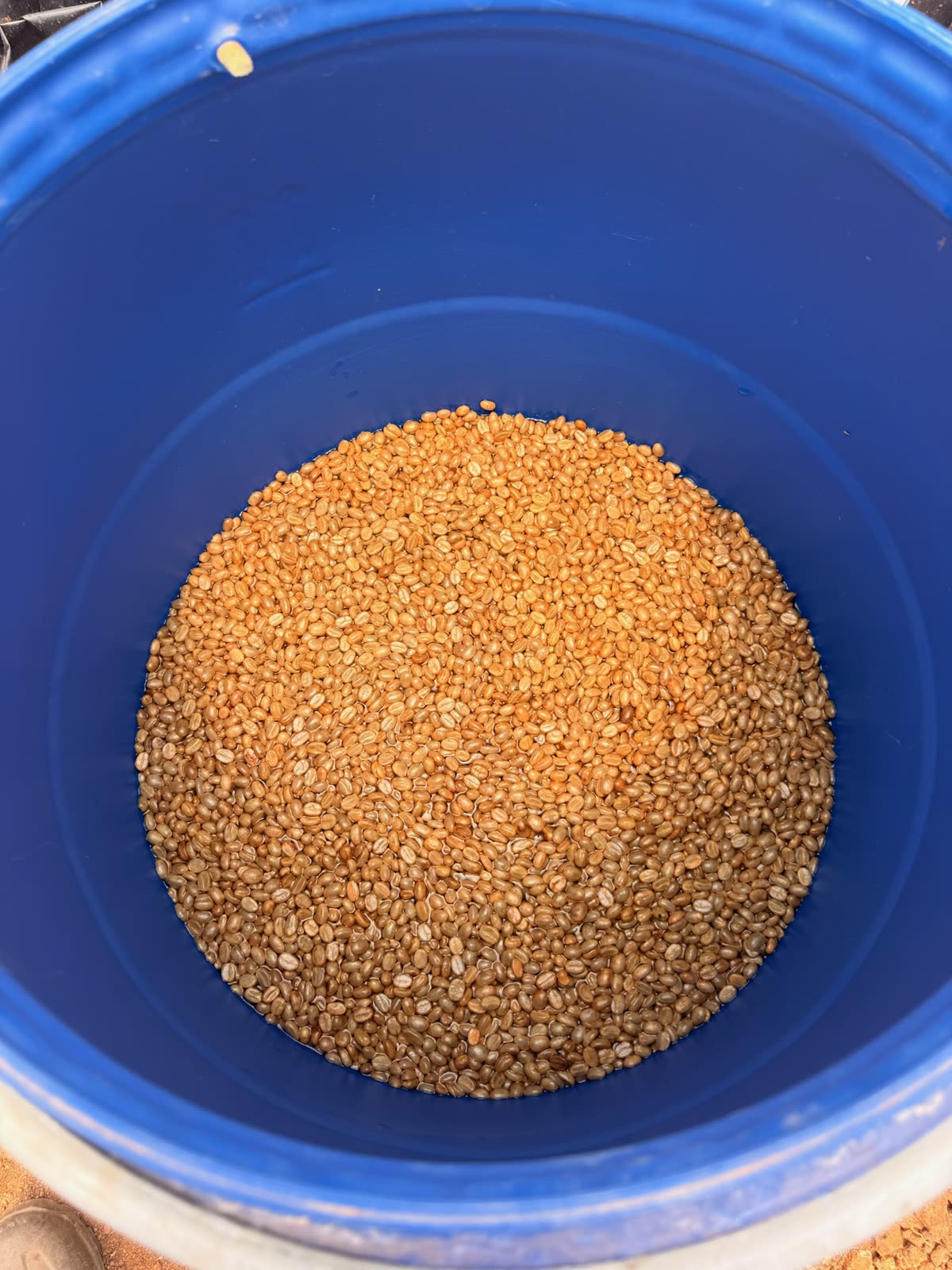
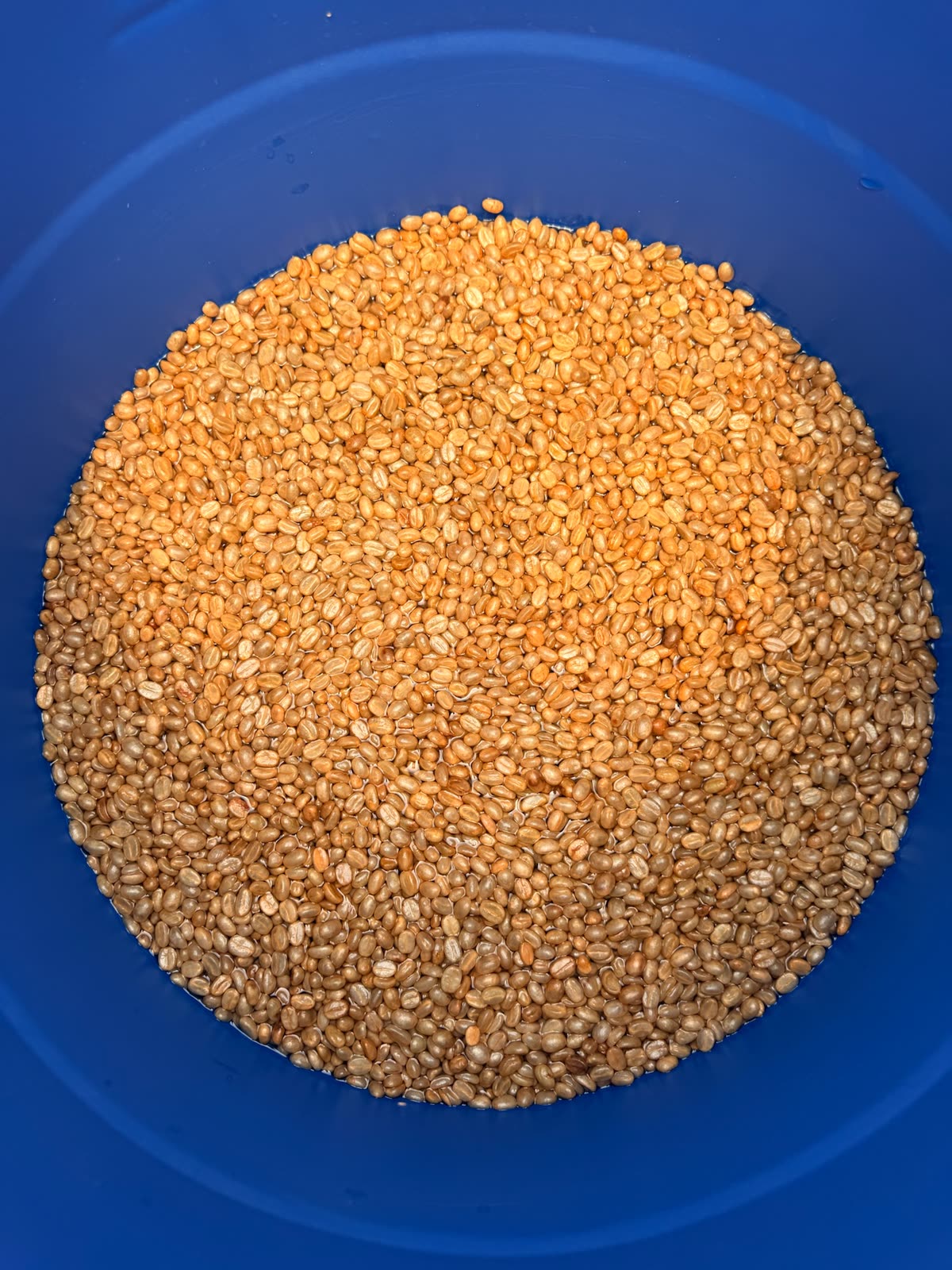
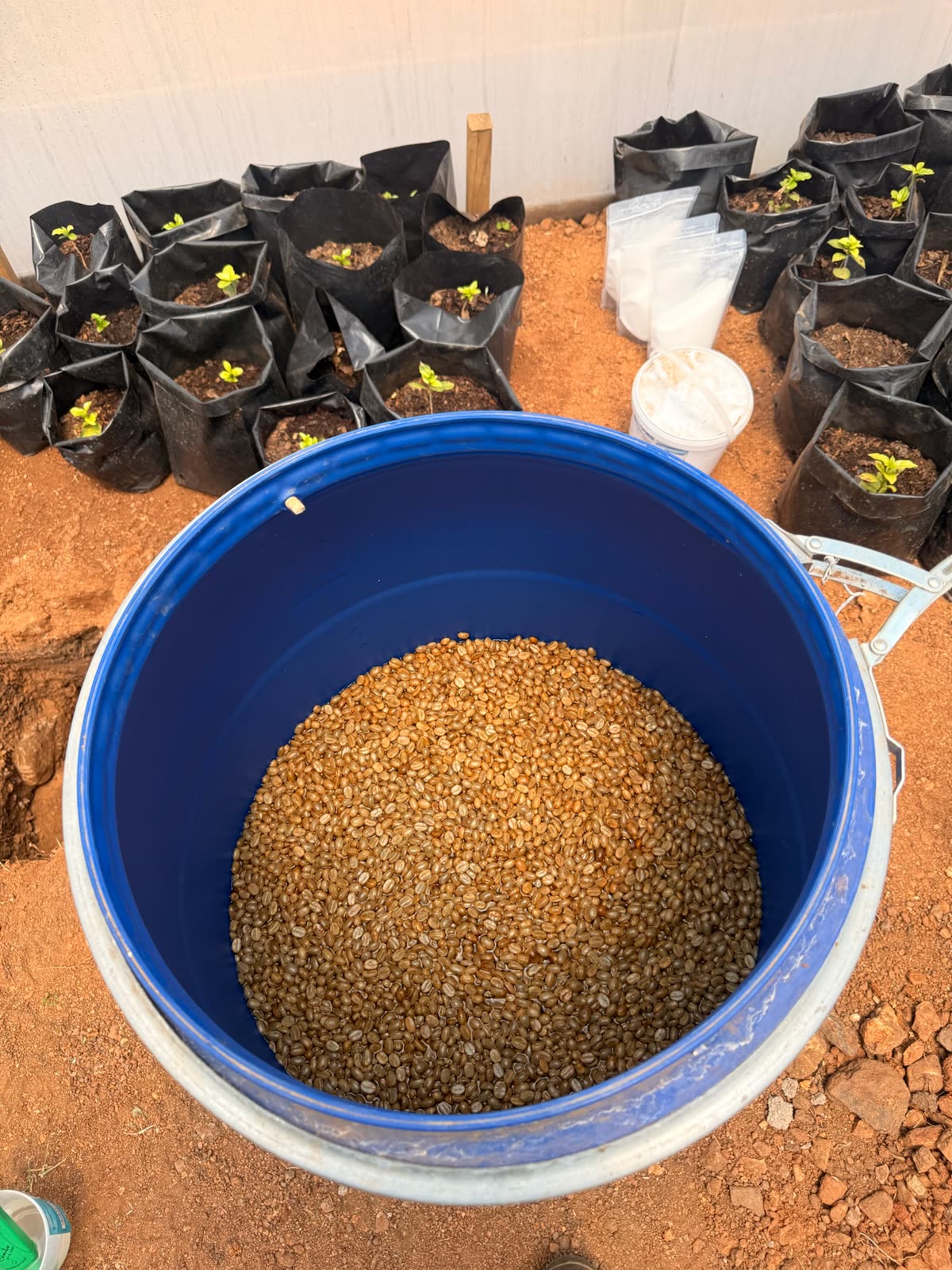
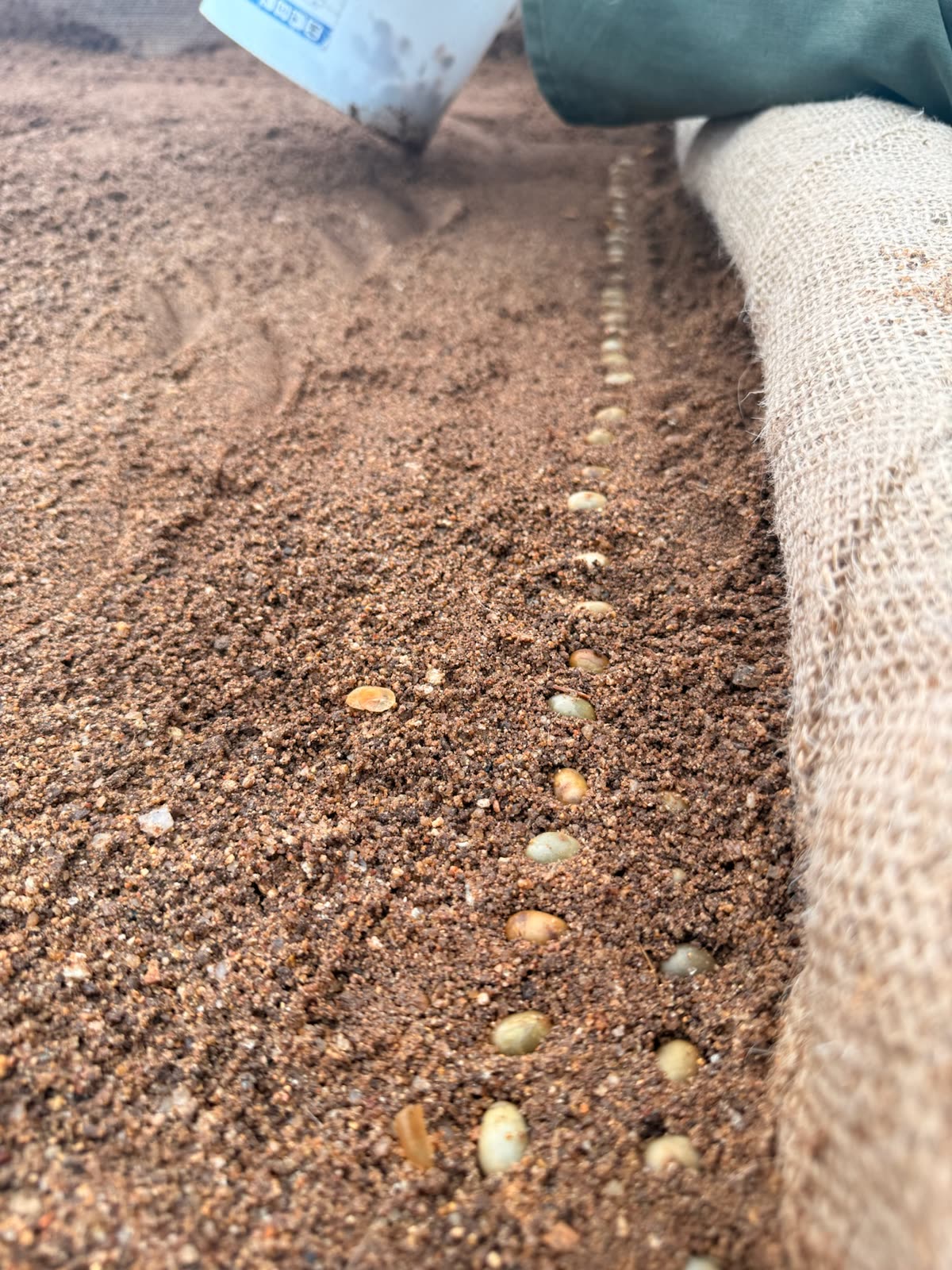
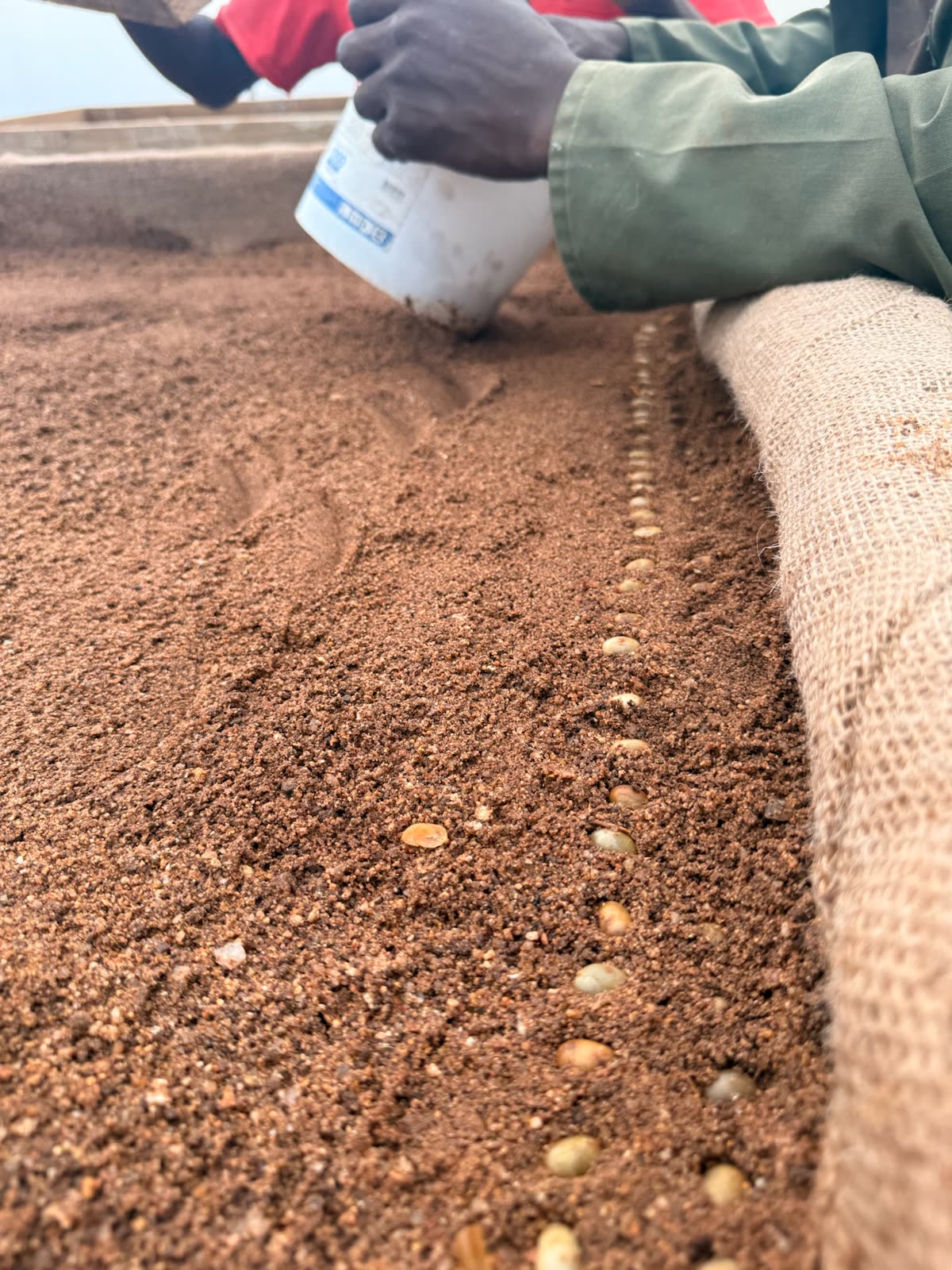
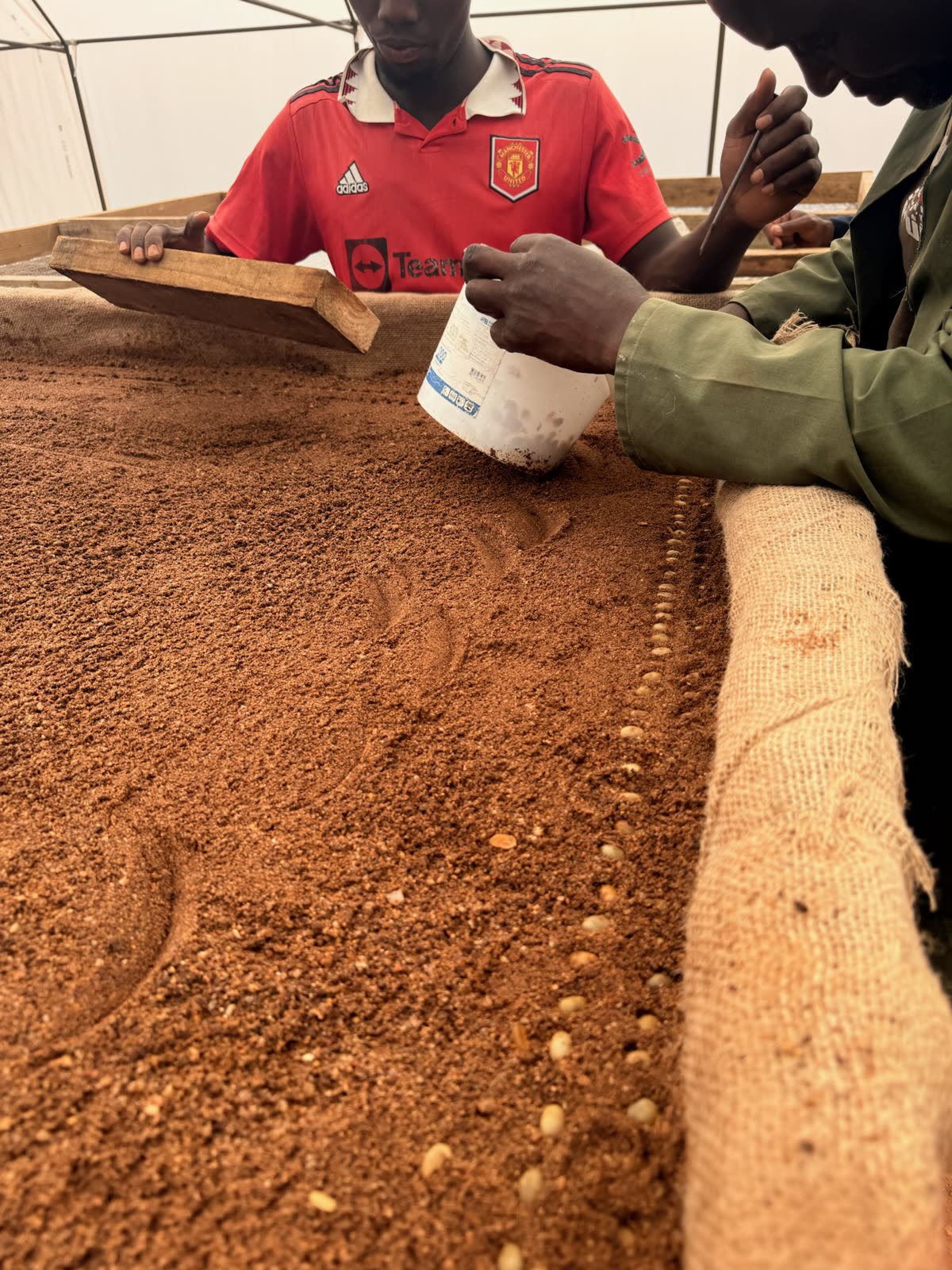
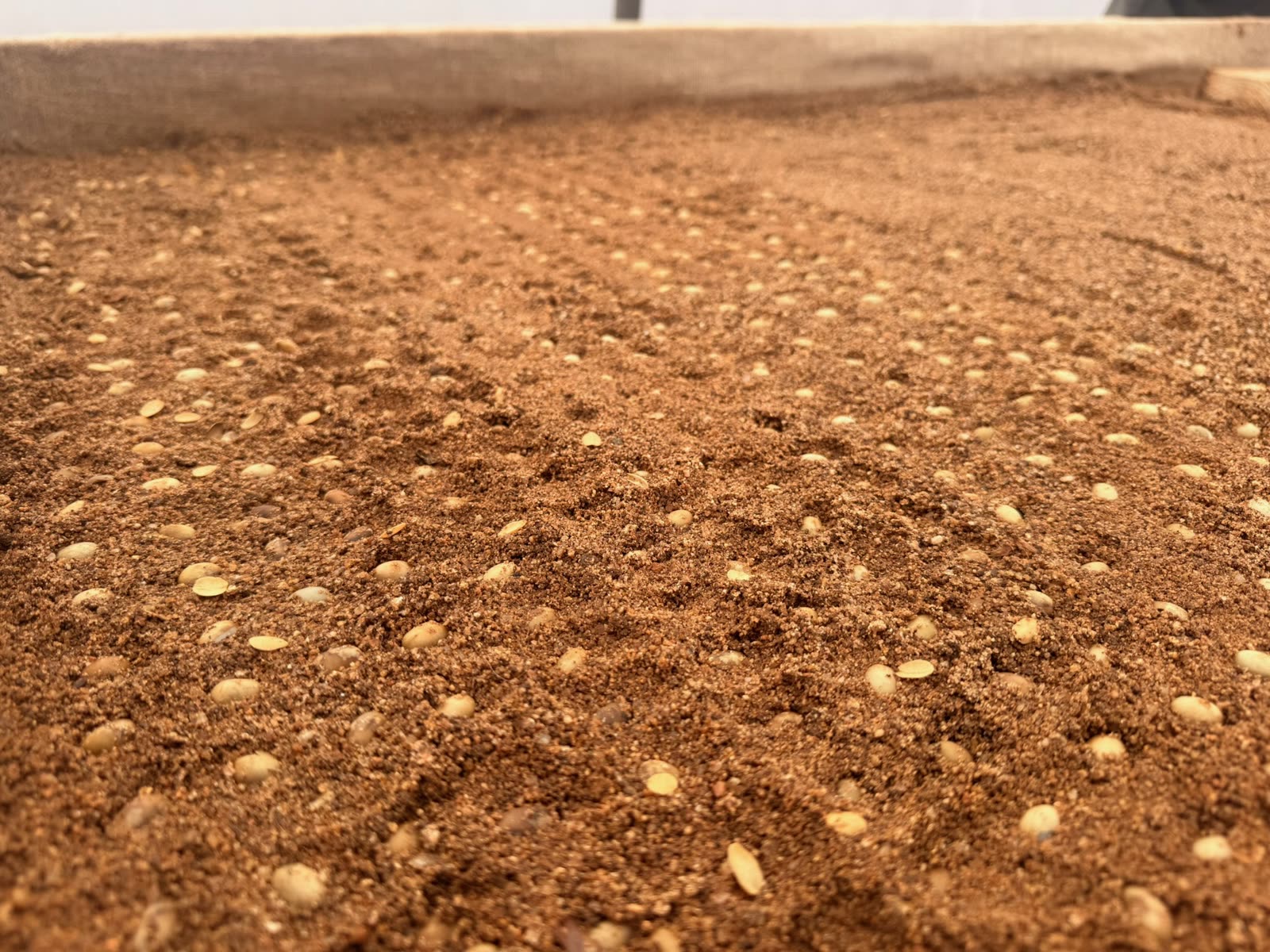
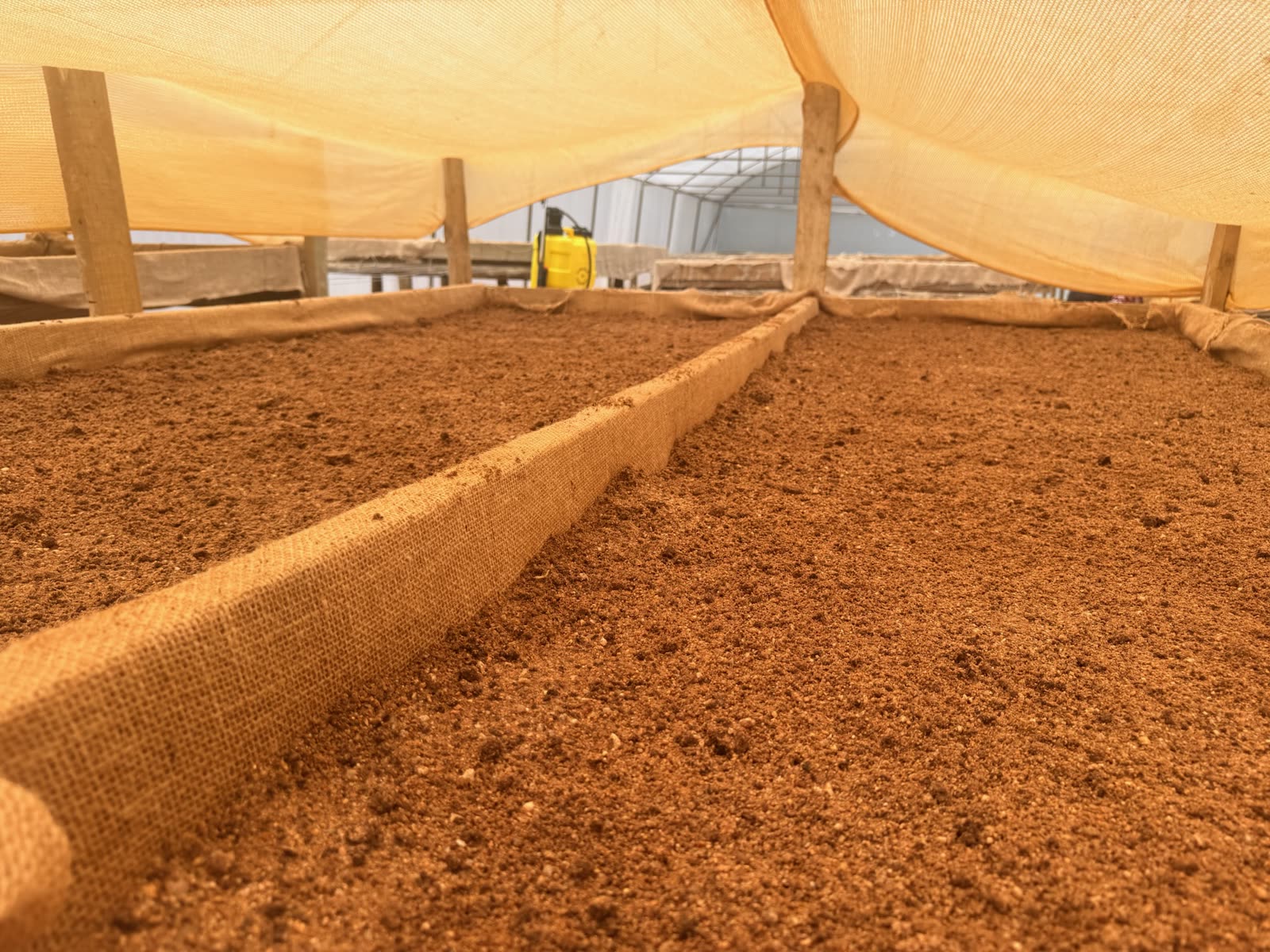
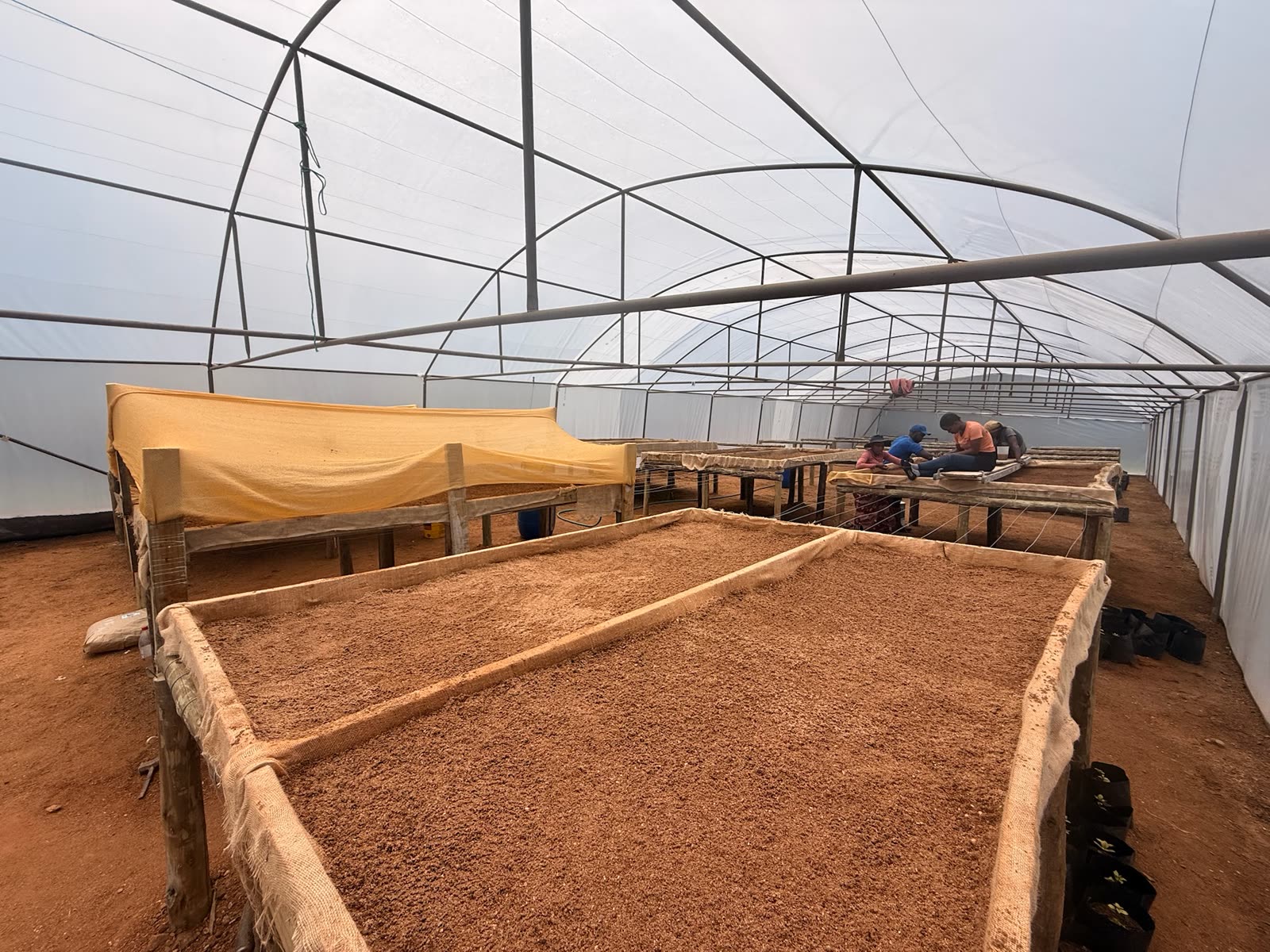
This is the most detailed propagation chapter in the growing archive. It follows seed preparation and measurement, careful spacing in prepared beds, watering, emerging seedlings, tray work and the people responsible for moving each stage forward. Together, the images show that consistency is built through repeatable small actions.

View archive images
Building the propagation system, one bed at a time at Grand Valley Farm 588
35 photographs · 4 process videos

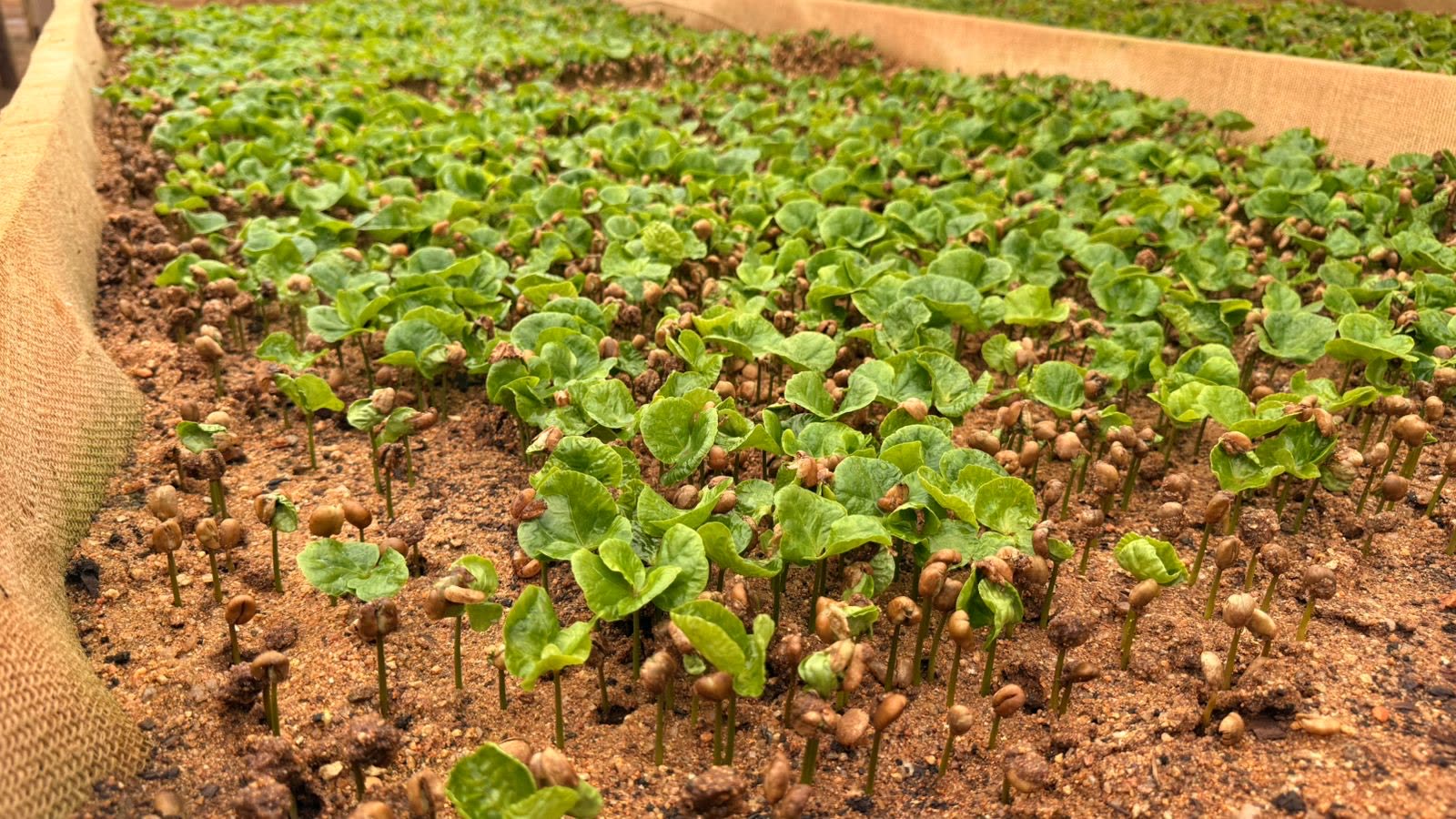
Early growth across the beds

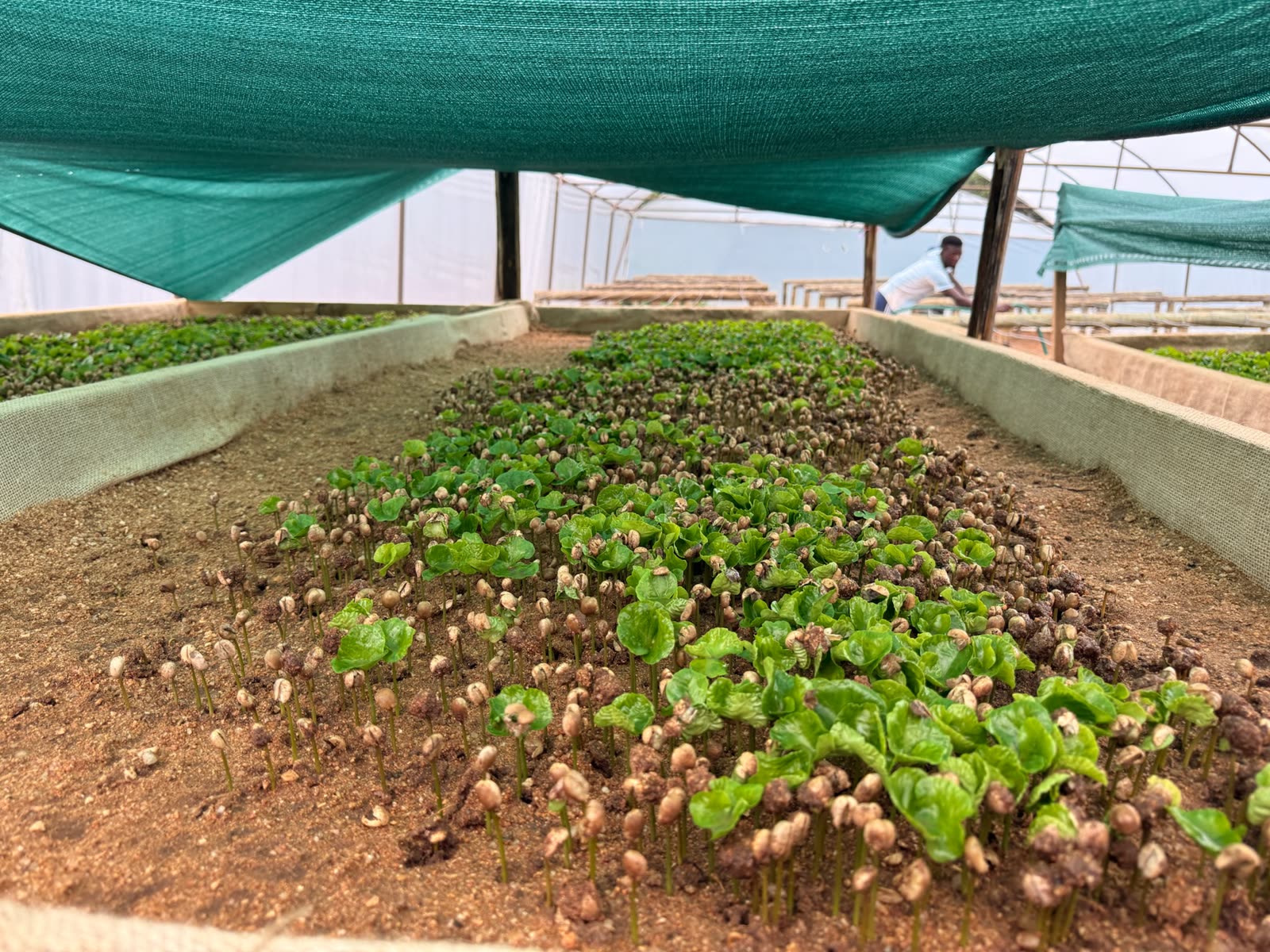
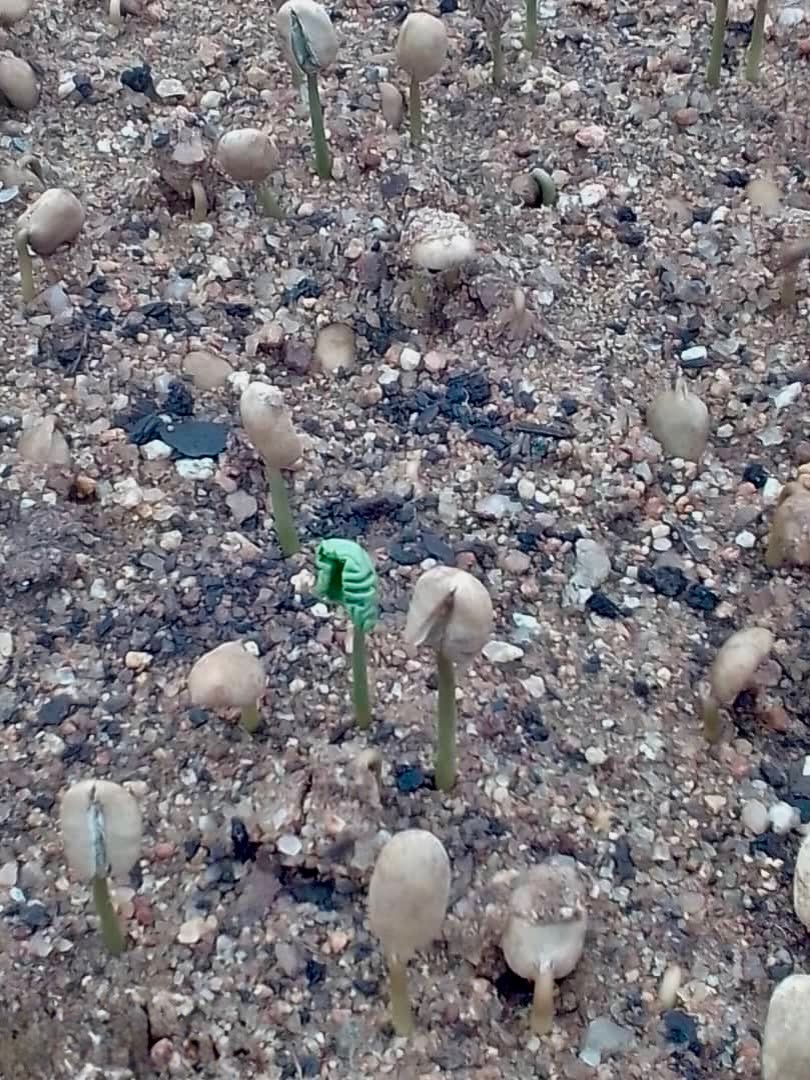
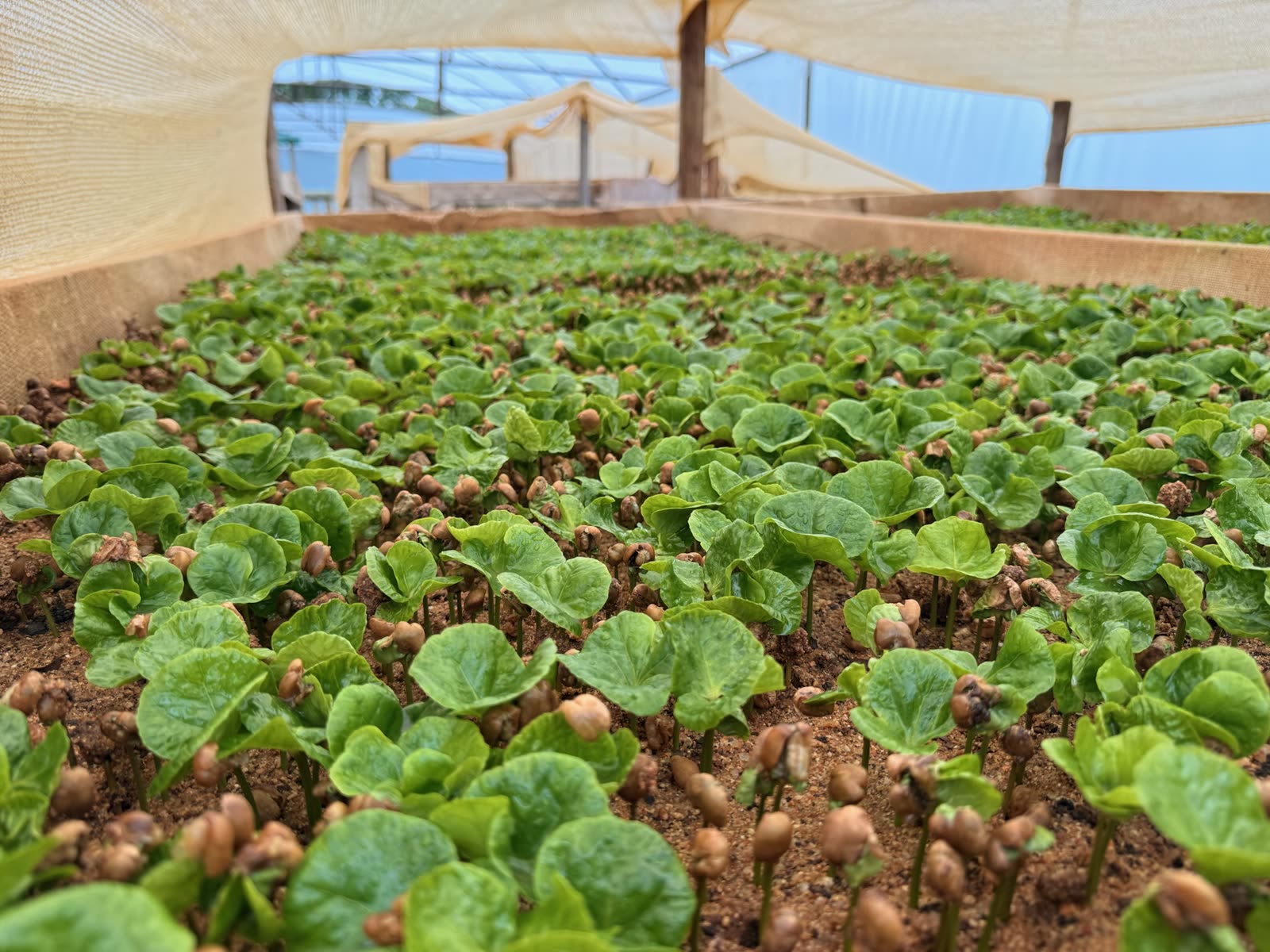
Young plants spread across the protected germination beds as the first leaves opened. At this delicate stage, shade and moisture are managed closely while the team watches for even emergence and removes weak or unsuitable material.

View archive images
Early growth across the beds at Grand Valley Farm 588
2 photographs

The first green signal

The January image records an early, easily overlooked milestone: the propagation beds beginning to turn green. It is the first visible proof that the nursery environment, seed preparation and daily care are working together.

View archive images
The first green signal at Grand Valley Farm 588
1 photograph

Starting with the place itself

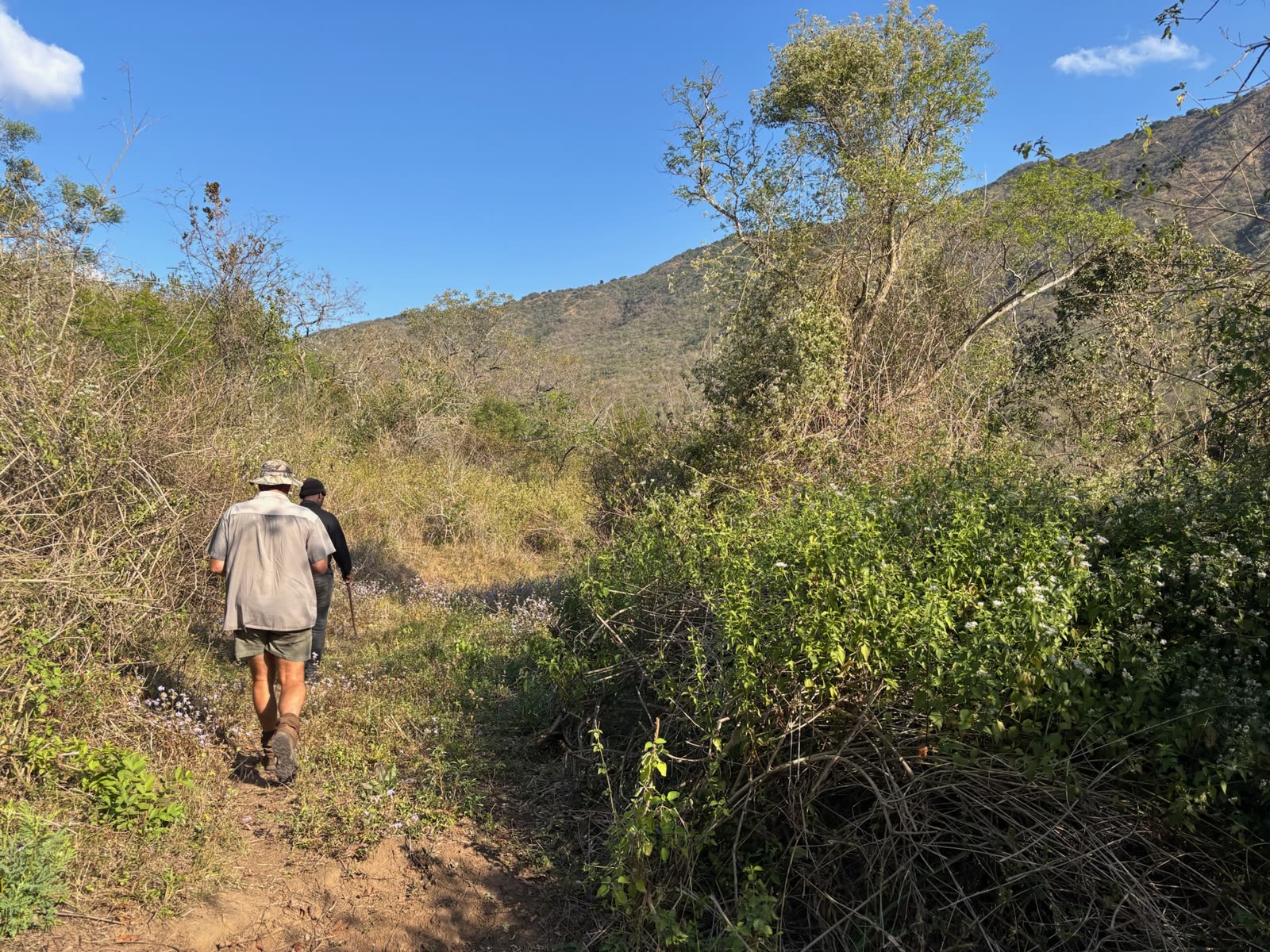
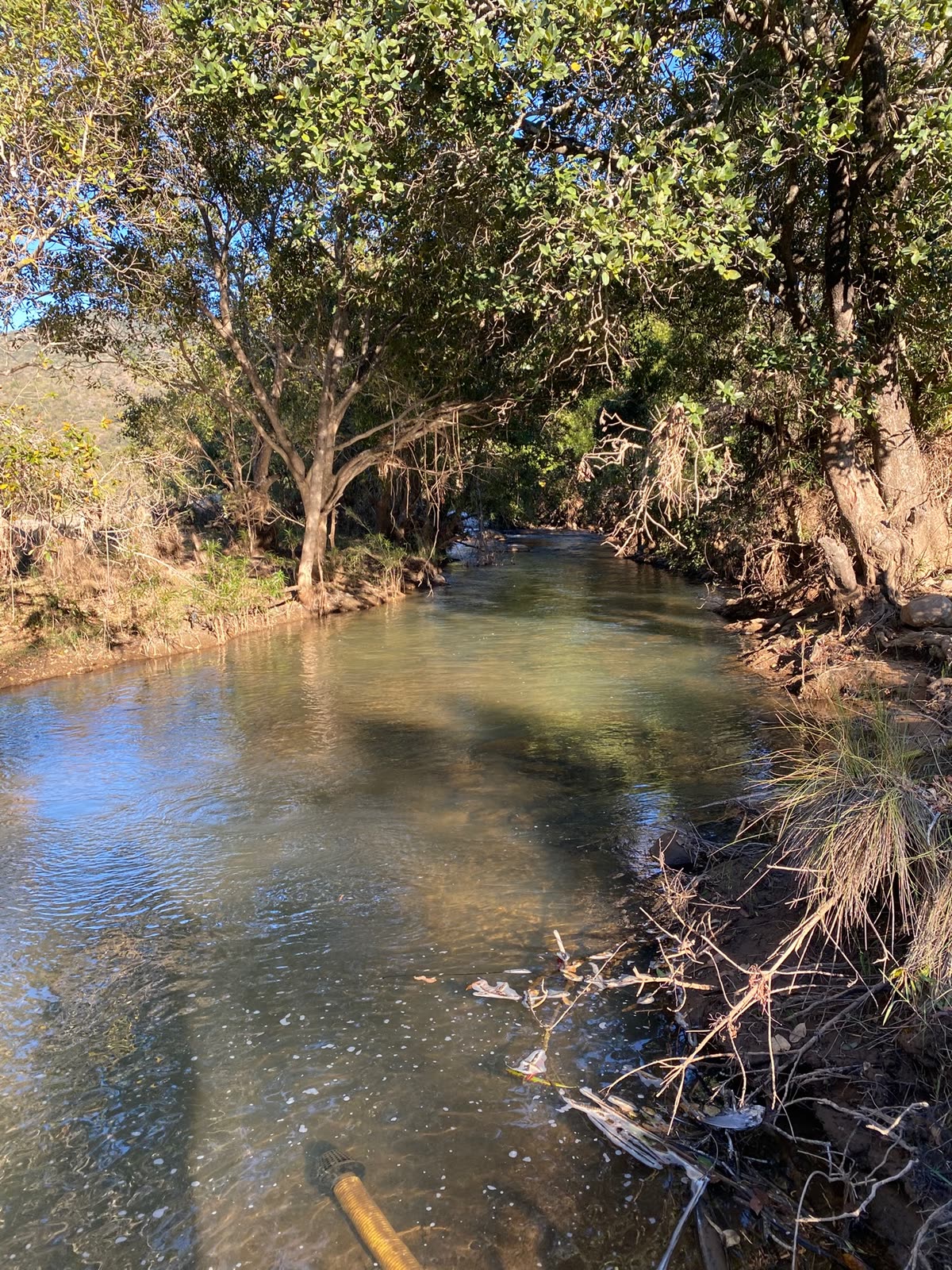
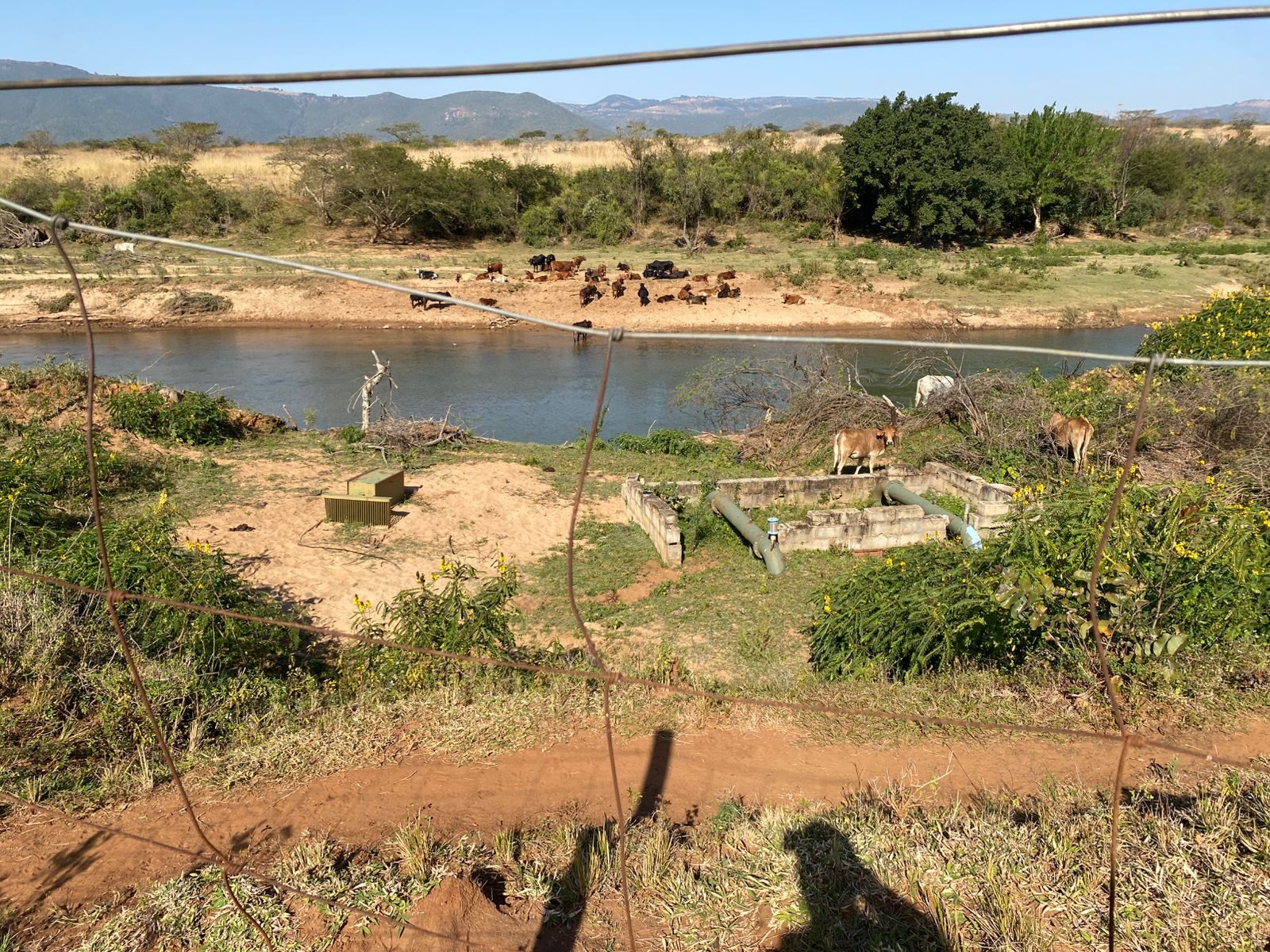
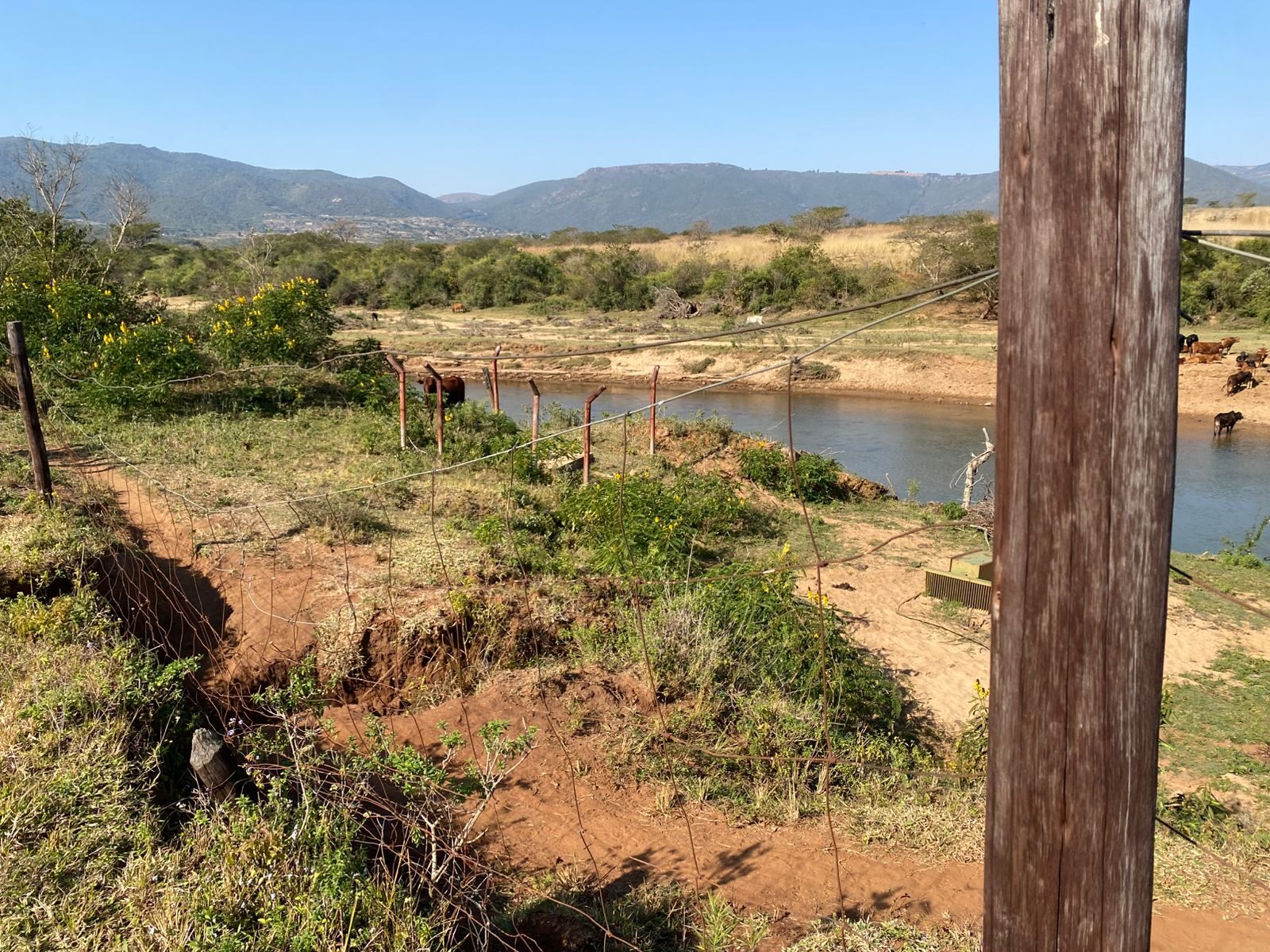
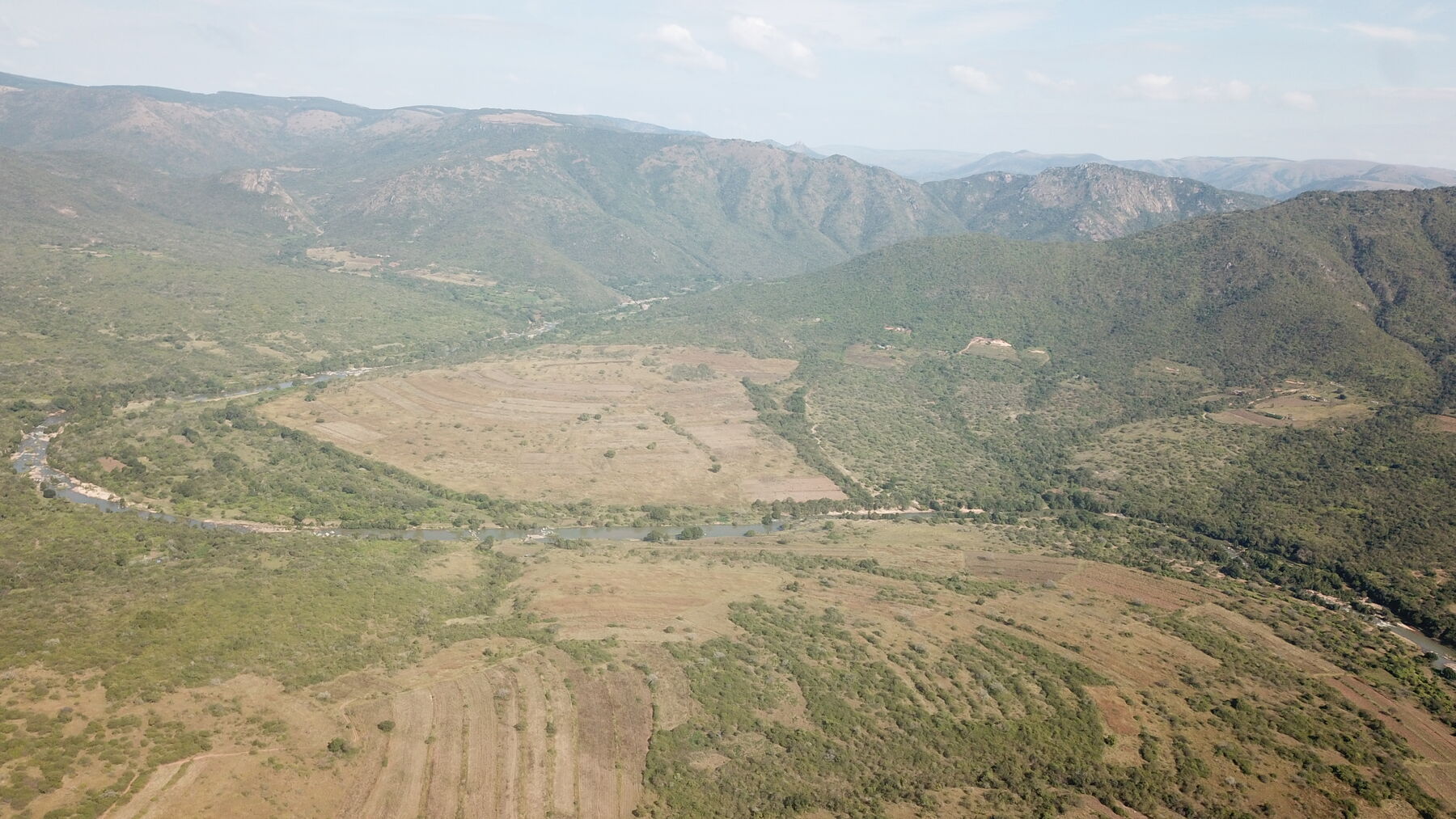
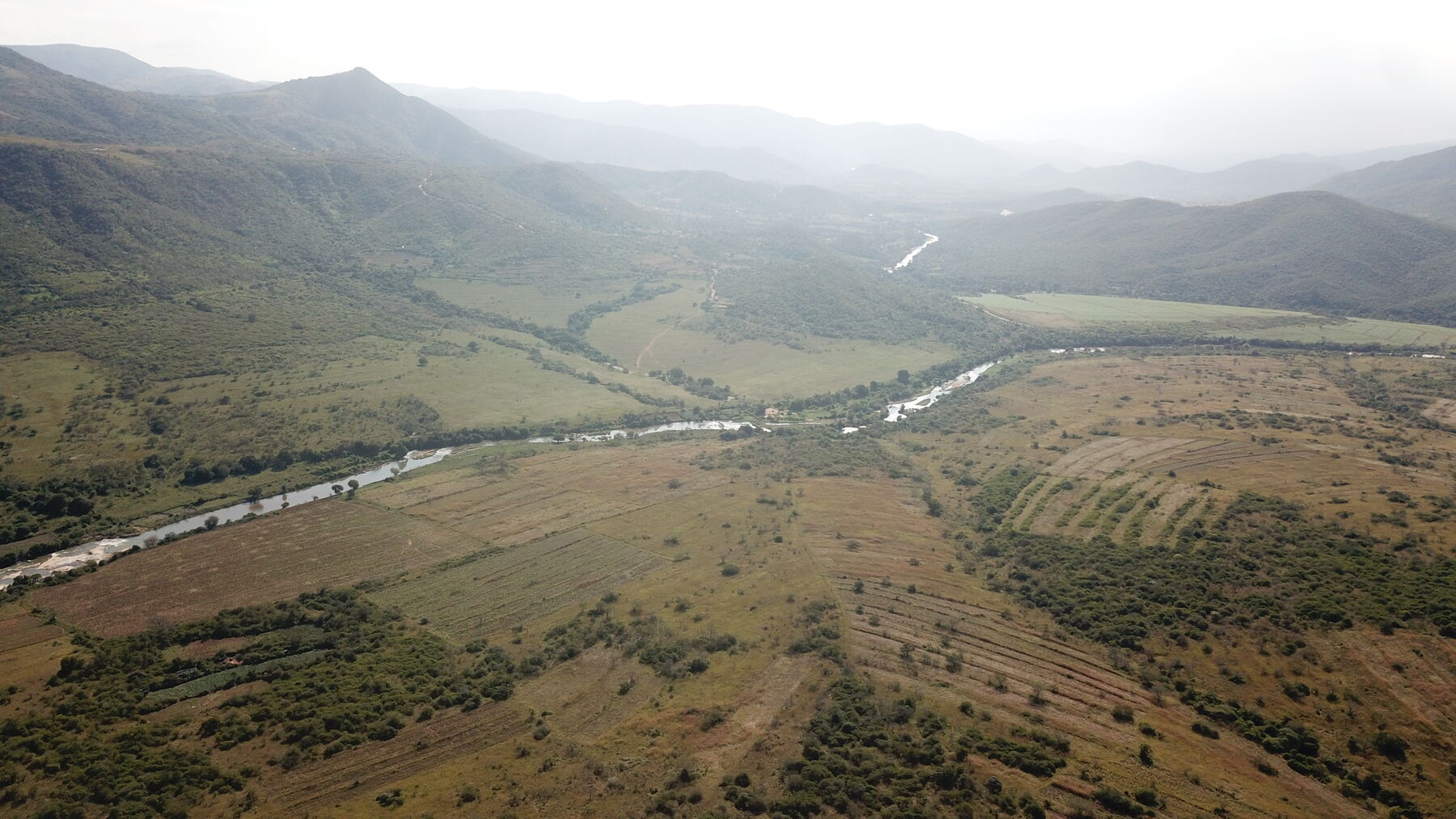
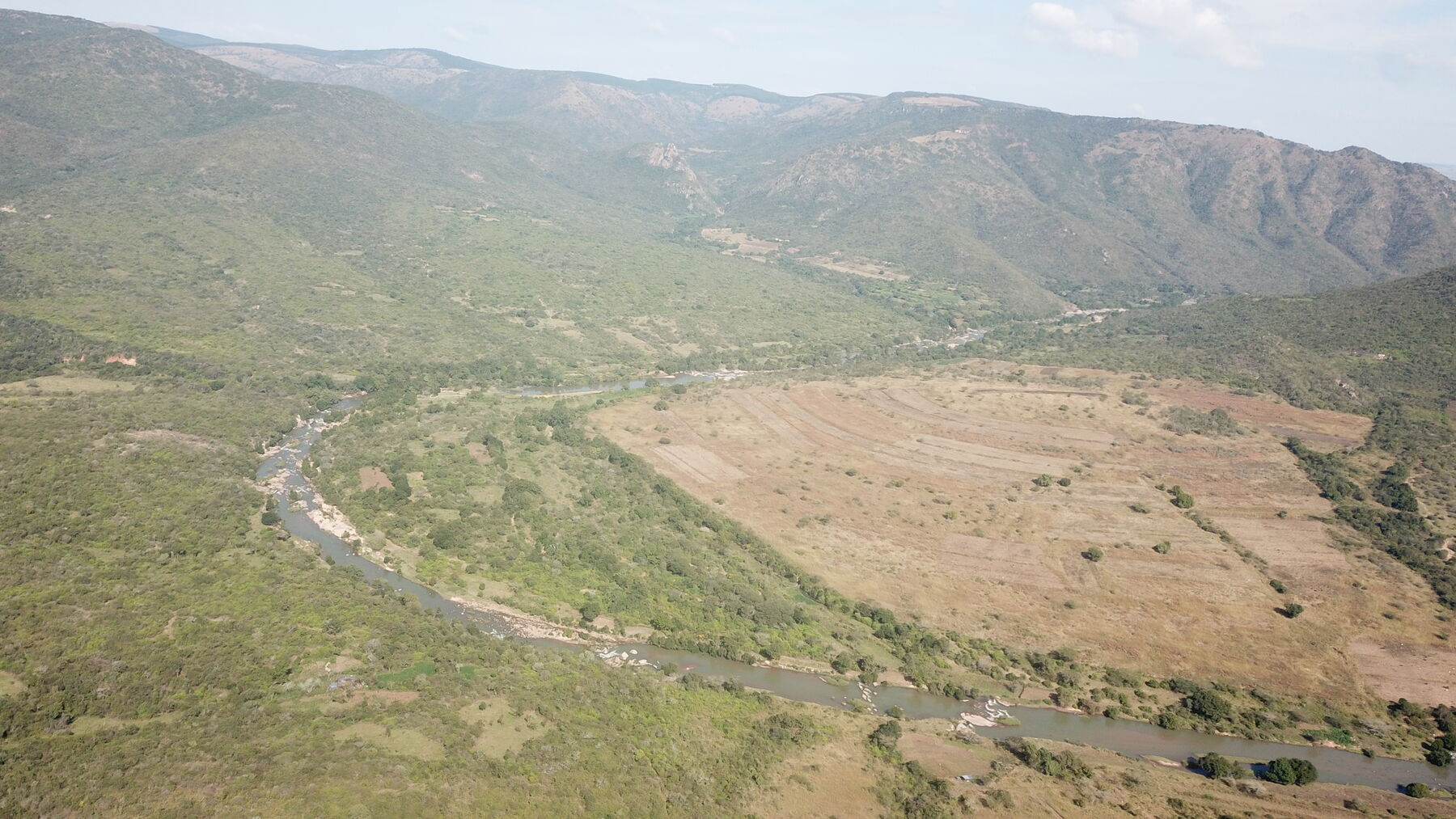
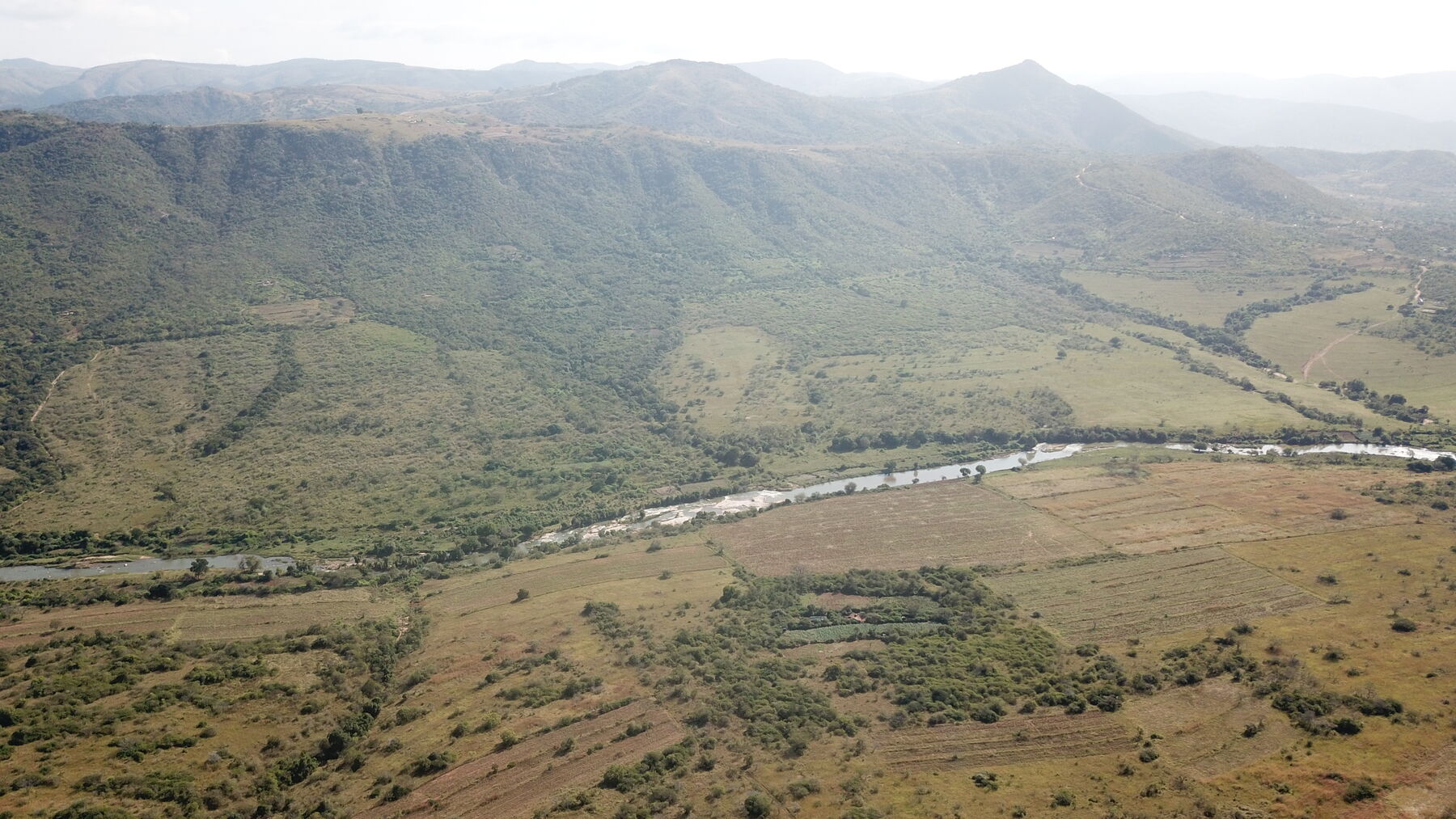
Before the nursery could support a commercial planting programme, the team read the land: walking the site, documenting the surrounding terrain and confirming the water resource that would serve the growing system. The season begins with place, people and practical constraints.

View archive images
Starting with the place itself at Grand Valley Farm 588
5 photographs

The greenhouse takes shape

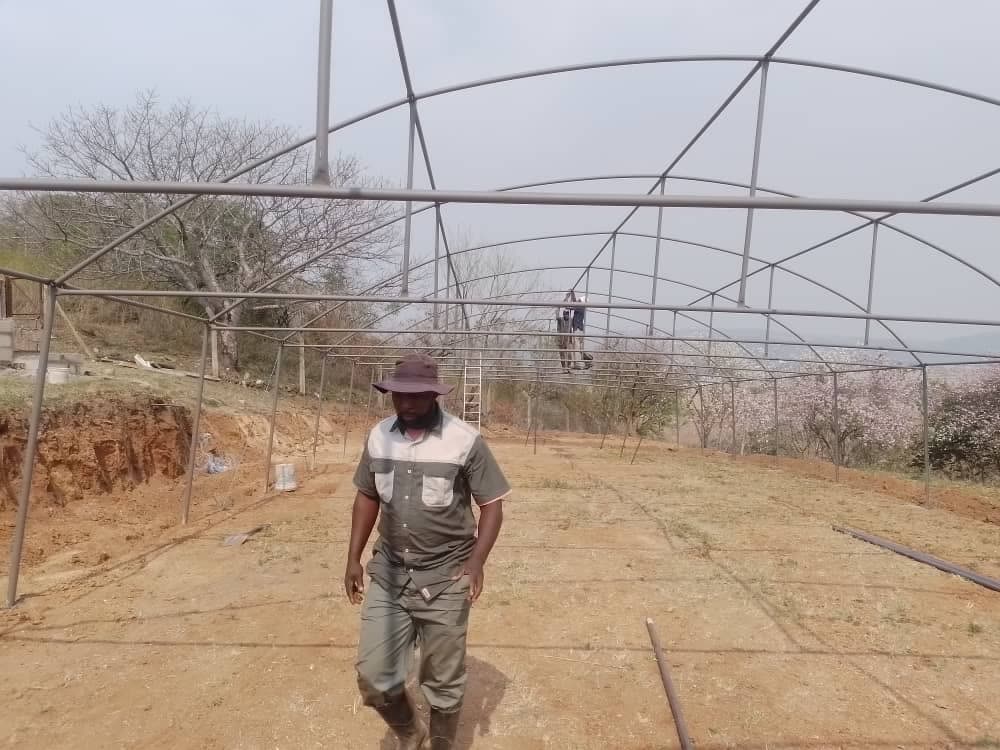
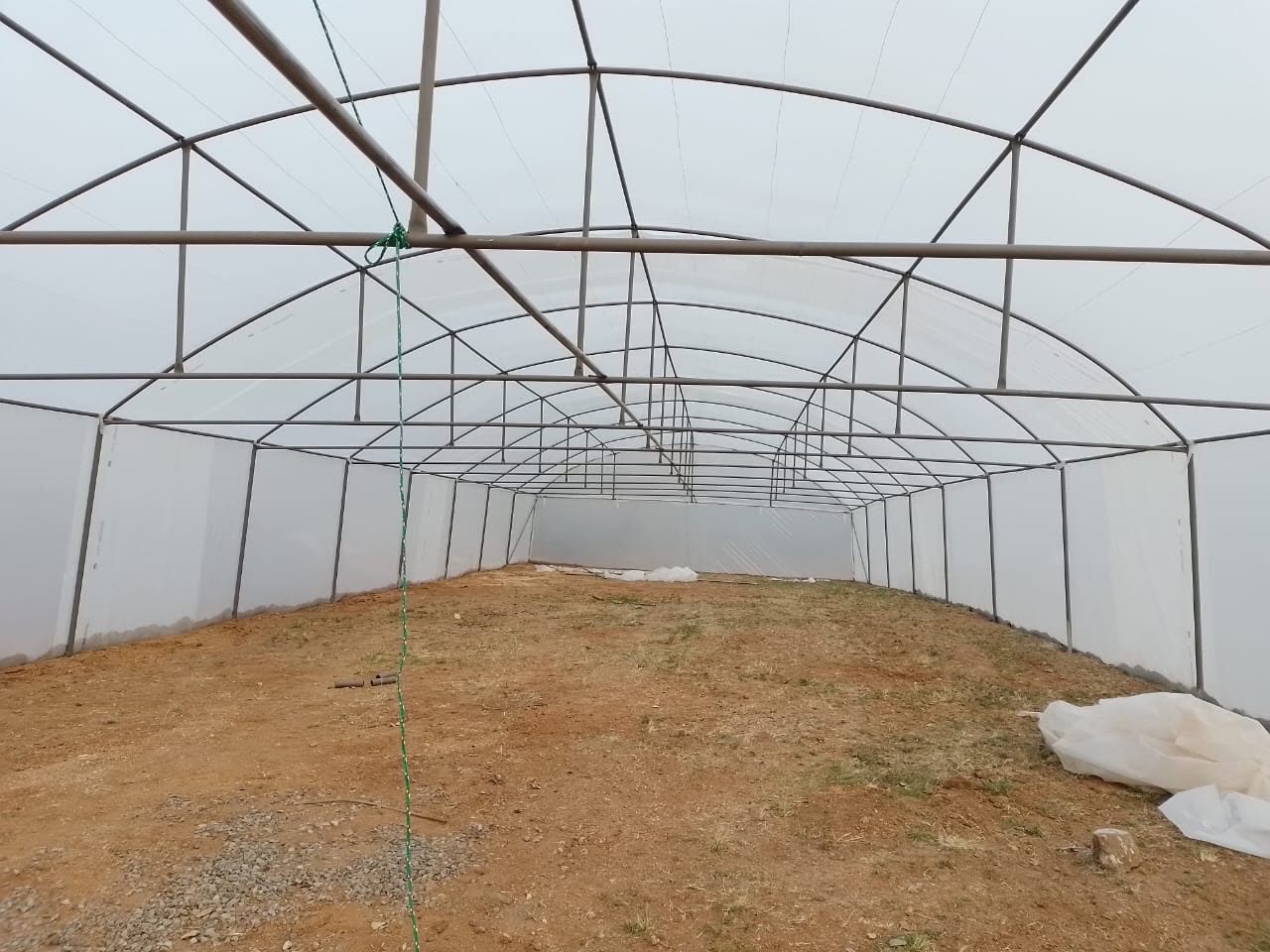
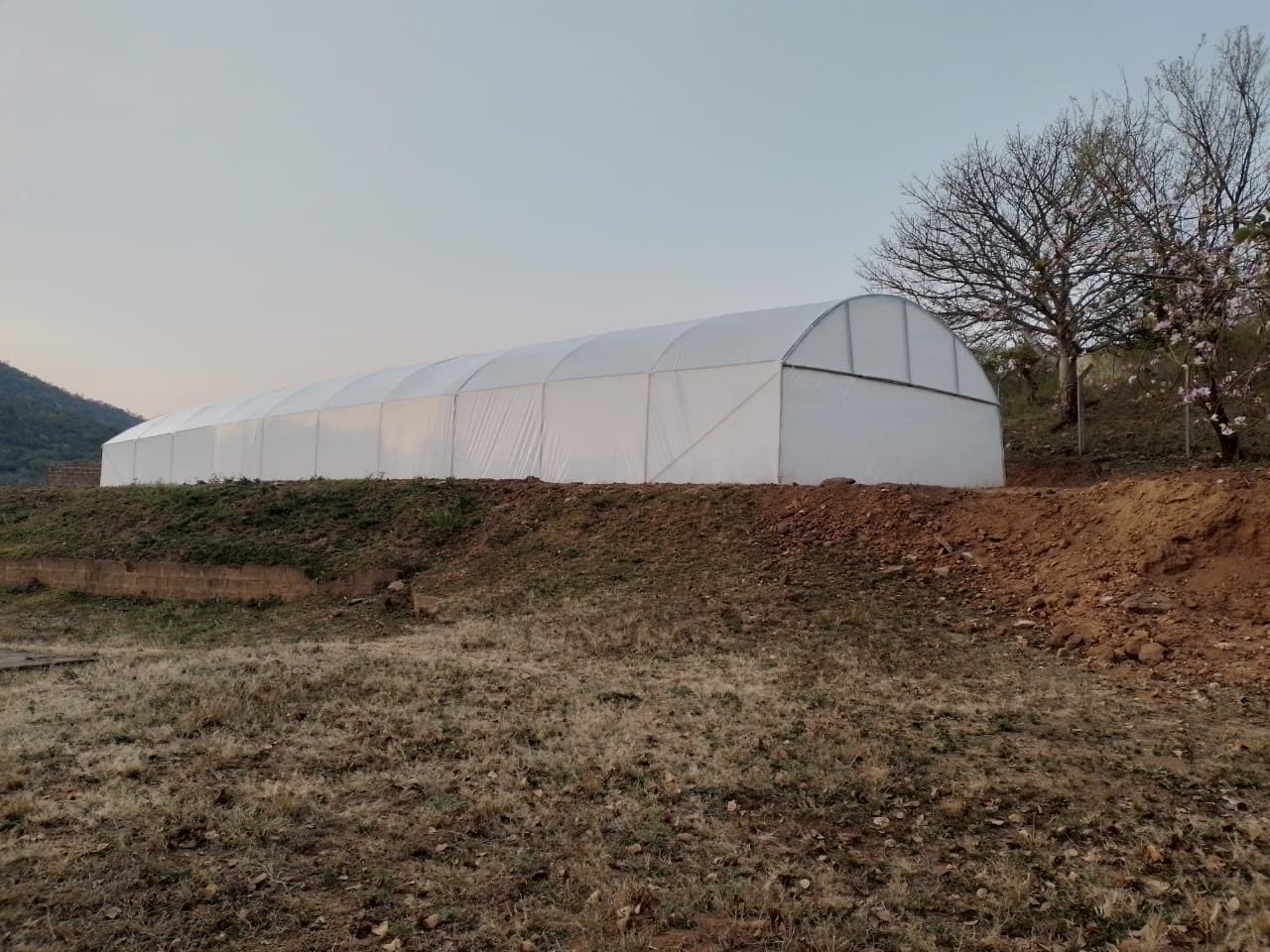
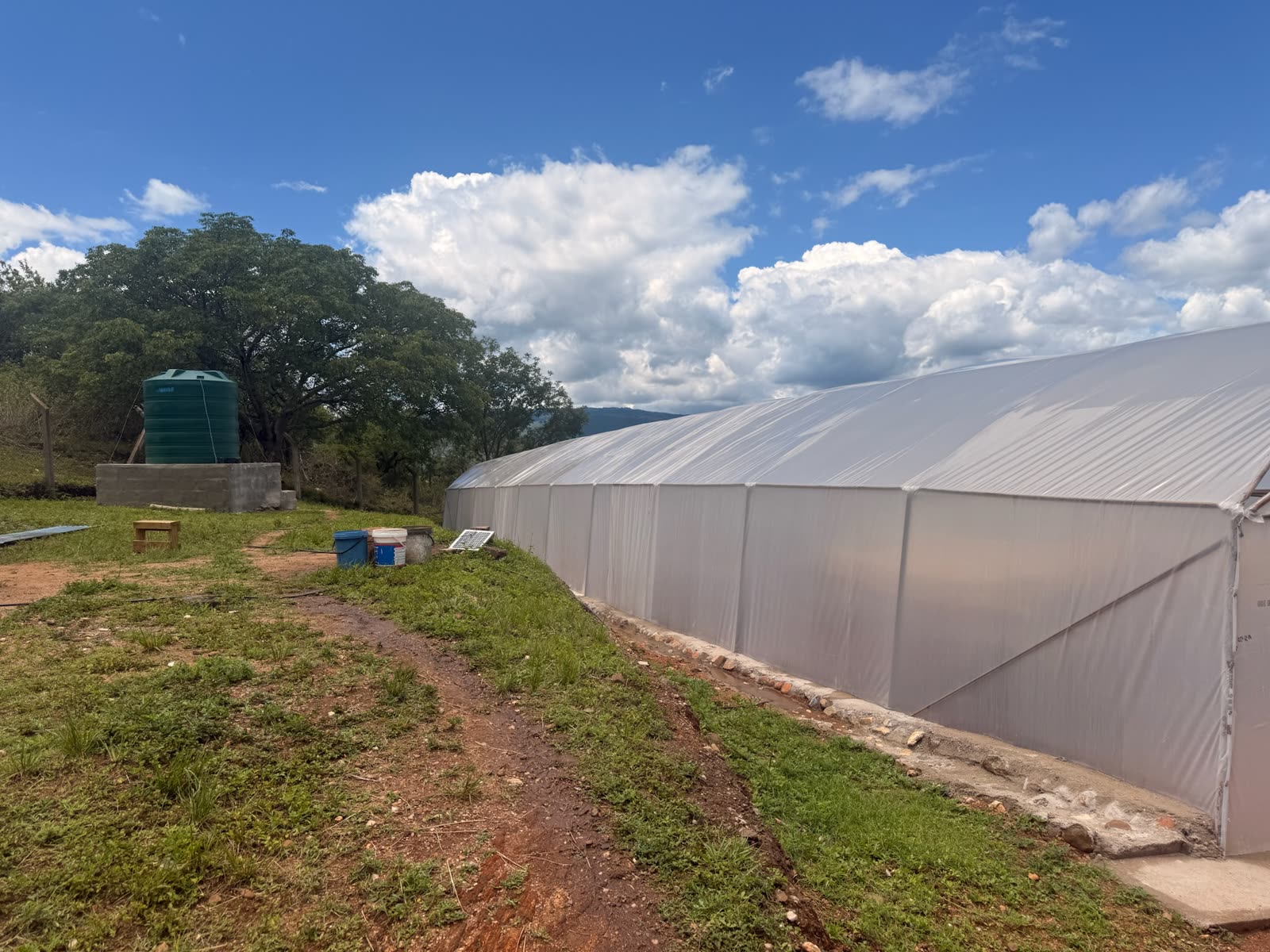
The first photographs in the archive show the protected nursery structure under construction. Its frame and enclosed skin establish the controlled environment needed for consistent germination and early development through the coffee plant's most sensitive stage.

View archive images
The greenhouse takes shape at Grand Valley Farm 588
2 photographs

Tracing water from river to field

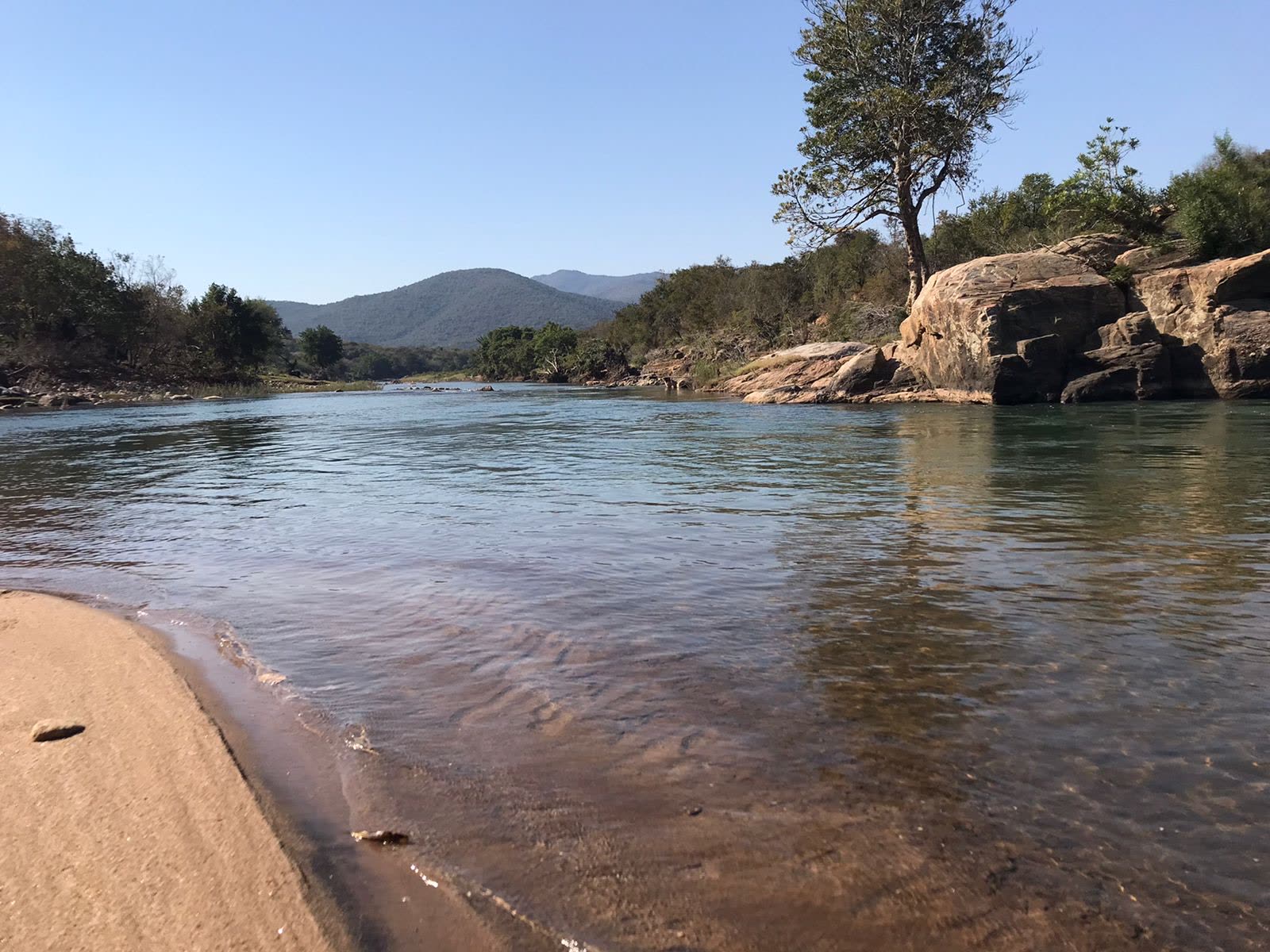
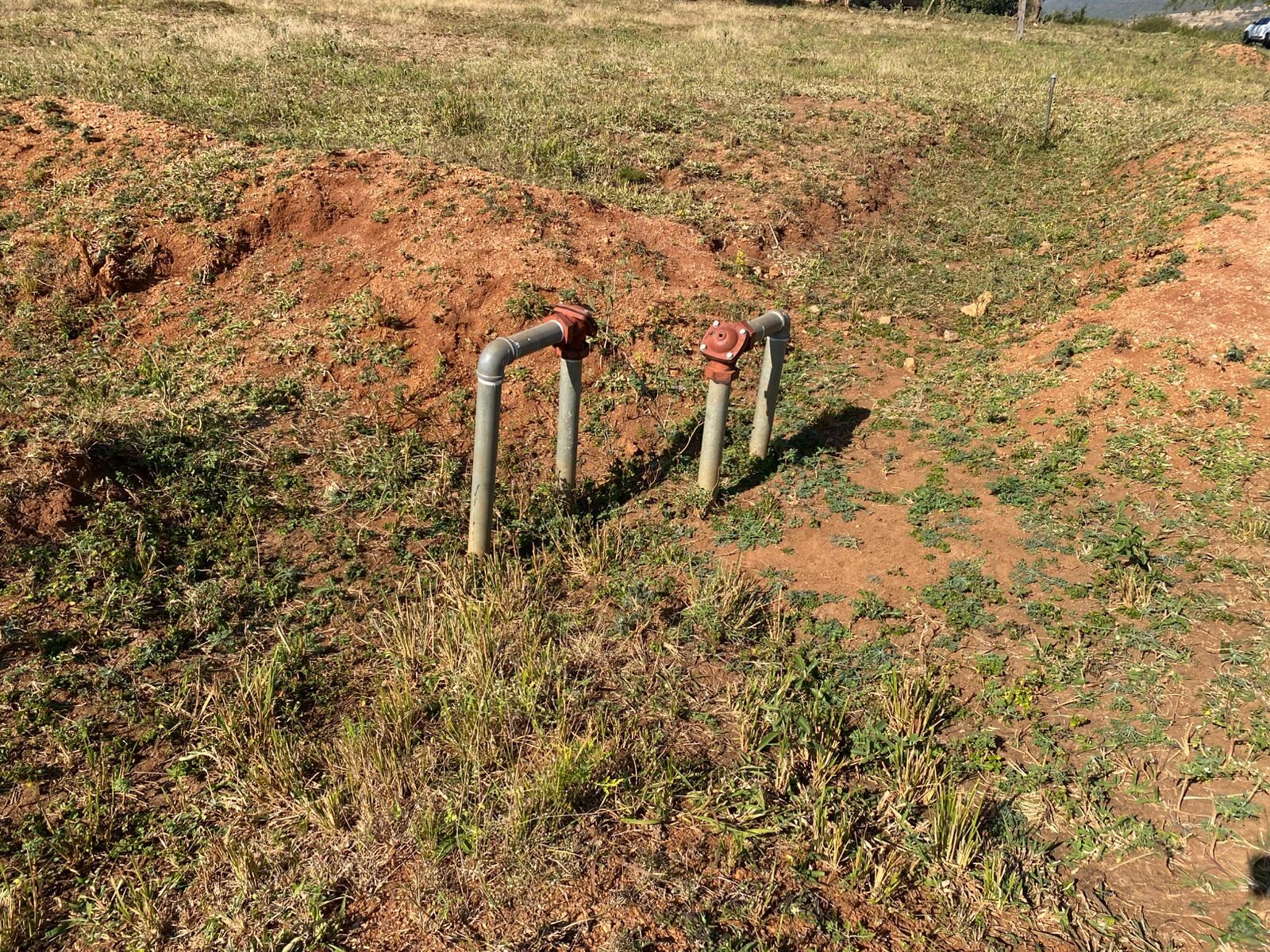
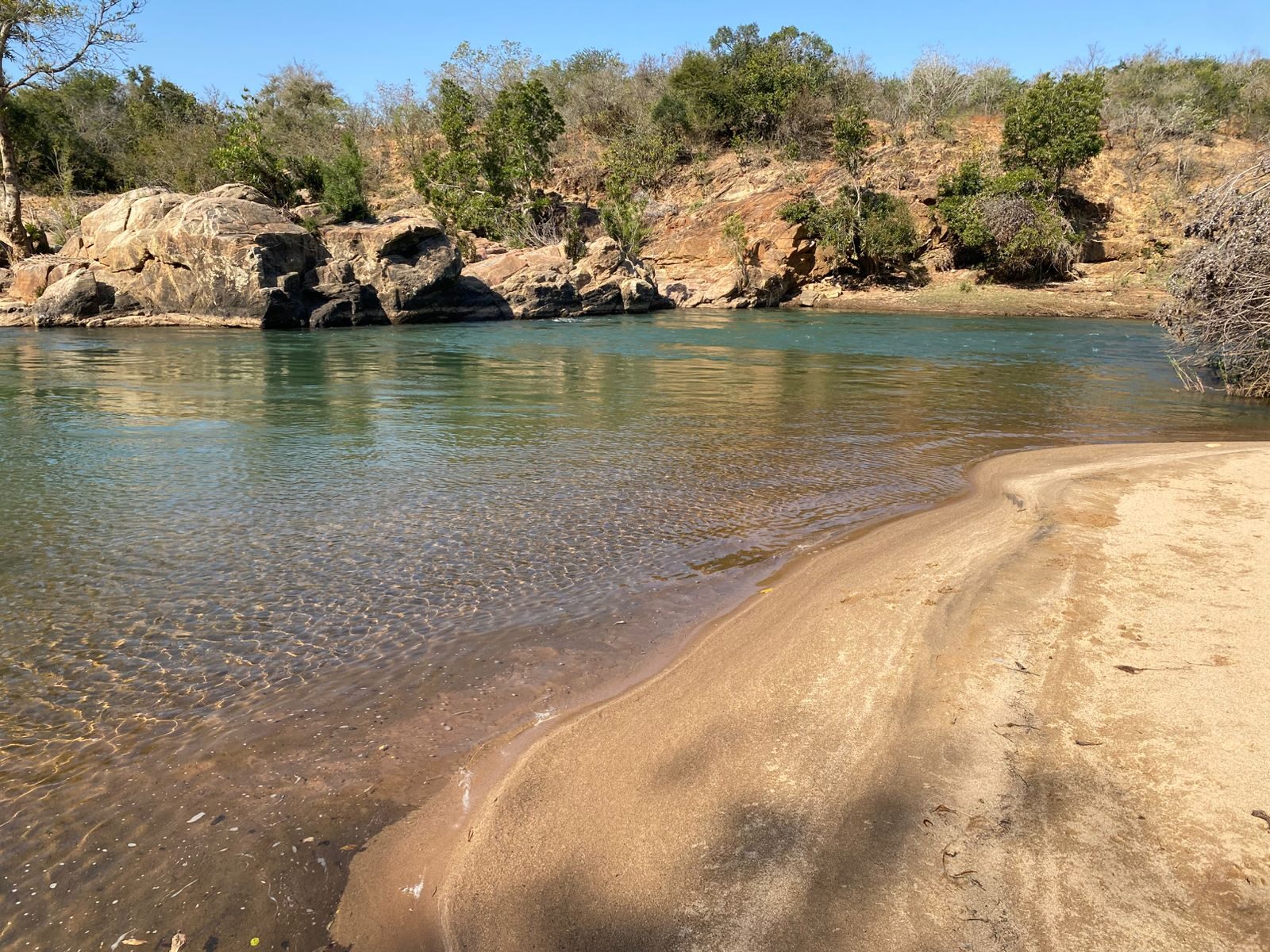
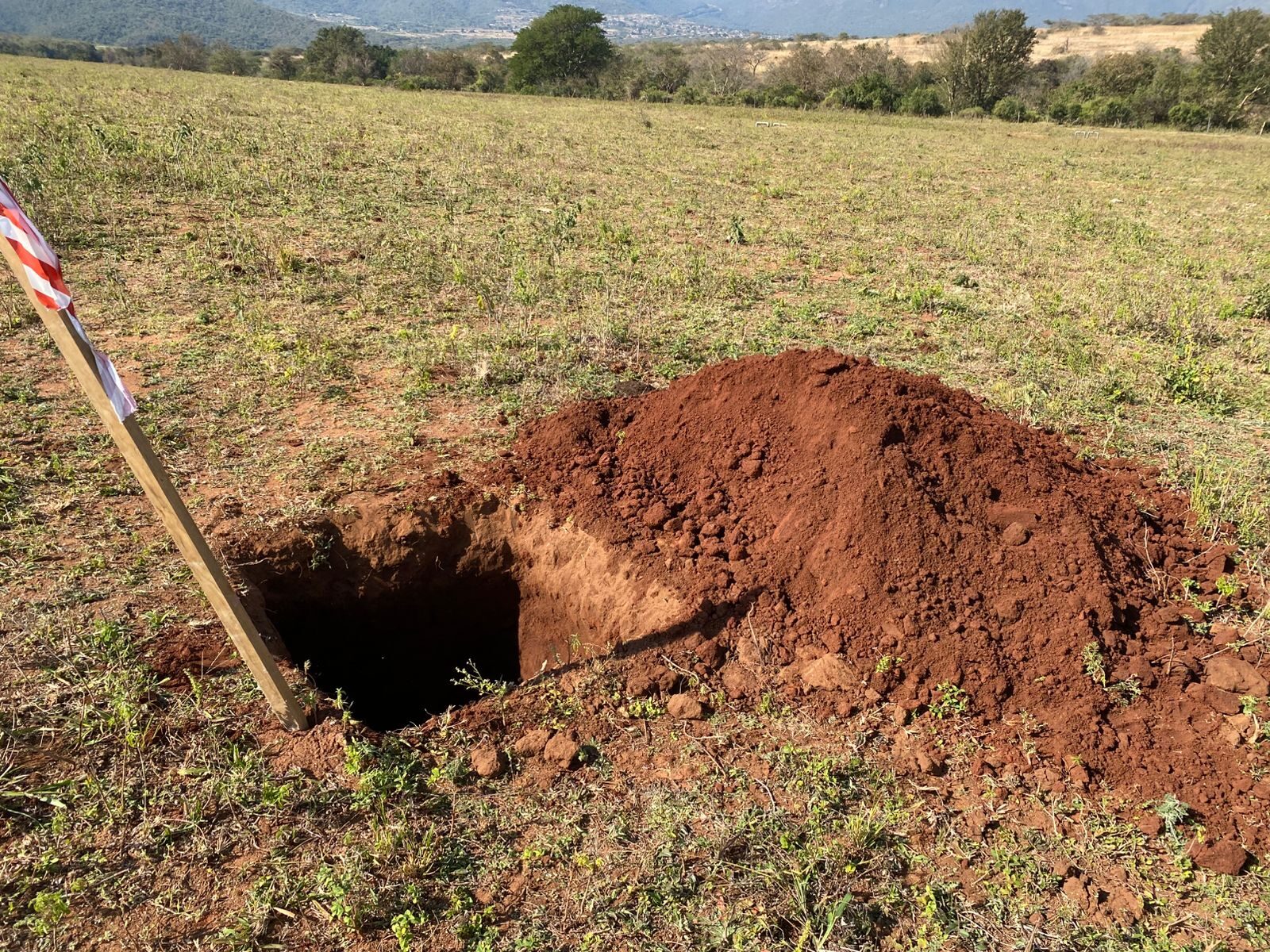
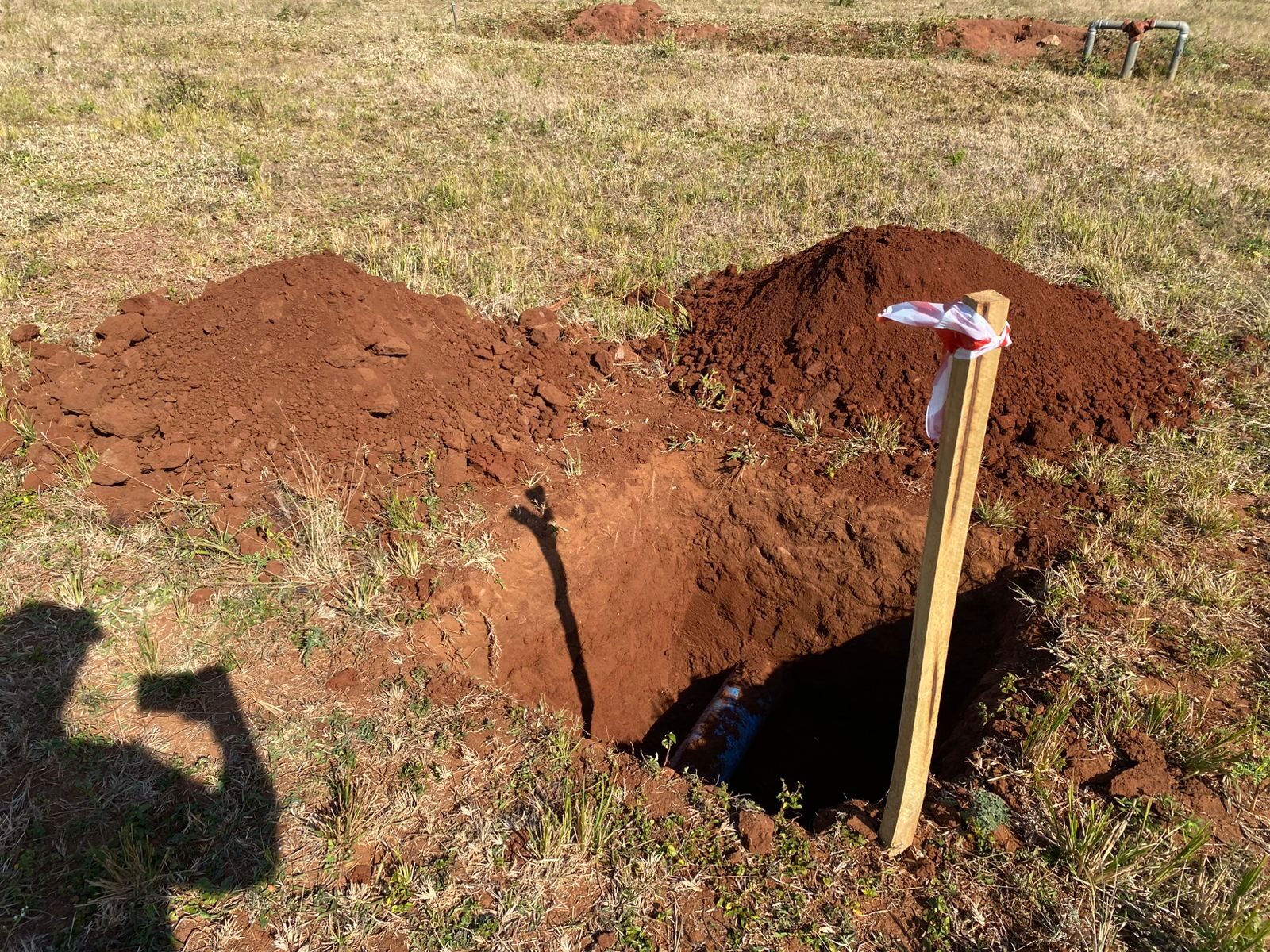
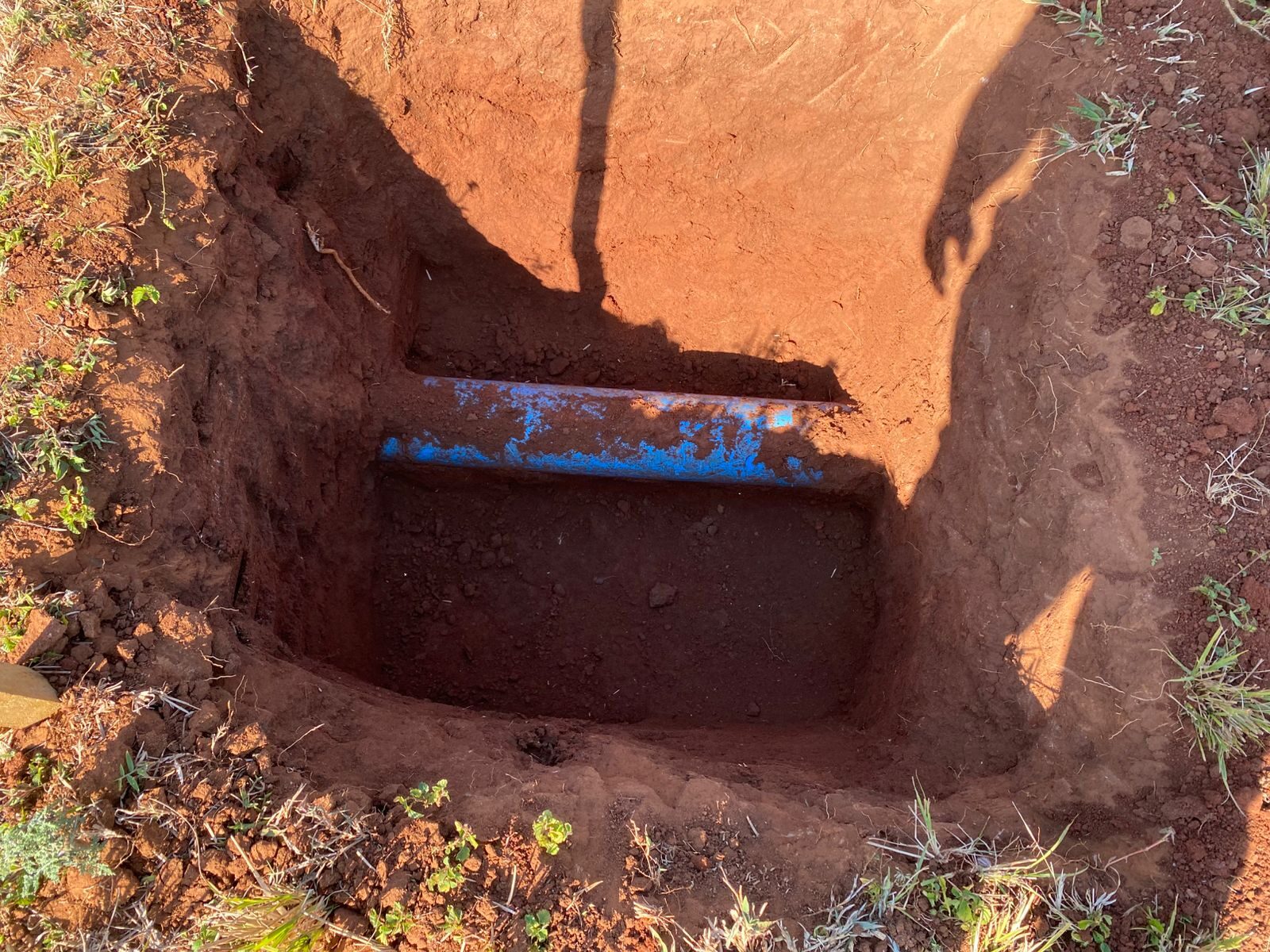
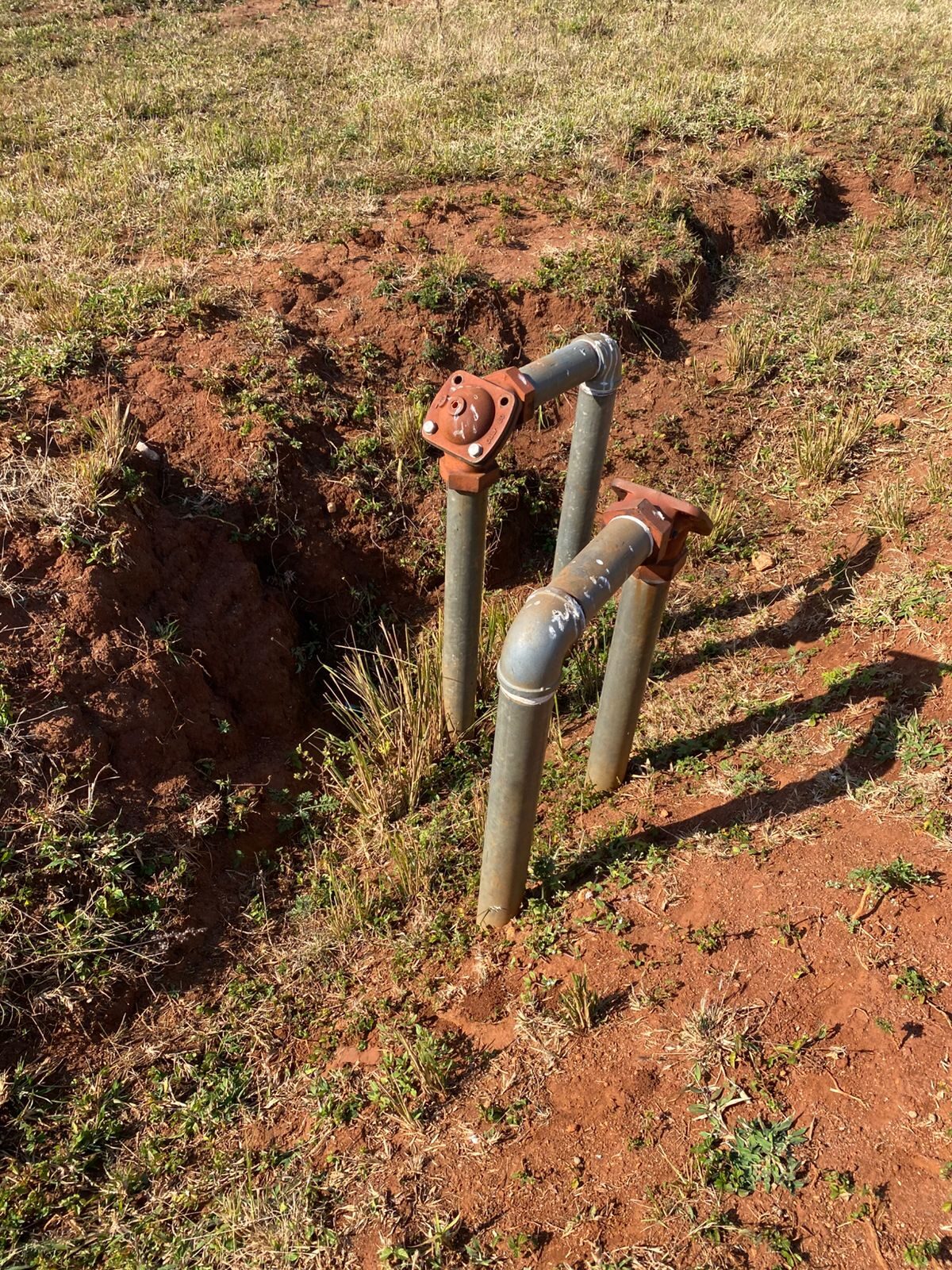
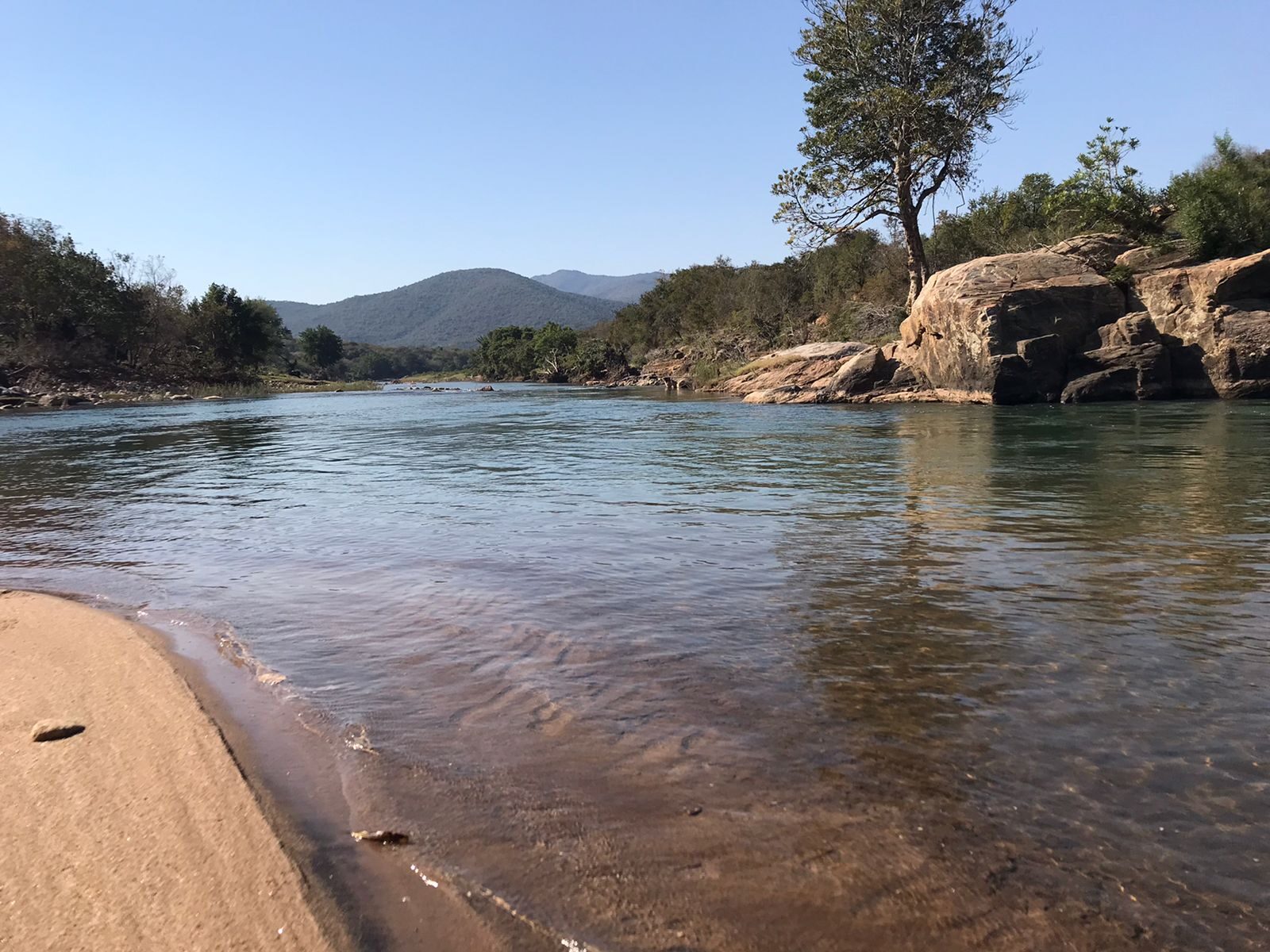
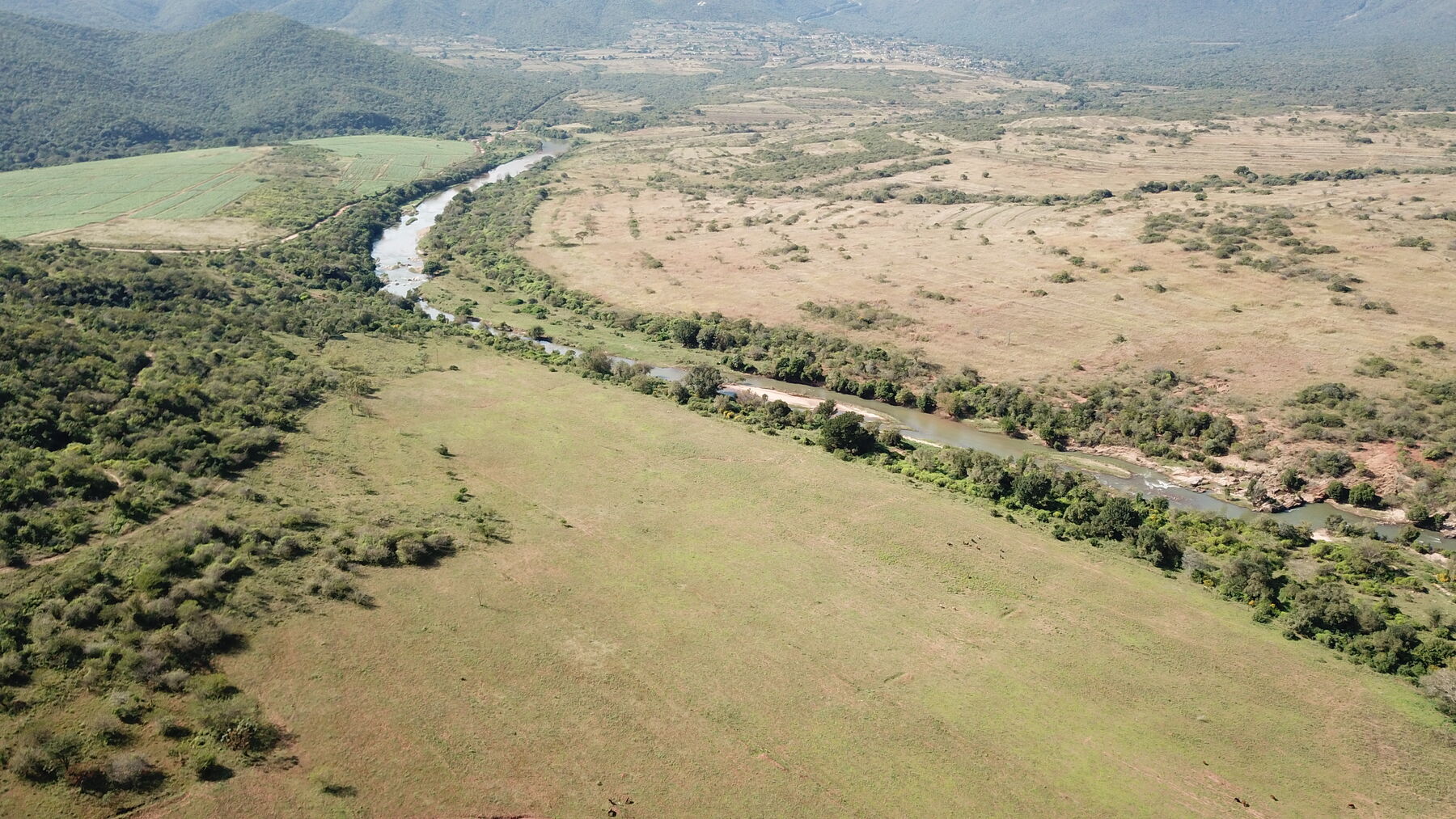
This field record follows the practical water system: the Mkhondvo River and intake area, existing channels, excavations, buried pipework and control valves positioned in the land. Together, the photographs show how a documented water resource becomes working infrastructure that can be measured, managed and connected to future planting blocks.

View archive images
Tracing water from river to field at Grand Valley Farm 588
10 photographs · 1 field video

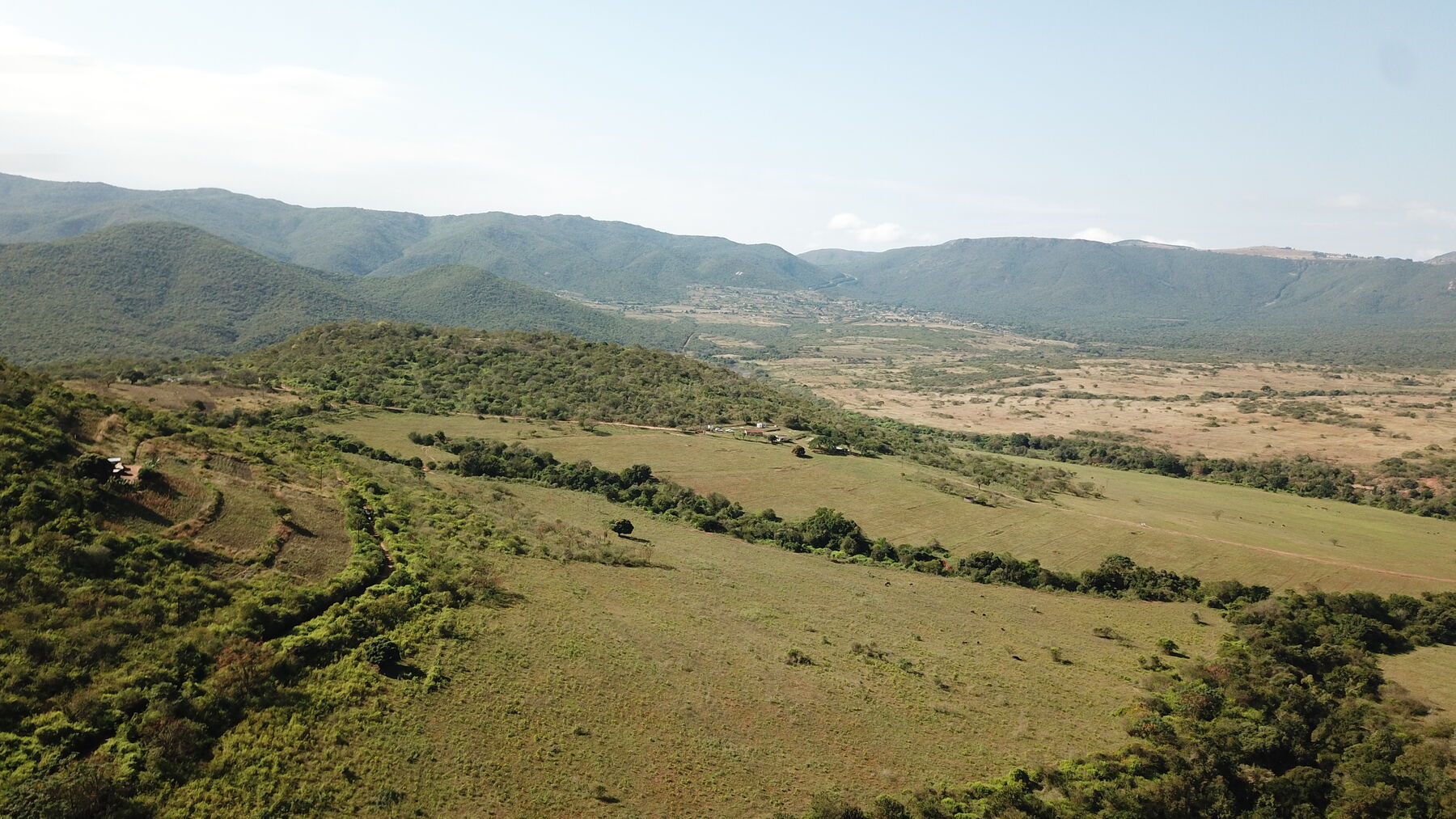
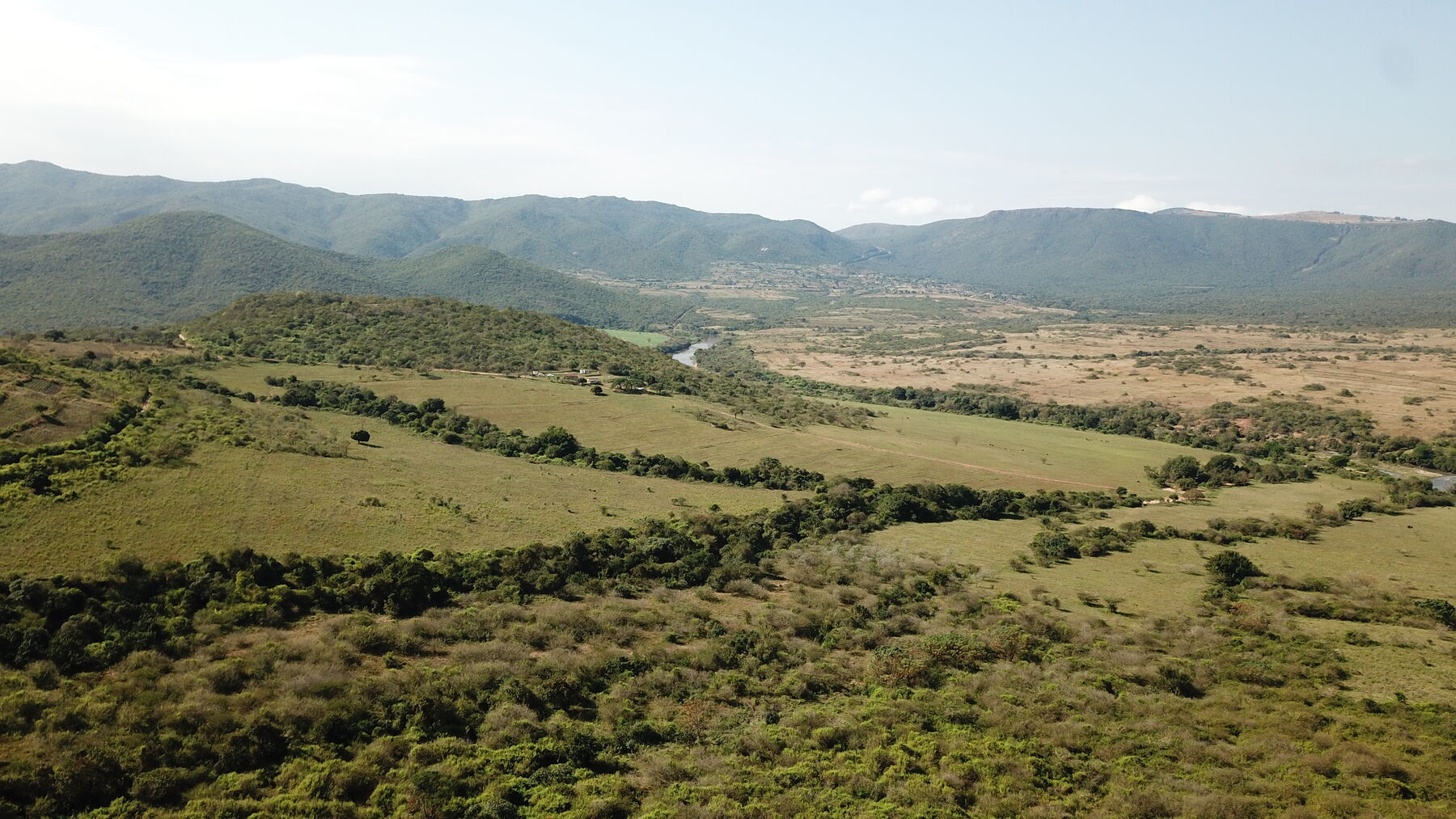
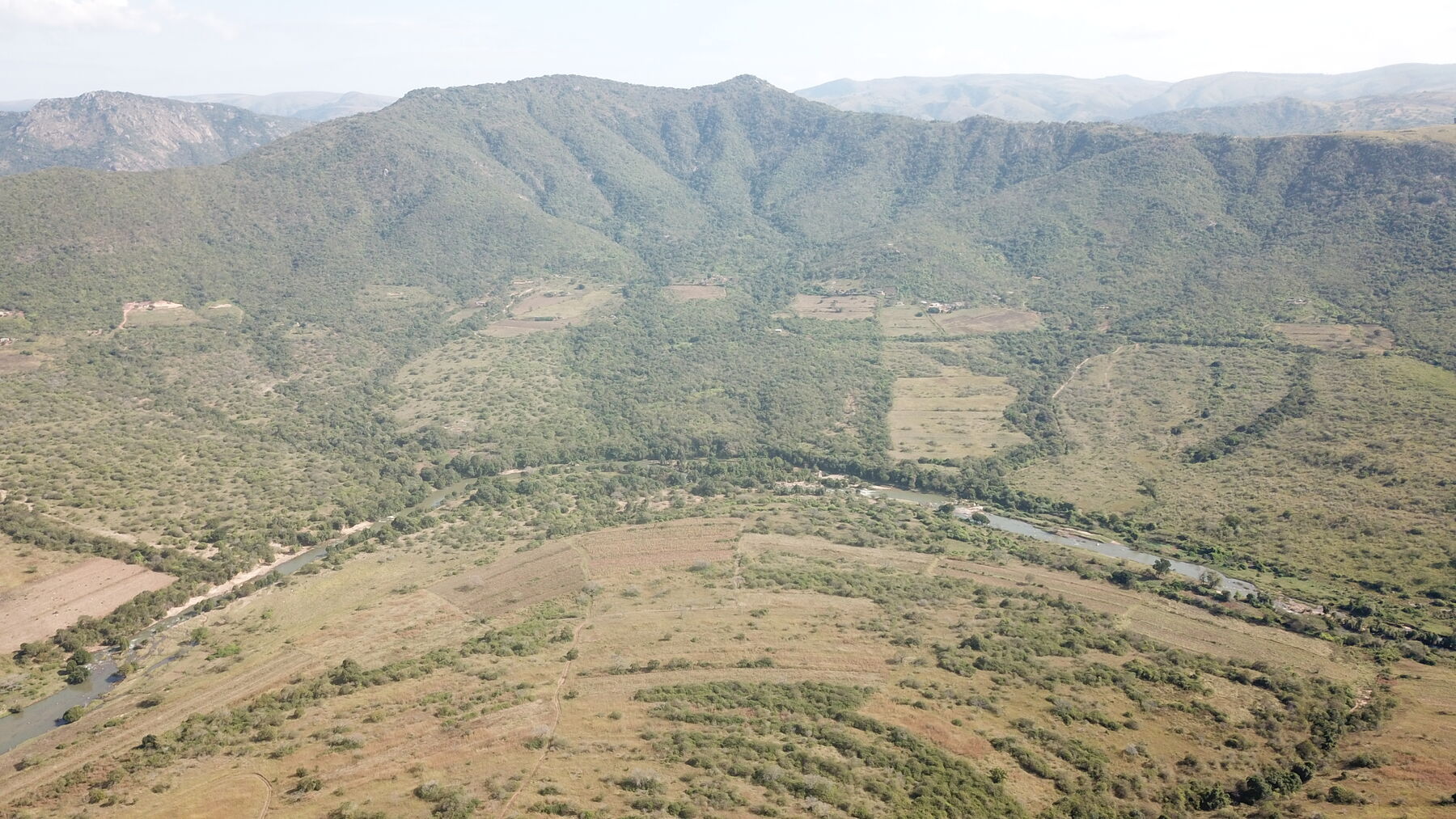
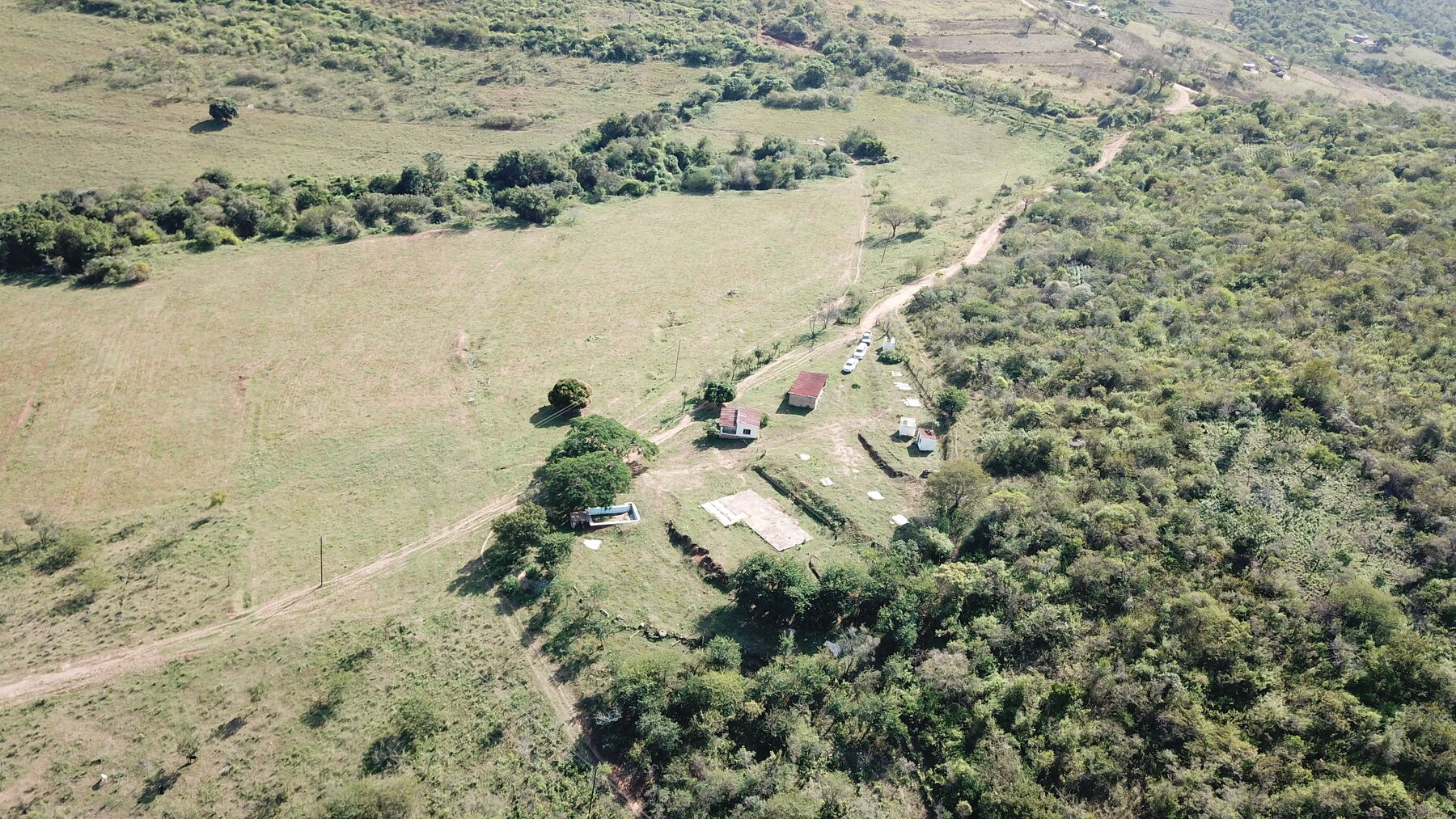
Reading Farm 588 from the air

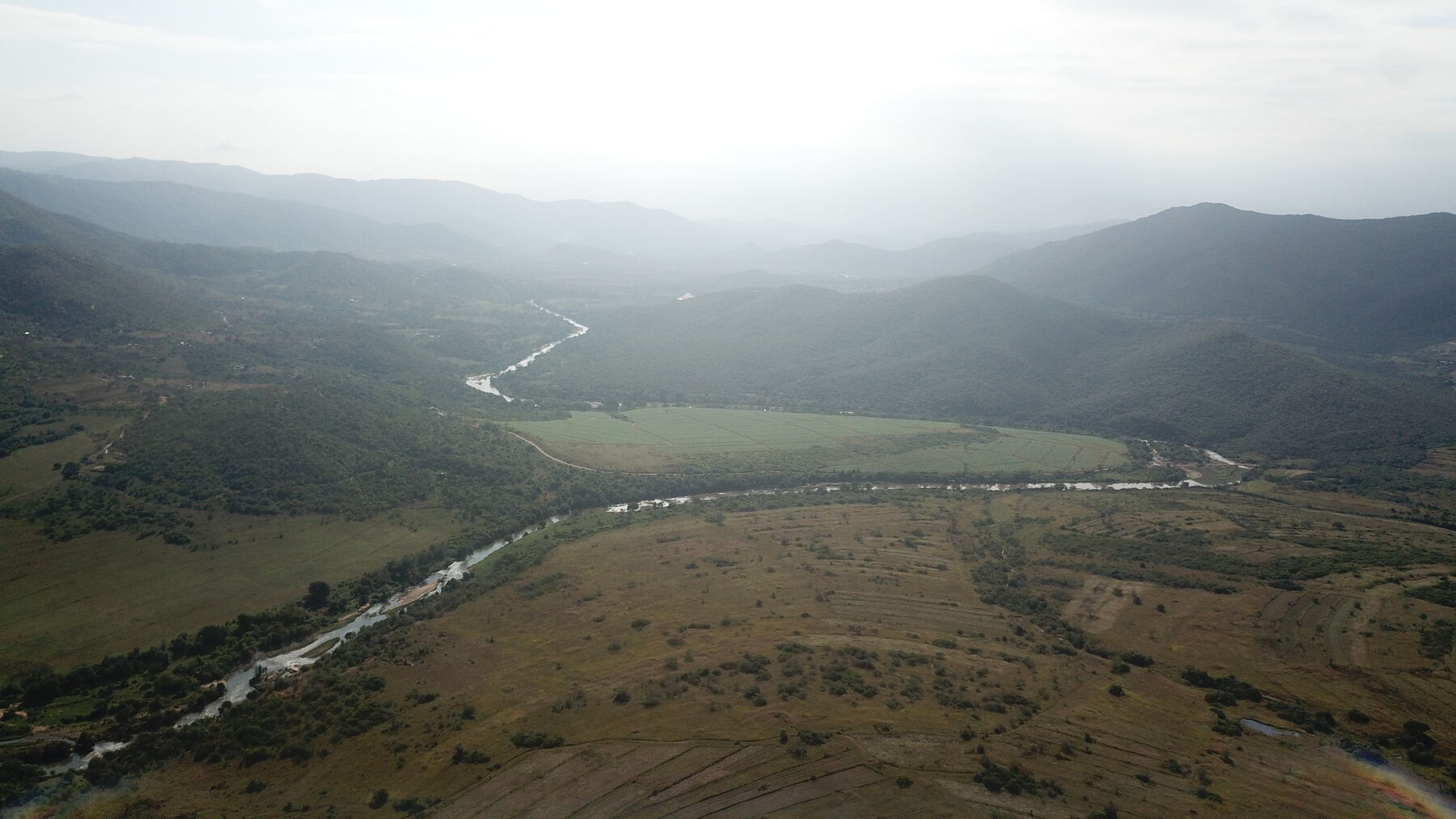
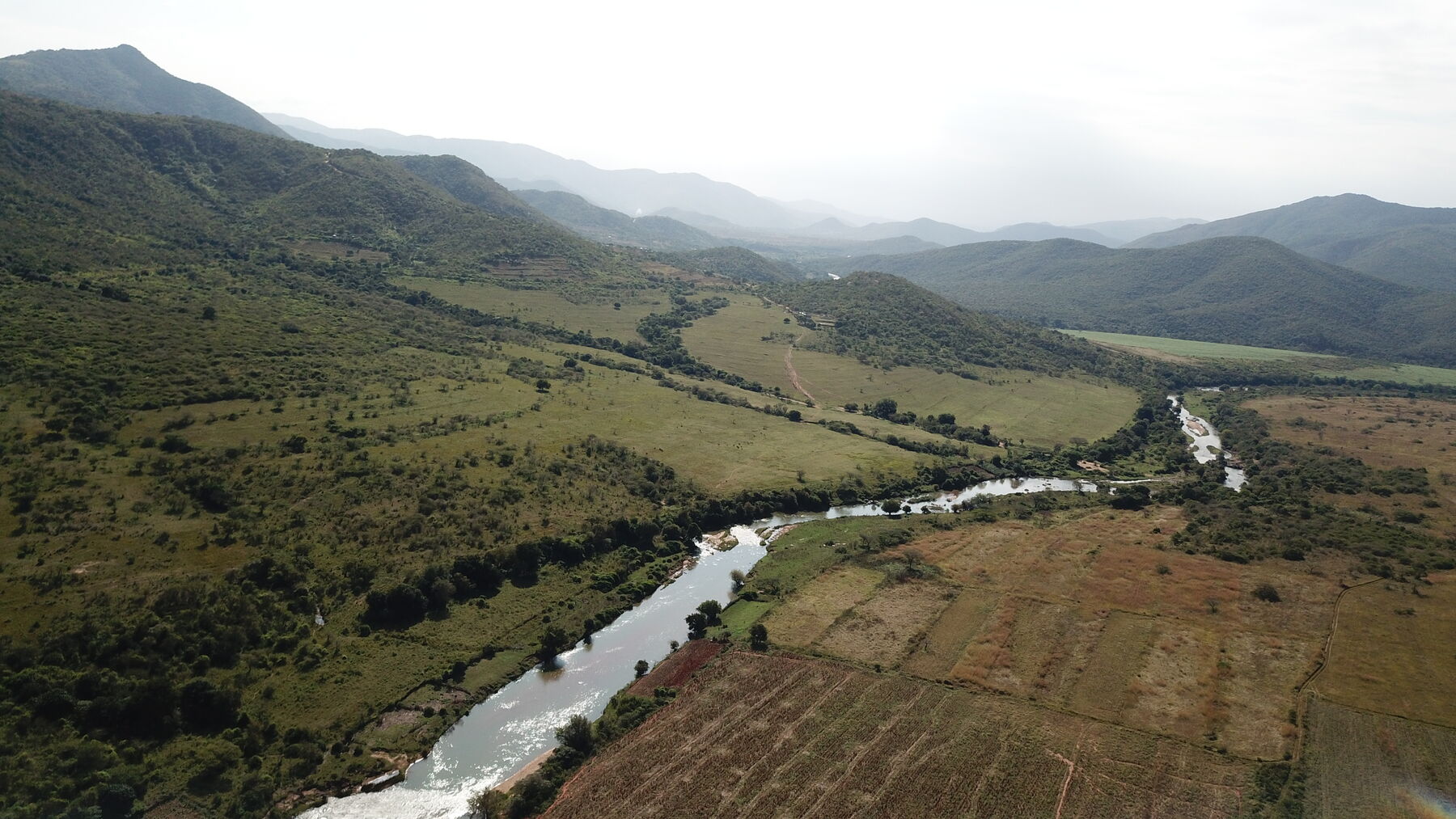
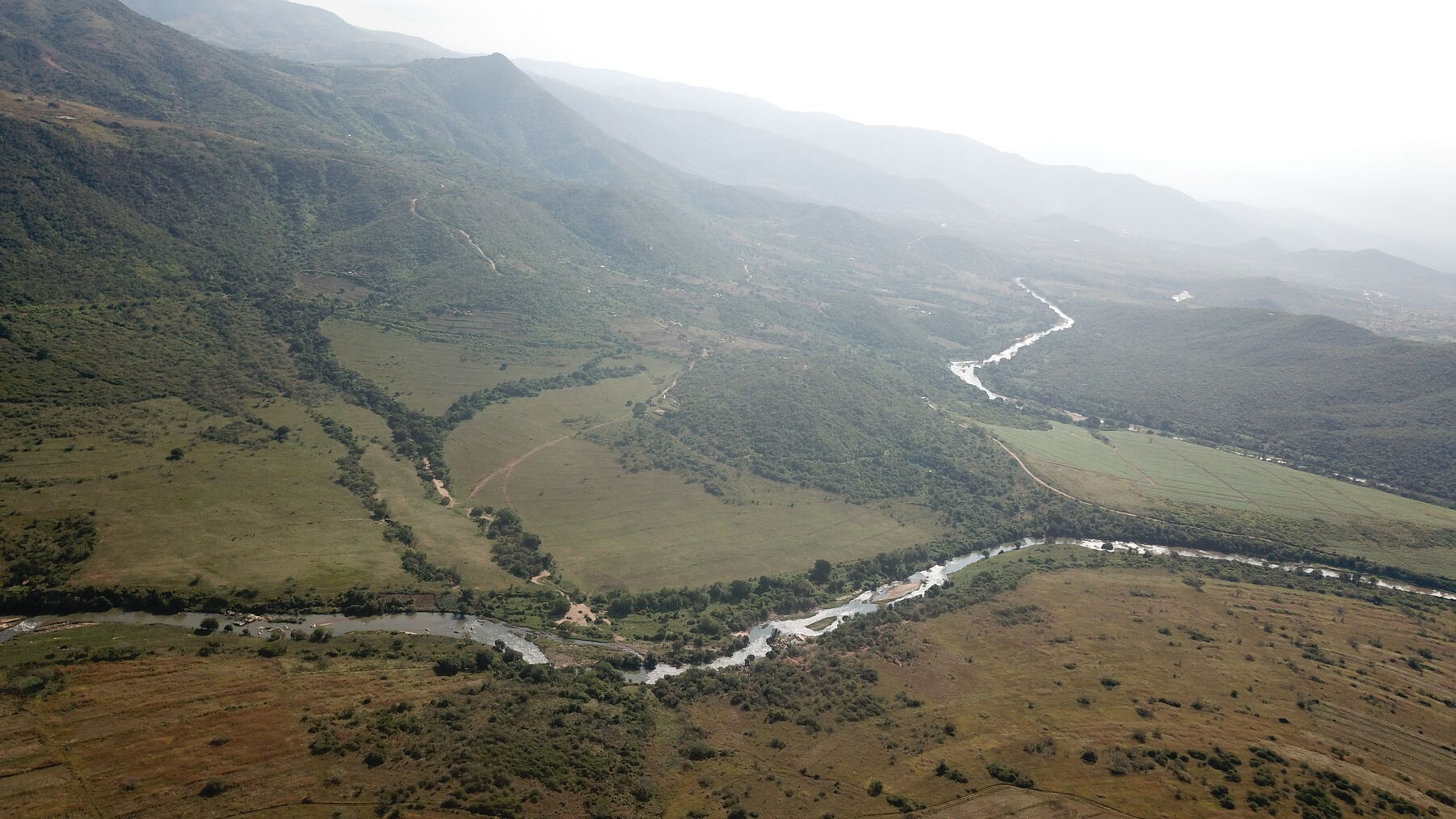
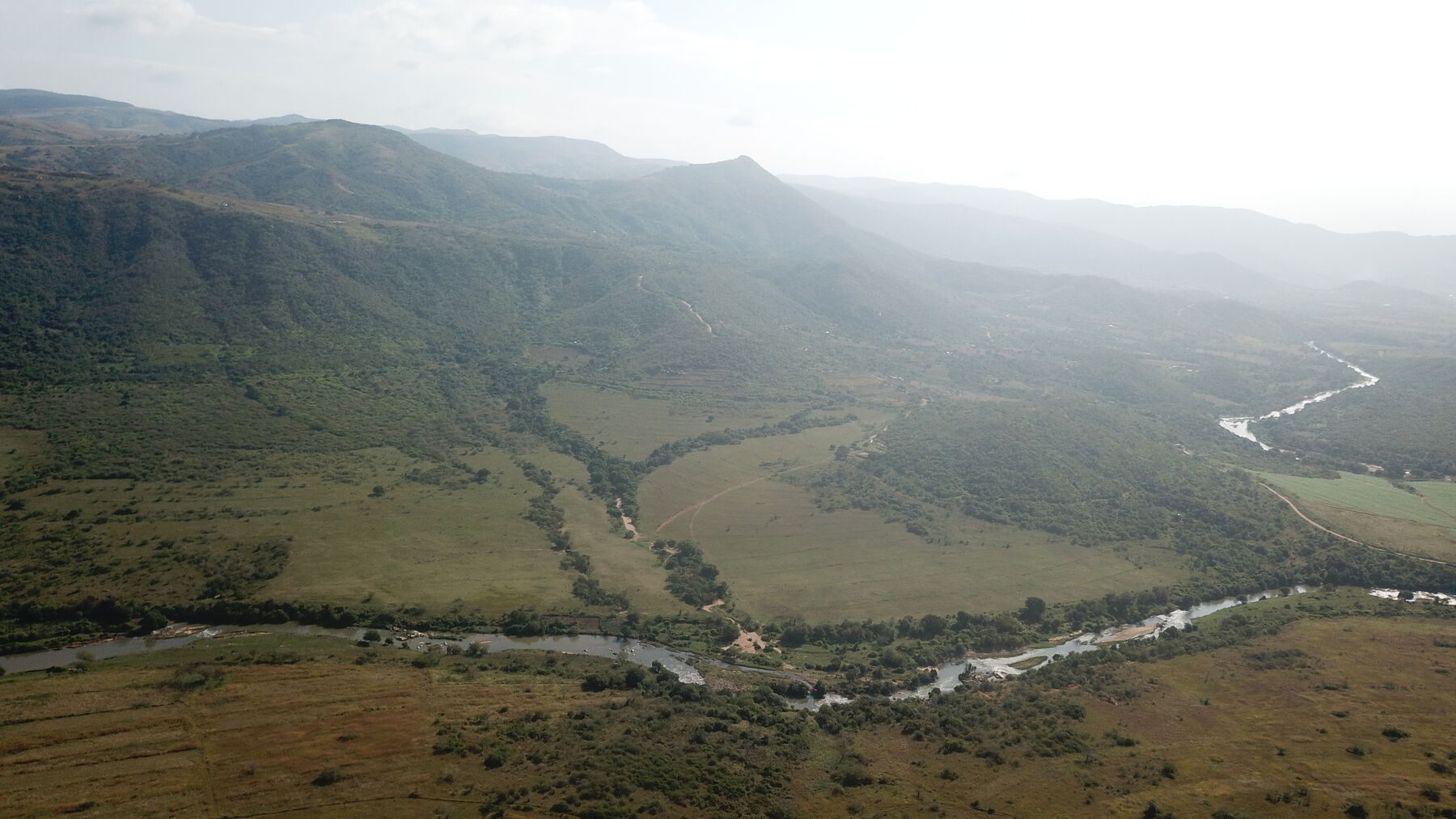
These early drone surveys establish the wider physical context of the project. The aerial record reveals the relationship between the river corridor, open ground, existing fields, access routes and the mountain terrain surrounding the valley—an essential planning perspective before detailed agricultural development begins.

View archive images
Reading Farm 588 from the air at Grand Valley Farm 588
15 photographs · 2 aerial films

Inside the process

Eleven moments
from the work.

Unscripted clips from the landscape, river, nursery and field: aerial surveys, water, propagation, Ellepot transfers, crop care and early planting.

01

Mkhondvo river corridor

An aerial flight following the river through the Grand Valley landscape.

02

The valley from above

A wide survey of open ground, existing fields and surrounding terrain.

03

The water resource

A field-level view of the Mkhondvo River serving Farm 588.

04

Nursery beds

Rows of young plants developing under protection.

05

Field planting

Moving young trees from the nursery into prepared ground.

06

Ellepot transfer I

A close view of the seedling transfer process.

07

Ellepot transfer II

Placing selected seedlings into individual cells.

08

Seed preparation

Coffee seed being handled before propagation.

09

Bed care

Managing the prepared propagation surface.

10

Nursery walkthrough

A wider look across established nursery stock.

11

Under the canopy

Healthy young coffee plants filling the protected space.